UK PM Burnham backs US Iran strikes as oil prices spike
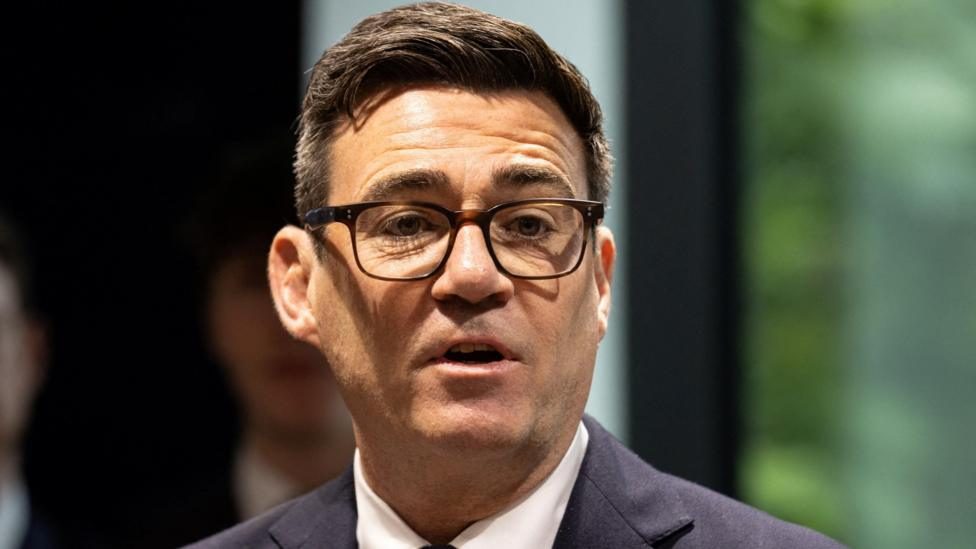
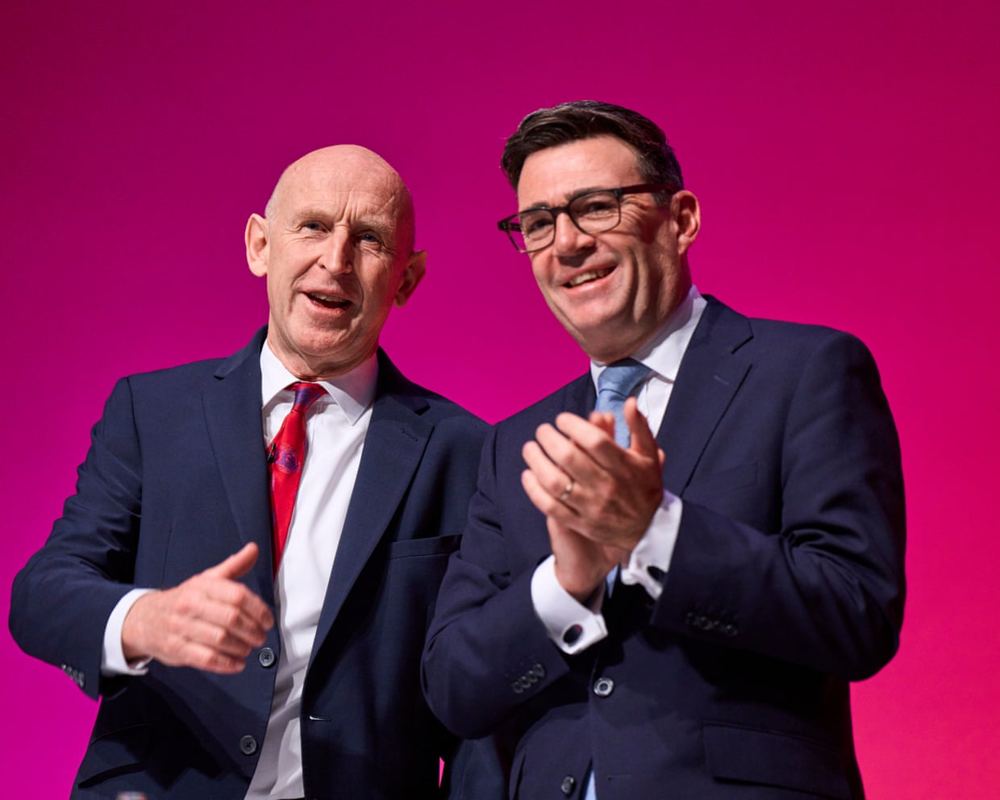
Andy Burnham has begun his UK premiership with a flurry of economic tweaks and a decision to allow US strikes on Iran from British soil, a move that has triggered a rise in oil prices and raised immediate questions about his mandate for broader reform.
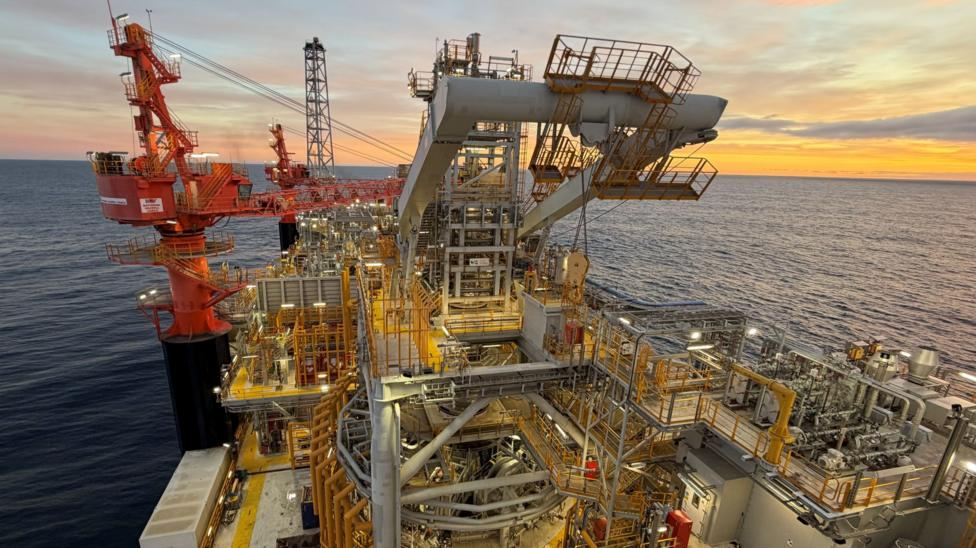
Andy Burnham replaced Keir Starmer as UK prime minister this week and immediately confronted a foreign policy crisis with direct implications for European energy markets. Burnham renewed America's permission to use British airbases for "defensive" strikes on Iran. Tehran has since claimed those bases are legitimate targets, contributing to a fresh spike in oil prices.
Domestically, the new leader has tried to project momentum through daily morning announcements. He has unveiled a VAT cut on electricity bills, changes to bus fares in England, and a reduction in business rates for some firms. "We are on borrowed time if we don't get a move on," Housing Secretary Angela Rayner told the BBC.
For businesses, the immediate rate cut offers relief, but it creates uncertainty about longer-term tax policy. Labour's previous manifesto promised to "replace the business rates system, so we can raise the same revenue but in a fairer way." It is unclear if Burnham still plans to execute that full overhaul.
The administration's broader economic agenda is already facing credibility tests. Rayner admitted that the target of building 1.5 million new homes in England by 2029 is "a difficult target." She also could not define the "post-war period" when asked to quantify Burnham's pledge of the largest council house building programme since that era.
Burnham is also restructuring government, establishing "No 10 North" in Manchester to decentralise power. He claims this marks "the biggest rebalancing of power our country has seen." Yet the practical authority of this northern hub is doubtful, as its permanent site is a building project not due to be finished until 2032.
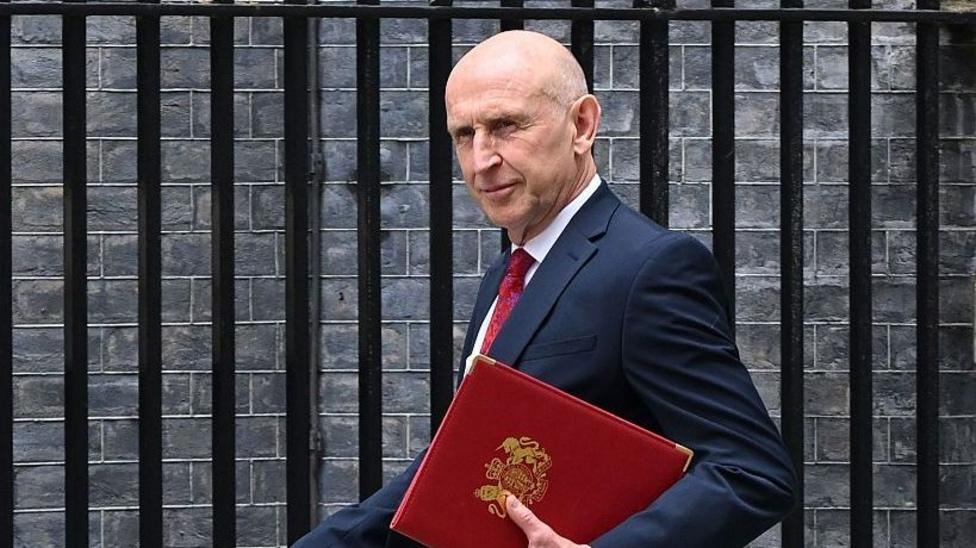
Tensions over fiscal priorities are also emerging within the cabinet. John Healey recently moved from defence secretary to chancellor, a role he took after arguing the Treasury did not adequately fund national security. How Healey balances the nation's finances against defence demands will be a central test of the new administration.
Ultimately, Burnham's ambition to build a "new economic model" is constrained by his lack of a personal electoral mandate. While he inherited a "colossal majority" from Starmer, critics question his authority to enact radical change. With three years until a mandatory election, Burnham may be tempted to seek his own mandate, particularly since opposition parties privately concede they are not ready for a vote.