Galicia's €213m AI rollout signals Europe's wildfire tech shift
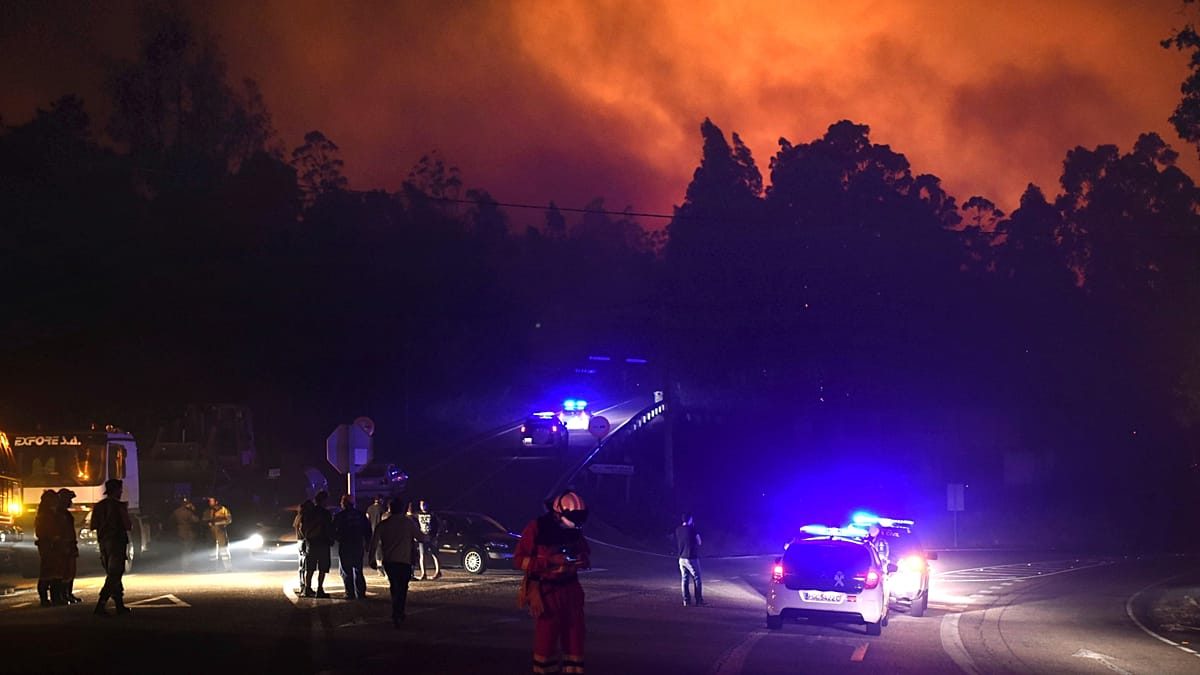
Galicia is investing €213 million in AI-powered detection to prevent a repeat of last year's devastating megafires, part of a wider southern European push creating new markets for satellite and machine-learning firms.
Galicia's regional government has activated an AI-driven wildfire detection network ahead of the high-risk summer season, backed by a €213 million investment. The system connects 241 ground cameras to convolutional neural networks capable of spotting smoke from up to 25 kilometres away. Technicians verify the automatic alerts before dispatching ground crews, aiming to cut detection times from hours to minutes.
The spending represents the region's largest fire prevention plan in history. Last summer, wildfires ravaged more than 118,000 hectares in Galicia, an area exceeding the size of Berlin, including the Larouco blaze, the largest in the region's recorded history. Regional president Alfonso Rueda said the upgrades were designed to "adapt to the new types of fires" of "enormous intensity" seen recently.
A growing market for European tech
Galicia's investment highlights a structural shift in how fire-prone southern European economies are allocating public funds. With an ageing rural population and widespread land abandonment exacerbating fire risks, authorities are moving away from relying solely on manual surveillance. The capital flowing into platforms like Galicia's Xeocode system points to a sustained procurement pipeline for machine-learning and optics companies.
Other European states are following suit, directly benefiting the continent's space-tech sector. Greece has become the first country to integrate a dedicated satellite constellation into its national firefighting infrastructure. German company OroraTech built the four nanosatellites involved, which scan Greece twice daily using thermal sensors to detect blazes as small as four metres across.
The commercial value of these systems lies in their precision. AI models are trained to discard false positives, such as sun-warmed rocks or overheated factory roofs, ensuring commanders receive actionable intelligence rather than raw data. Portugal is now adopting similar satellite-based detection systems after recording the largest cumulative burnt area of any European country over the past two decades.
The urgency for these technological upgrades is clear. The 2025 season was the most destructive on record for the EU, with more than 1,079,000 hectares burned across 25 member states. As climate-driven megafires become a recurring economic threat, the transition to AI-assisted detection is moving from experimental pilots to core public infrastructure.