Doubled job applications mask a growing AI skills mismatch
Applications per job have doubled since 2022, but outdated hiring and management structures mean companies are still struggling to find the right talent as AI reshapes the labour market.
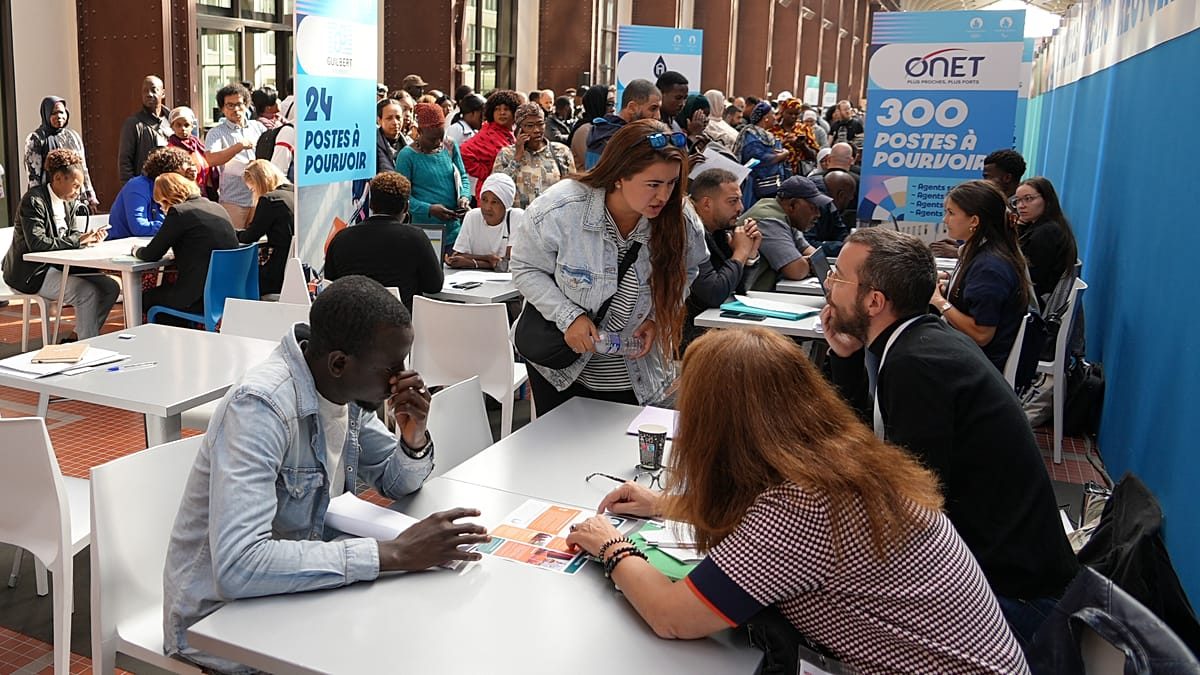
The number of applications per corporate role has roughly doubled since 2022. Despite this surge in candidates, two-thirds of recruiters report that finding qualified talent has become harder over the past year.
This paradox points to a structural failure in how companies source and manage workers, creating a drag on productivity. Artificial intelligence is rapidly altering the skills required in the modern economy, but businesses are largely sticking to antiquated hiring and organisational models.
Traditional recruitment continues to prioritise university pedigree, previous employers and personal networks rather than practical ability. Candidates remain over three times more likely to secure a role where they have an existing connection. This approach narrows the talent pool and systematically filters out capable workers whose skills do not fit a conventional CV.
The inefficiency extends well beyond the initial hiring phase. Most firms are simply bolting AI tools onto legacy hierarchies and established decision-making processes. Rather than transforming the business, this yields only a faster version of outdated workflows, leaving the fundamental structure of work untouched.
Corporate leaders are acutely aware of the friction. Six in ten say change is outpacing their organisation's ability to make decisions, leading them to simply do the wrong things faster. Half do not yet understand how AI will alter internal roles, while eight in ten report their own responsibilities are shifting in real time.
Resolving this bottleneck requires a fundamental shift in management priorities. As AI absorbs routine tasks, managers must spend less time monitoring output and more time fostering human judgement, creativity and empathy among their staff.
A few organisations are beginning to adapt their training accordingly. UNICEF UK, for instance, is using AI-powered coaching to help managers practise difficult workplace conversations through realistic scenarios and direct feedback. For the broader economy to avoid a prolonged skills shortage, companies must stop hiring for the labour market of the past and start rewarding actual skills over familiar career paths.