VW profit plunges on Chinese competition as historic job cuts loom
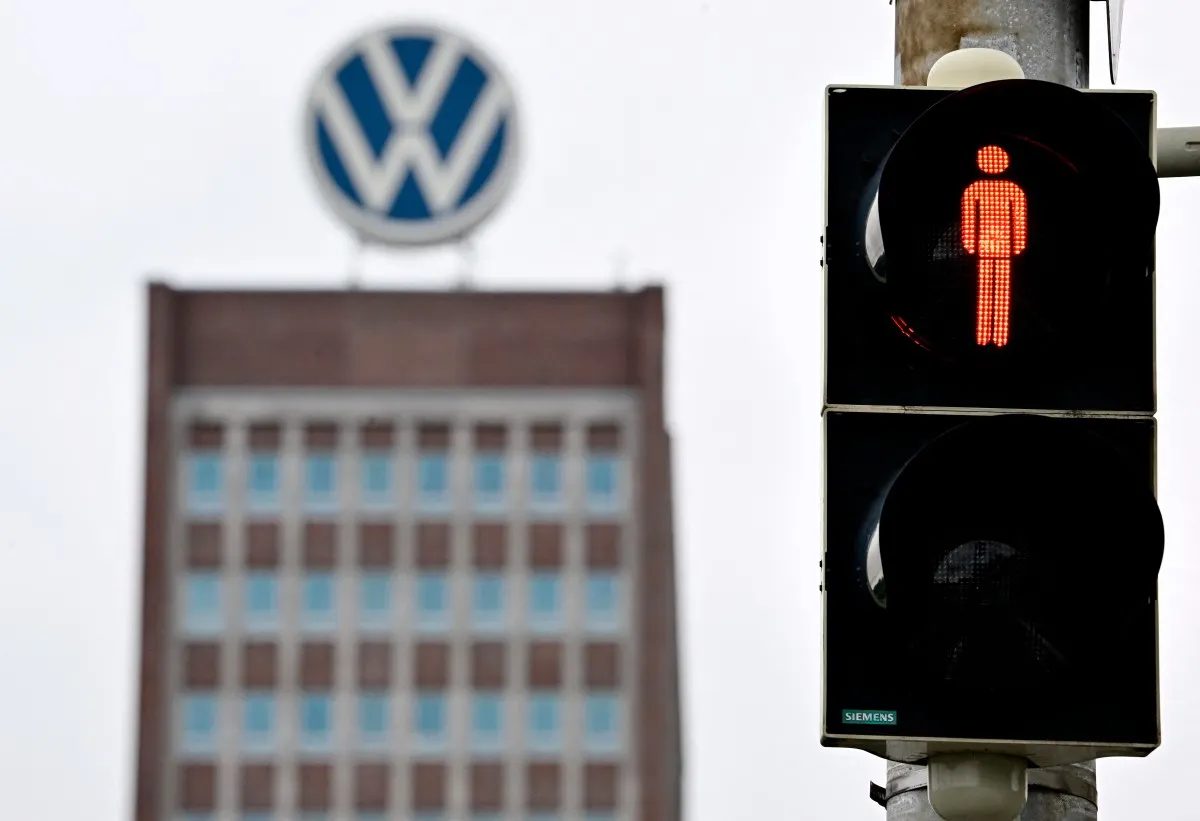
Volkswagen has slashed its annual sales forecast after a 33 percent drop in second-quarter profit, signalling that a historic restructuring involving tens of thousands of job cuts is inevitable as Chinese rivals erode Europe's auto industry.
Volkswagen reported a second-quarter net profit of €1.54 billion, a 32.9 percent decline from the same period last year. The 10-brand group immediately cut its full-year sales guidance, now projecting flat revenue or a decline of up to three percent, having previously forecast growth of up to three percent. Shares in Frankfurt fell 2.4 percent at the open before recovering slightly to trade 1.6 percent lower.
The results underscore a rapid shift in the European automotive landscape. Chinese brands such as BYD, Geely and Chery captured almost 11 percent of the European car market in May, up from roughly three percent just three years ago, according to Dataforce. This export drive is threatening the margins of established manufacturers on their home turf.
Like other German manufacturers, VW has lost ground heavily in the world's largest auto market. First-half deliveries in China plunged 31.6 percent, extending a slide that saw sales there fall to their lowest level since 2011 last year. The company blamed muted domestic demand and fierce local competition.
The quarterly earnings were also dragged down by operational issues. VW took a €500 million charge to halt US production of its electric ID.4. It also suffered from "negative mix effects," a term indicating a shift toward lower-margin products at a time when electric vehicle sales are already yielding slimmer returns.
Chief financial officer Arno Antlitz warned that a "fundamental change in our business model" was required. The company is now publicly weighing a potential 50,000 additional job cuts on top of the 50,000 departures already agreed across the group. If implemented, the total reduction would surpass the 50,000 cuts made by General Motors after its 2009 bankruptcy, marking the largest restructuring in automotive history.
Executing this turnaround will be difficult. Chief executive Oliver Blume has told staff that four plants could close, but labour representatives and the state of Lower Saxony, which holds 20 percent of voting rights and hosts six plants, control a majority on the supervisory board and oppose shutdowns. A 2024 deal with unions currently bans factory closures and compulsory redundancies until 2030. Blume noted it was "not realistic" to expect closures before the decade's end, but added: "It's too early to talk about employment guarantees."