Airbus faces US rival for £2.4bn UK satellite contract
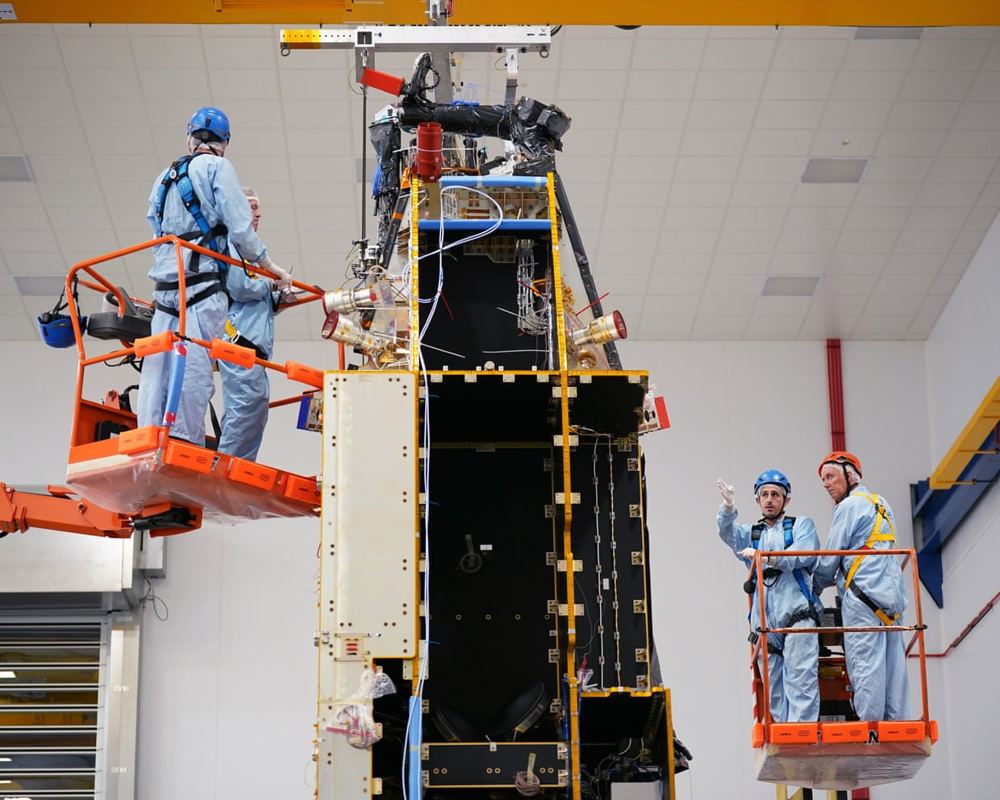
A £2.4bn UK military satellite contract has become a flashpoint for European industrial sovereignty as Airbus faces off against US rival Lockheed Martin.
The UK Ministry of Defence is pushing to decide by 1 August who will build its next-generation Skynet 6 wideband satellite system. The £2.4bn contract to construct two geostationary satellites for the military’s most sensitive data pits European manufacturer Airbus against American defence giant Lockheed Martin.
For European readers, the outcome carries weight beyond British borders. Airbus is headquartered in France but designs and builds these satellites in the UK. Industry insiders warn that losing the contract could force Airbus to move its satellite construction elsewhere, a threat that looms just as the company prepares to merge its space business with those of France’s Thales and Italy’s Leonardo.
Unite, a major union backer of the ruling Labour party, has urged Prime Minister Andy Burnham to choose Airbus. The union warned that awarding the contract to Lockheed would put around 600 existing jobs at risk in Stevenage and Portsmouth. Sharon Graham, Unite’s general secretary, said handing the British space sector to the US would be a “massive mistake, industrially and politically.”
Lockheed Martin has countered with promises of new employment, pledging roughly 500 direct jobs in north-east England and 1,500 more in the supply chain. The American firm argues its system offers better integration with the US military and stronger export potential. Rod Drury, Lockheed’s vice-president for global business, said the company's UK initiatives are "delivered predominantly through UK-based staff, leveraging the best of US-based tech and capabilities."
The dispute centres on intellectual property and supply chain control. Critics of the US bid warn it would replace British technology with American systems, effectively ending the UK's ability to export its own satellite tech. Airbus and its predecessors have built the UK’s military satellites for decades. Kevin Bonavia, the Labour MP for Stevenage, called the contract an opportunity for the new government to back "sovereign capabilities" and protect what he termed a "crown jewel" of defence manufacturing.
The decision will test how Burnham and Defence Secretary Wes Streeting balance pledges to back domestic industry against pressure from Donald Trump’s administration to buy American military hardware.