Unesco adds occupied Crimean ancient city to world heritage danger list
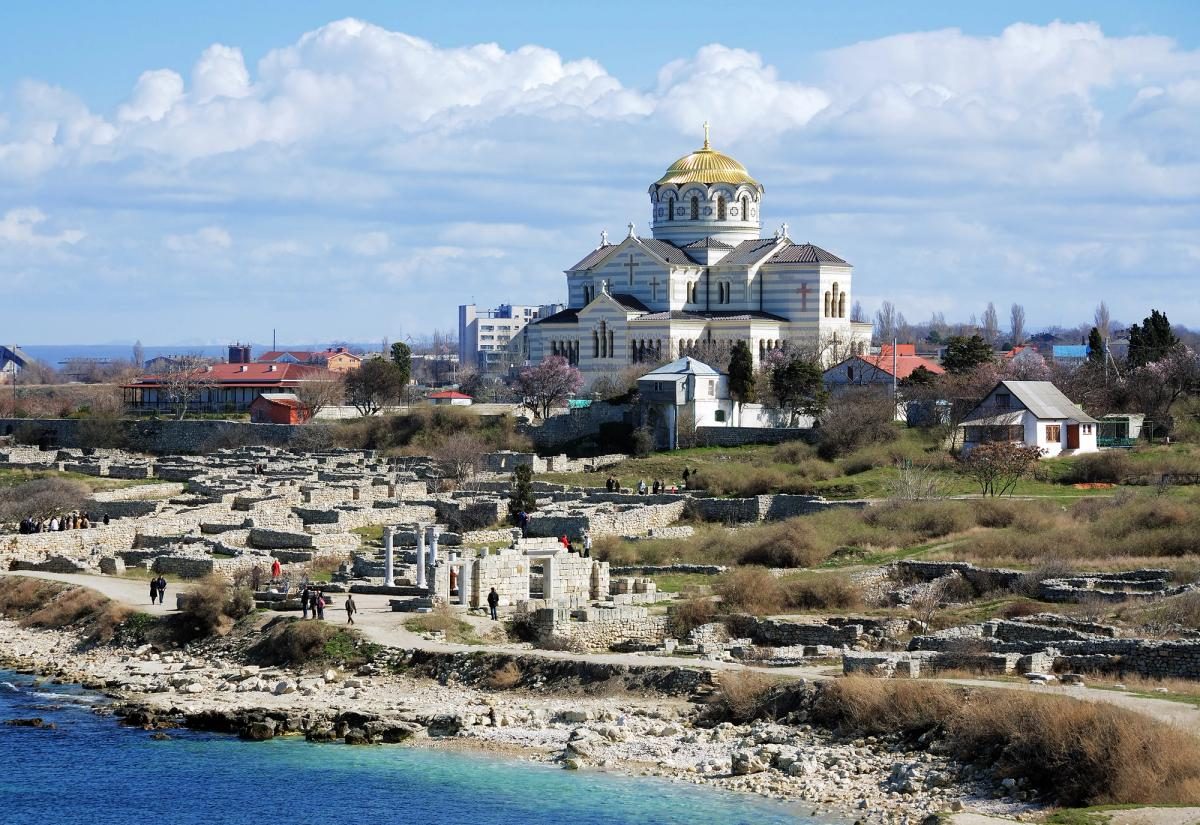
The addition of Tauric Chersonese to the endangered list highlights the systemic destruction of cultural sites in occupied territories and exposes the limitations of international heritage conventions during wartime.
The World Heritage Committee has placed the ancient Greek city of Tauric Chersonese on its list of sites in danger. The 48th session of the committee, currently meeting in Busan, South Korea, made the decision on 22 July regarding the fifth-century BC settlement located in Russian-occupied Crimea.
This designation underscores the economic and infrastructural shifts occurring under occupation. A 2026 report by the National Commission of Ukraine to Unesco notes that the site is now directed by a foundation linked to the Russian Orthodox Church instead of professional conservators. This governance change prioritises tourism infrastructure and military events over actual conservation efforts.
Tikhon Shevkunov, a senior cleric appointed by Vladimir Putin, currently runs the location. Dmytro Lubinets, the Ukrainian human rights commissioner, warned the United Nations in July 2024 that the Russians have "completely destroyed the authentic monument" and are "actually building a new city, the so-called historical and archaeological park".
The decision also exposes structural flaws in international heritage frameworks, according to Ukrainian MP Yevheniya Kravchuk. She noted the "irrelevance of the 1972 [World Heritage Convention]" during conflicts, arguing the rules fail to address threats introduced by an occupying aggressor rather than the host state. Kravchuk insists the international community must rethink the consequences of these listings.
Ukrainian culture minister Tetyana Berezhna called the move an "extremely important international decision". She stated it officially confirms the threats posed by illegal excavations, construction, and the removal of cultural values during the temporary occupation. Berezhna also urged the protection of other Crimean locations, including the Khan’s Palace in Bakhchisarai.
Tauric Chersonese joins three other Ukrainian sites already on the endangered list due to the "ongoing armed aggression of the Russian Federation". These include the historic centres of Lviv and Odesa, alongside the Saint Sophia Cathedral and Kyiv Pechersk Lavra, both of which have sustained damage from Russian strikes.
Rinat Alyautdinov, Russia's permanent delegate to Unesco, dismissed the ruling as "yet another example of the politicization of the committee's work." He claimed "Russia strictly fulfills its obligations" and argued that any threats actually stem from fragments of Ukrainian weaponry.
The heritage ruling coincides with broader institutional and financial pushback against Russian cultural participation. The Venice Biennale recently cut a €2m grant that had allowed Russia to participate, reflecting a wider European effort to isolate Moscow across cultural and economic spheres.