Polish opposition splits as Morawiecki bloc rejects loyalty oath
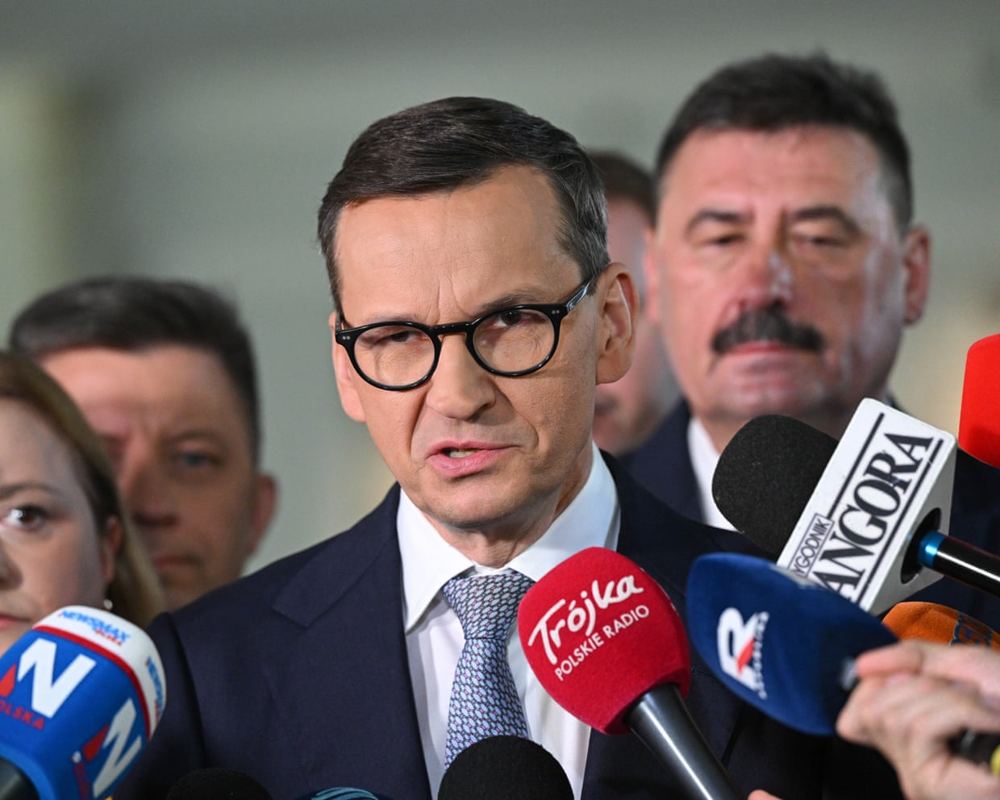
The fracturing of Poland's main opposition party weakens the right's electoral prospects and secures the pro-European government's legislative position, reducing the risk of policy instability for investors before the 2027 elections.
Mateusz Morawiecki and 40 lawmakers have been forced out of Poland's Law and Justice (PiS) party after refusing to sign a loyalty oath demanded by leader Jarosław Kaczyński. The former prime minister's departure, alongside three members of the European Parliament and one senator, fractures the country's main opposition just three years before the next scheduled election.
Kaczyński declared that anyone who failed to sign the pledge by Thursday's midnight deadline had effectively resigned. “Everyone knew what they were signing, and at the same time everyone knew what the consequences of not signing would be … it’s all done,” Kaczyński said.
The schism was driven by fundamental disagreements over the party's economic direction and electoral strategy. In April, Morawiecki established a growth-oriented policy group intended to broaden PiS's appeal to centre-right voters and entrepreneurs. He argued the party needed a “strategy of two lungs” to mobilise younger voters and win the 2027 parliamentary election.
This attempt to modernise the party's platform was rejected by Kaczyński's inner circle. They questioned Morawiecki's loyalty as PiS doubled down on its traditional, older nationalist base amid rising competition from libertarian and far-right splinter groups.
The immediate political consequence is that PiS is almost certain to lose its status as the largest single party in the Polish parliament. Since losing power to Donald Tusk's pro-European coalition in 2023, PiS had relied on that plurality to anchor its opposition.
For markets and investors, a fragmented right-wing opposition strengthens the governing coalition's legislative stability. Tusk's government has focused on restoring rule-of-law guarantees and repairing relations with the European Union, steps crucial to unlocking billions in frozen EU funds. The opposition split reduces the likelihood of a return to the confrontational economic policies that marked Morawiecki's 2017-2023 premiership, a period criticised for democratic backsliding and bitter disputes with Brussels.
Morawiecki remains a prominent figure on the European stage, currently leading the European Conservatives and Reformists group in the European Parliament alongside Giorgia Meloni's Brothers of Italy. However, his domestic standing is complicated by his association with the previous administration's conflicts.
Hypothetical polls suggest a new Morawiecki-led party could secure about 6% of the vote. While he blamed a circle of “plotters” around Kaczyński for the crisis, he declined to confirm if the splinter group would formally register as a new party, instead urging PiS leaders to “take a step back”.