Edinburgh venue to trial seated-only zones after David Byrne gig backlash
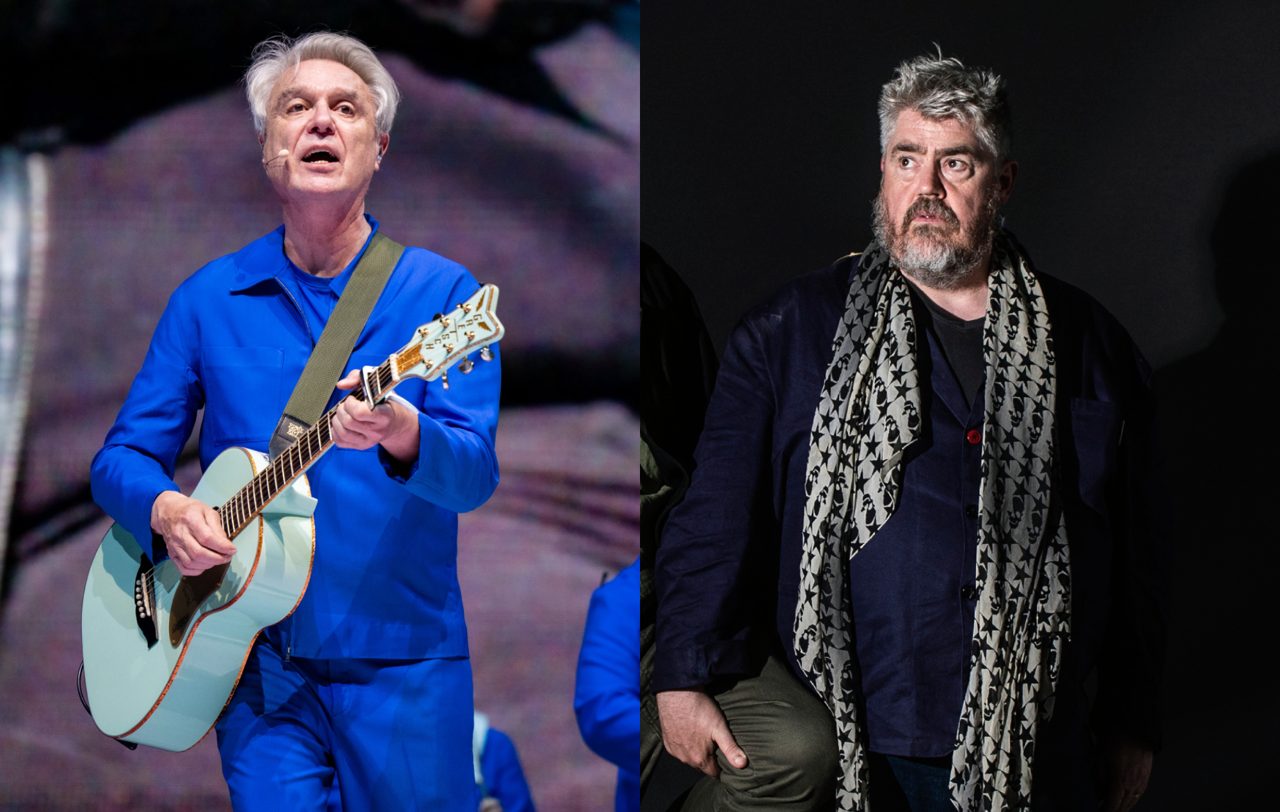
A complaint from comedian Phill Jupitus about standing crowds blocking disabled views at a David Byrne concert has pushed a major Scottish venue to rethink its accessibility seating policies.
Comedian Phill Jupitus has accused David Byrne of disregarding disabled fans after standing crowds blocked views at a recent Edinburgh Playhouse concert. The public complaint has now prompted the venue to announce a review of its accessibility policies for live events.
Byrne played three consecutive nights at the 3,059-capacity seated theatre ahead of his bill-topping slot at Latitude 2026. Before the curtain rose on the final show on June 22, a pre-recorded announcement from Byrne told fans they could dance but must be respectful of those around them.
Jupitus, who cannot stand for long periods due to a leg condition, paid £135 for a ticket but lost his view when the crowd stood by the third song. “David Byrne effectively shat on a minority last night,” Jupitus wrote on Instagram. “He might as well have said ‘Hey disabled people in the stalls, suck it!’ He needs to make up his mind whether he’s doing a theatre show or a rock show.”
Jupitus contrasted the experience with seeing Byrne at the OVO Hydro arena in Glasgow in 2018, which he described as an “absolutely fantastic gig”. He argued that if Byrne wanted a standing crowd, he should “play fucking Barrowlands or the Hydro” rather than a traditional seated theatre. He added that he would rather have “given £270 to a band who needed the money”.
The incident highlights a structural tension in the live music industry, where visually complex shows are booked into seated venues while artists still encourage audiences to dance. Jupitus noted that Byrne’s current tour is a “very tightly choreographed, incredibly visually precise and beautiful show,” making the obstructed view particularly damaging to the experience.
Gordon Millar, Theatre Director for the Edinburgh Playhouse, said the venue recognises that dancing at gigs has a negative impact on some attendees. He stated the venue takes its responsibilities under the Equality Act seriously and always considers whether adjustments can be made for audience members with access needs.
However, Millar noted that enforcing a seated-only policy en masse is difficult without causing safety concerns. As a solution, he said the venue is now exploring a model to allocate a specific portion of seats as strictly seated-only, positioned without seats directly in front of them. Representatives for Byrne and promoter Live Nation UK have been contacted for comment.