Wildfire evacuations and transboundary smoke raise health and adaptation costs in Europe
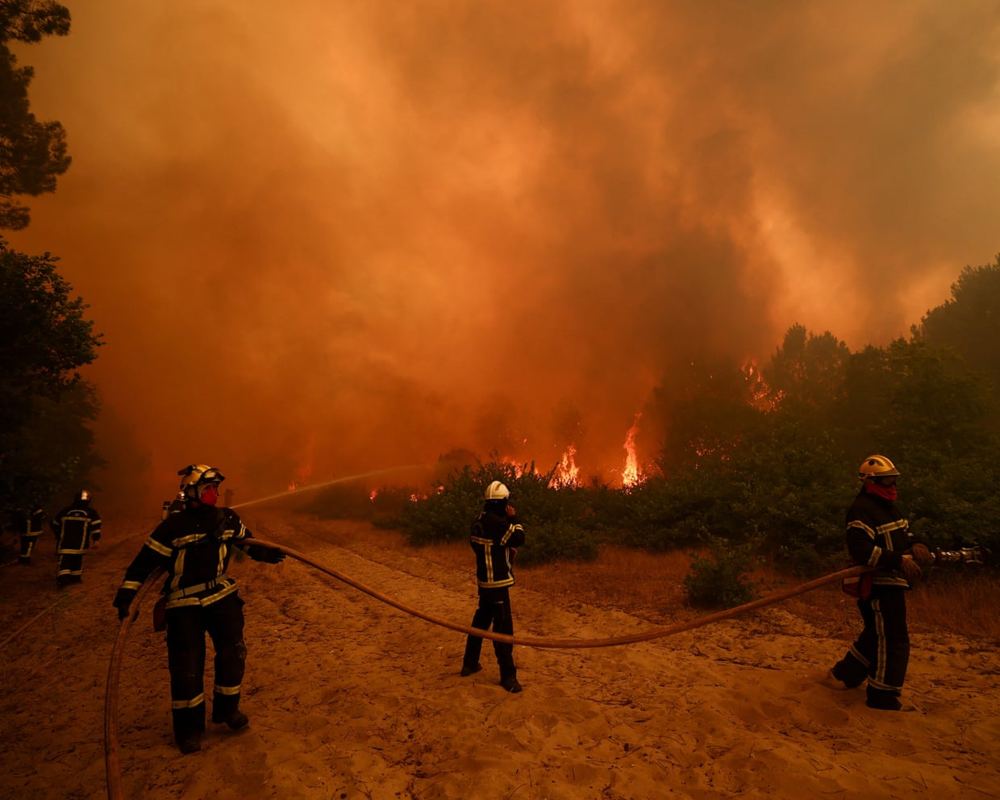
Mass evacuations in southern Europe and tens of thousands of smoke-related deaths highlight the escalating public health and infrastructure risks of intensifying global wildfires.
Fierce wildfires following consecutive heatwaves have forced tens of thousands of residents across southern Europe to flee their homes. Simultaneously, powerful infernos in North America are choking major cities with thick smoke, underscoring the immediate physical and atmospheric disruptions caused by the blazes.
While direct fatalities from fires remain in the hundreds annually, the broader human and systemic cost is heavily driven by airborne pollution. Wildfire smoke is estimated to cause 1.5 million deaths globally each year, and its toxic reach extends far beyond the immediate burn zones.
This transboundary pollution poses a severe, often underestimated risk to European populations and healthcare systems. In 2023, smoke drifting from Canadian wildfires was attributed to 22,000 early deaths across Europe, accounting for a significant portion of the continent's 82,000 total fire-related fatalities that year.
The escalation of these events is closely tied to a planet heated by roughly 1.3C through fossil fuel pollution. In the Mediterranean, this global heating is fueling severe droughts that dry out vegetation, creating tinderbox conditions that scientists say have doubled the likelihood of extreme fire weather in several global regions this year.
Despite these intense local events, the total global area burned has actually declined by 3.3% since 1900. This net reduction occurred because land use changes, primarily the conversion of natural landscapes into farms and cities in Africa, shrank available burn areas by 19.1%, offsetting a 15.8% increase driven by climate change.
Looking ahead, fire weather indices project a steady increase in high-danger days as temperatures rise. By the end of the century, the total burned area could increase by 40% under optimistic carbon reduction scenarios, or double under worst-case projections, vastly expanding the zones requiring costly adaptation and infrastructure protection.
Adapting land management
Mitigating these future risks requires significant shifts in land management to protect communities and assets. European fire experts are increasingly adopting Indigenous practices like intentional, controlled burns to prevent catastrophic fuel buildup, alongside deploying grazing herds to clear overgrown vegetation in abandoned farmlands.
However, better forest management alone cannot eliminate the threat, particularly in unmanaged boreal forests like those in Canada where rising temperatures intensify the fire risk. For individuals and municipalities in vulnerable zones, experts emphasize the necessity of proactive safety plans, maintaining defensible spaces around properties, and immediate evacuation when authorities issue warnings.