Estonian schools apply blast film to windows after stray drones breach airspace
Schools in the Estonian town of Tartu are retrofitting buildings with protective film and designated shelters after stray Ukrainian drones diverted by Russian jamming repeatedly entered the NATO member state, signaling a new frontier of hybrid security risks for the European Union.
Educational institutions in Tartu, Estonia, are applying protective film to windows and designating internal shelters to safeguard students from exploding drones. The measures follow an incident in June when a drone approached the town, prompting emergency alerts for children to seek cover.
Located just 45 kilometres from the Russian border, Tartu has seen stray Ukrainian drones enter the NATO and European Union country several times this spring. Ukraine blames Russian electronic jamming for sending these explosive-laden aircraft off course from their intended targets.
Karin Lukk, head of Tartu’s Kivilinna secondary school, admitted that staff were initially caught off guard. "We didn't know what to do because we were not prepared. We were actually quite scared ourselves," she said, noting the lack of training and designated safe spaces at the time.
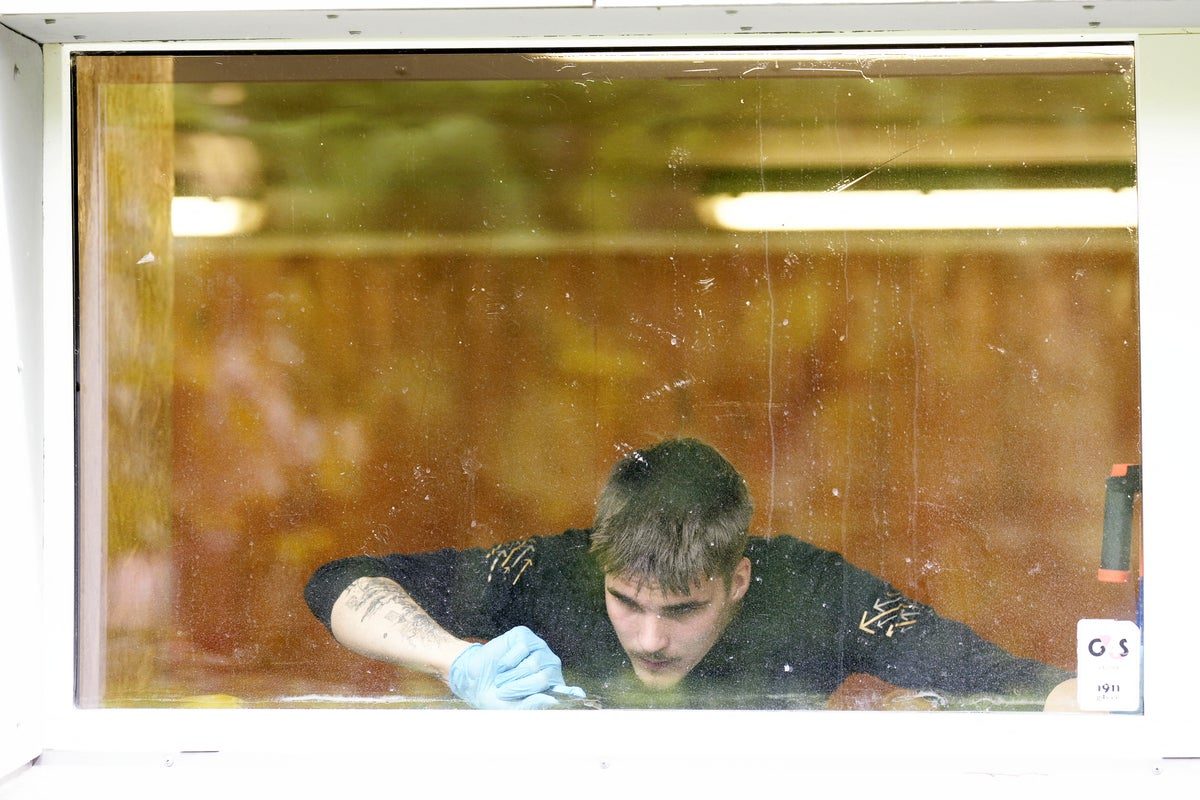
To address this vulnerability, all 30 schools and 38 kindergartens in Tartu are converting spaces like gyms and swimming pools into emergency shelters during the summer holidays. Protective film is being installed on shelter windows, a critical step given that shattered glass causes more casualties in Ukraine than the explosions themselves.
The Kivilinna secondary school is also organising response drills and stocking basements with books and games to keep children occupied during alerts. Parents have welcomed the tangible steps, with Airin Treiman Kiveste, mother of an 11-year-old student, stating, "I feel much better when I know that the school is doing something. I think, in our world now, there must be preparations. It's easier for children too."
The local response reflects a wider shift in how European border communities are adapting to the spill-over effects of the war. Tartu deputy mayor Martin Bek confirmed that power generators are being distributed to residential buildings to mitigate winter blackouts, a precaution other Estonian towns are now considering.
"Unfortunately these are the times we are living in. We have to do something," Bek observed, highlighting the necessity of action. For the broader European Union, the situation in Tartu underscores the urgent need to harden civilian infrastructure against asymmetric threats that no longer respect national borders.