German top court halts mass withdrawal of Afghan visas
Germany’s constitutional court has struck down the interior ministry’s blanket revocation of resettlement promises to Afghan refugees, forcing Berlin to process hundreds of individual cases.
Germany’s Federal Constitutional Court has overturned a blanket government decision to revoke entry visas for Afghan refugees, ruling that the interior ministry lacked the authority to cancel such commitments across the board. The judgment forces the reassessment of more than 600 pending cases, primarily affecting former local staff and at-risk individuals who were promised asylum after the Taliban takeover.
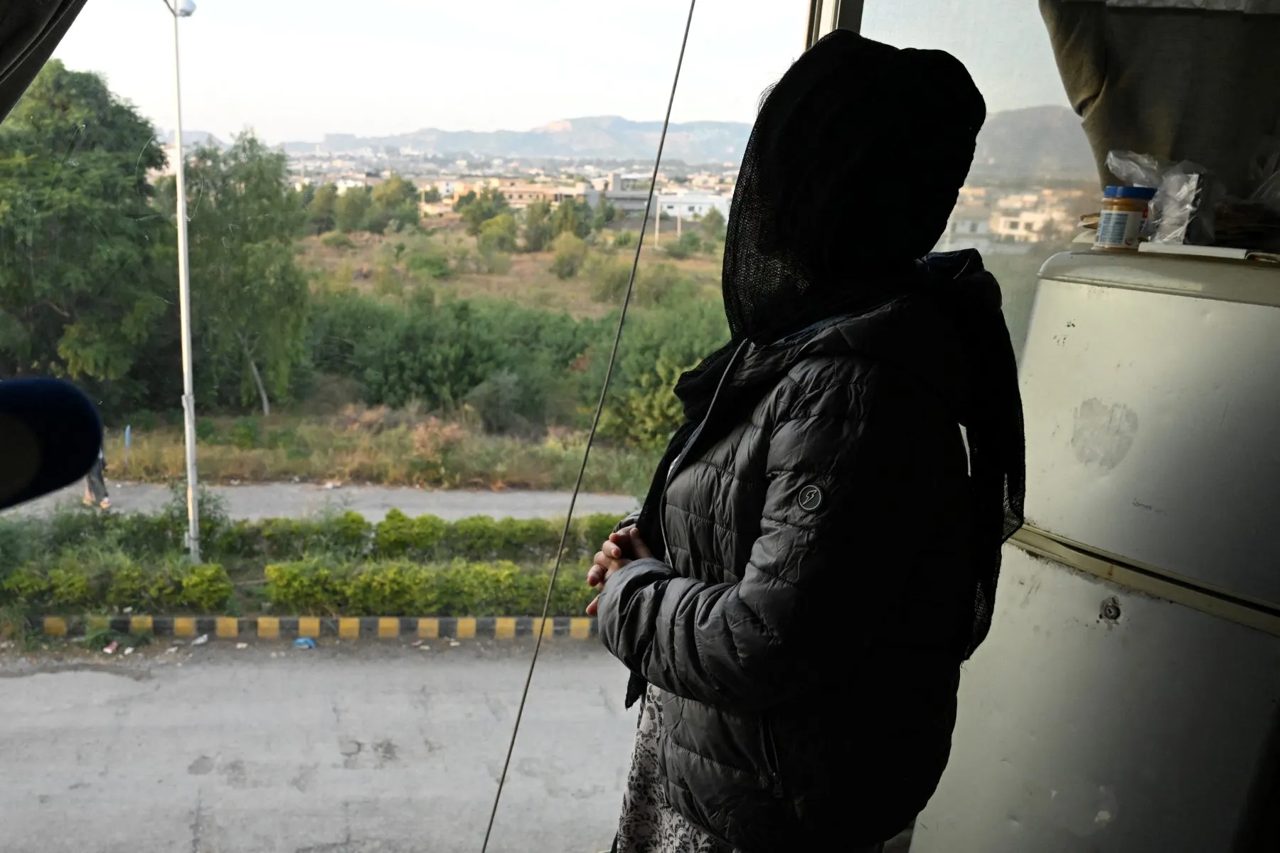
The case was brought by an Afghan mother currently in the city of Peshawar in northern Pakistan, seeking entry for herself and her two minor sons. Her initial acceptance under a 2021 refugee programme was withdrawn in late 2025, a move subsequently upheld by the Higher Administrative Court of Berlin-Brandenburg.
The Second Senate in Karlsruhe has now referred the case back to the lower court, stipulating that Germany is constitutionally obliged to continue supporting the family in Pakistan until a visa is granted or the ministry legally exits the admission programme. The court clarified that while individual cases can be reassessed, a sweeping cancellation is unlawful.
The legal clash stems from a sharp policy reversal by the current administration. After the previous traffic light coalition promised resettlement to vulnerable Afghans in August 2021, the current government halted the programmes in May 2025. By December, Interior Minister Alexander Dobrindt had withdrawn all outstanding admission commitments, declaring an end to the political interest in taking them in.
For European policymakers, the ruling establishes a firm judicial boundary on how aggressively governments can dismantle existing asylum commitments to project a tough migration stance. It highlights the legal and administrative risks that arise when executive branches attempt to bypass individual case reviews in favour of mass withdrawals, a tactic increasingly favoured by conservative parties across the continent.
"Today I am really happy - I can hardly describe how relieved I am," the plaintiff told the German Press Agency. "It was a very long, desperate wait."
Elaha Hakim of the Airbridge Kabul initiative urged the government to honour its obligations. "We now call on the government to make good on their obligation to examine these cases individually and to finally give the families the protection they deserve," Hakim said.
The Greens labelled the ruling a painful defeat for the interior minister. "It seems that recently, for his department, the headlines about tough migration policy mattered more than the promise of protection under the rule of law," Green Party politician Marcel Emmerich told AFP. "Karlsruhe is now putting an end to this arbitrariness."
Despite the judicial rebuke, Dobrindt indicated he sees no immediate need for action. The lower court in Berlin-Brandenburg must now begin the process of individually reviewing the hundreds of stranded Afghans.