Poland bans dog chaining after rural regulation dispute
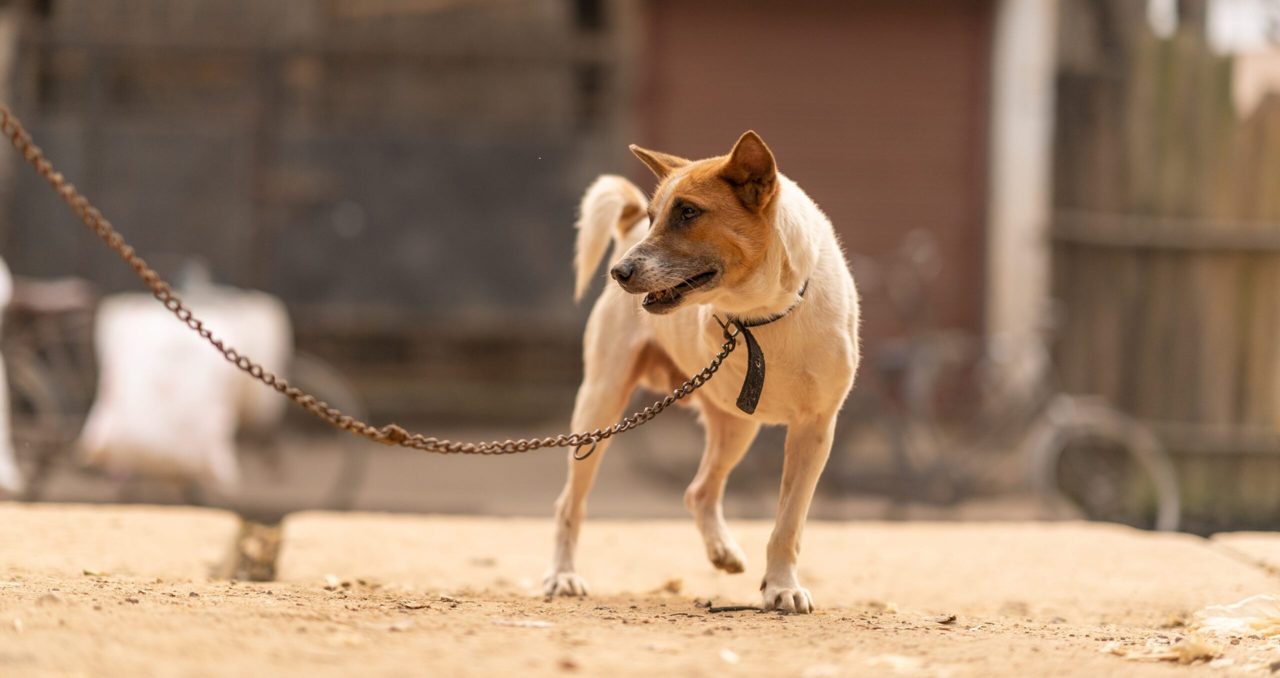
Poland will outlaw the tethering of dogs and cats at home next year, ending a political standoff that centred on the regulatory impact of animal welfare rules on the country's farmers and rural households.
President Karol Nawrocki has signed a law prohibiting the tethering of dogs and cats at home, with the measure set to take effect 12 months after its publication in the official Journal of Laws.
Under the new rules, animals must be kept inside a house, in a fenced garden, or in a kennel large enough for them to move freely. Dogs kept in kennels must receive daily exercise outside the enclosure. Leashes will still be permitted for walks, transport, veterinary visits, training, or if an animal poses a danger.
The signature resolves a monthslong legislative dispute. Nawrocki, who is aligned with the right-wing opposition, vetoed an initial version of the bill in December 2025. He argued at the time that while the intention to protect animals was noble, the legislation was poorly drafted.
The core of his objection was that minimum kennel size requirements were unrealistic and would negatively affect farmers, breeders and ordinary rural households. After parliament failed to overturn that veto, legislators drafted a compromise bill following discussions with the presidential chancellery and animal rights groups.
Despite the political compromise, questions remain about the final regulatory burden on breeders and rural residents. Nawrocki stated the new law avoids rigid and costly kennel mandates, yet his office noted the legislation tasks the agriculture minister with issuing a regulation establishing "minimum kennel area, taking into account the dog’s size". It is unclear how this will differ from the requirements he previously rejected.
The law does specify that kennels must be built from wood or a similar material, feature thermal insulation, be raised off the ground and have openings on at least two sides for light and air. The final bill passed with support from the ruling coalition and most MPs from the national-conservative Law and Justice (PiS) party, while the far-right Confederation and Confederation of the Polish Crown voted against it.