UNESCO places Lebanese castles and West Bank site on endangered heritage list
The UN cultural agency's emergency listing of sites in Lebanon and the occupied West Bank highlights the severe threat ongoing Middle Eastern conflicts pose to global heritage and complicates international diplomatic efforts.
The United Nations Educational, Scientific and Cultural Organization voted on Friday in Busan, South Korea, to place five castles in Lebanon and the archaeological site of Sebastia in the occupied West Bank on its World Heritage in Danger list. The committee utilized an emergency procedure to approve the nominations, citing the severe threats posed by ongoing regional conflicts.
For European policymakers and investors monitoring the Mediterranean and Levant, the decision underscores the deepening friction between Israel and multilateral institutions. The escalating disputes over territorial control and cultural heritage signal persistent regional instability, which continues to complicate broader diplomatic and economic engagements in the area.
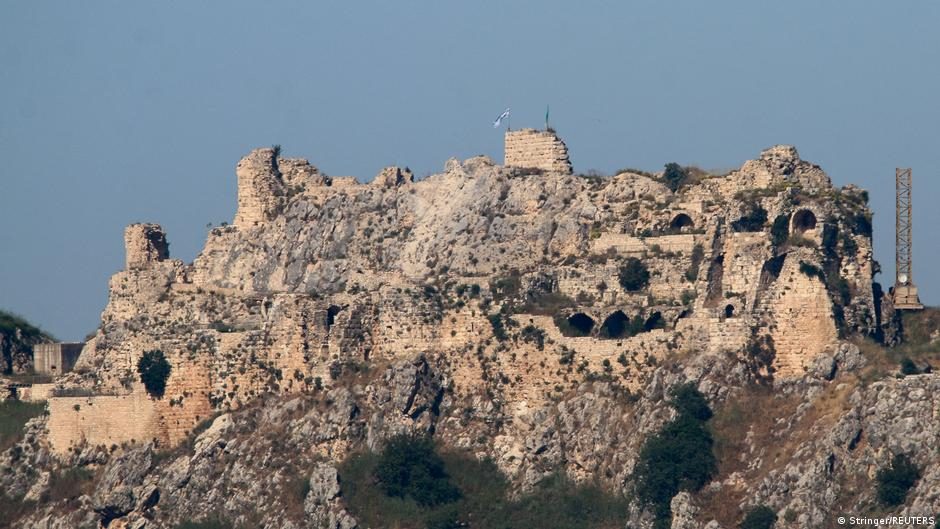
The Lebanese sites include the Crusader fortress Beaufort Castle, alternatively called Qalaat al-Shakif, which Israeli forces captured in May during military operations against Hezbollah. Lebanese Culture Minister Ghassan Salame noted that only two of the five Jabal Amel castles remain within the government's reach.
Salame accused Israeli forces of already destroying Shamaa Castle and threatening to demolish Beaufort, describing the UNESCO designation as a remarkable achievement in protecting these historical landmarks. A Lebanese delegate at the Busan meeting stated the fortresses have served only cultural and tourism purposes since the year 2000.
Sebastia, located near the West Bank city of Nablus, contains archaeological remains spanning the Iron Age through the Islamic periods. The site was first nominated by the Palestinian delegation in 2012 and is considered vital to the local tourism industry.
UNESCO warned that the site's integrity is threatened by an expropriation project to create the Samaria National Park. The agency noted that recent Israeli actions, including the construction of a restricted road for Israelis, perimeter fencing, and new entry fees, have severely impacted the area.
Israeli authorities took control of approximately 200 hectares of adjacent Palestinian land in 2025, citing preservation and development objectives. Adel Naim Daoud Atieh, representing the Palestinian delegation, stated the designation honors residents who have safeguarded the site despite occupation and restrictions.
Israel's Foreign Ministry had urged the committee to reject the nominations, accusing the Palestinian delegation of waging a hostile, one-sided campaign. Israeli Foreign Minister Gideon Saar condemned the Sebastia listing as an attempt at erasing and denying the Jewish connection to the land.
An Israeli delegate, attending as an observer following the country's 2019 withdrawal from the agency, argued that politicization has ruined UNESCO. The Foreign Ministry also alleged that Hezbollah transformed Beaufort Castle into a military stronghold by building tunnels and launching rockets from the area, claims a Lebanese delegate denied.