Uzbekistan deepens European institutional ties through Tashkent heritage centre
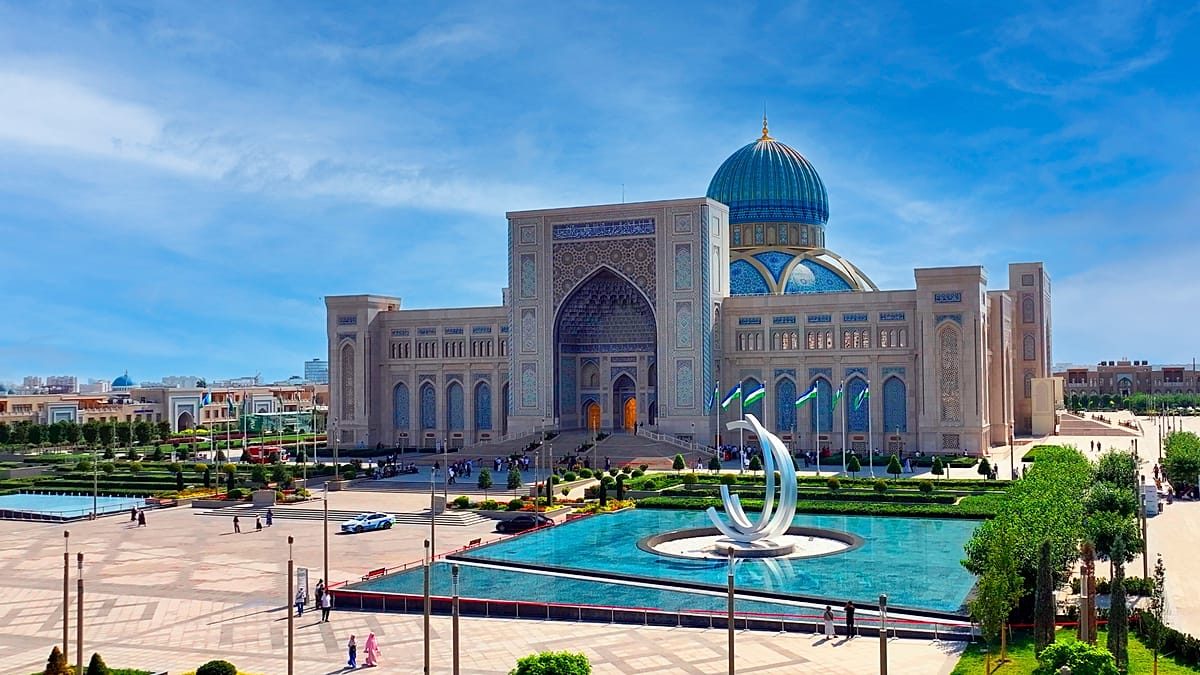
The Centre of Islamic Civilisation in Tashkent is leveraging academic partnerships and diplomatic forums to integrate Central Asian heritage with European institutions, signaling a stabilizing environment for foreign engagement.
The Tashkent facility recently facilitated the return of nine looted Kushan and Sogdian artefacts from London and hosted an international forum for more than 400 scholars. President Shavkat Mirziyoyev conceived the project in 2017, and the complex now operates as the world’s largest museum dedicated to Muslim heritage. The facility also functions as an active diplomatic venue aimed at fostering cross-cultural understanding.
For European companies and investors, the deepening of institutional ties with the University of Oxford and UNESCO, alongside diplomatic successes in London, signals a stabilizing environment. The integration of European academic partners into a state-sponsored project provides a structured channel for ongoing dialogue, indicating a maturing diplomatic relationship that often precedes broader economic engagement and market access.
The museum highlights the region’s historic contributions to European mathematics, astronomy, and medicine. Among its most notable holdings is a seventh-century Qur’an written on deerskin. By positioning Central Asia’s foundational scientific achievements within a European context, the centre aims to reframe historical narratives and promote mutual comprehension among visitors.
Domestically, the project is closely tied to Uzbekistan’s demographic reality. Because 60 per cent of the national population is under the age of 35, officials are using the museum to connect younger generations directly to their historical legacy. The site receives thousands of daily visitors and hosts numerous international delegations, serving both as an educational resource for the youth and a primary showcase for foreign dignitaries.
The integration of European academic partners into this heritage project provides a visible metric of the country's willingness to align with international institutional standards. As Tashkent continues to open its cultural and diplomatic doors, these ongoing collaborations offer a foundation for future economic and corporate partnerships across the continent.