Edinburgh launches Scotland's first 5% tourist tax
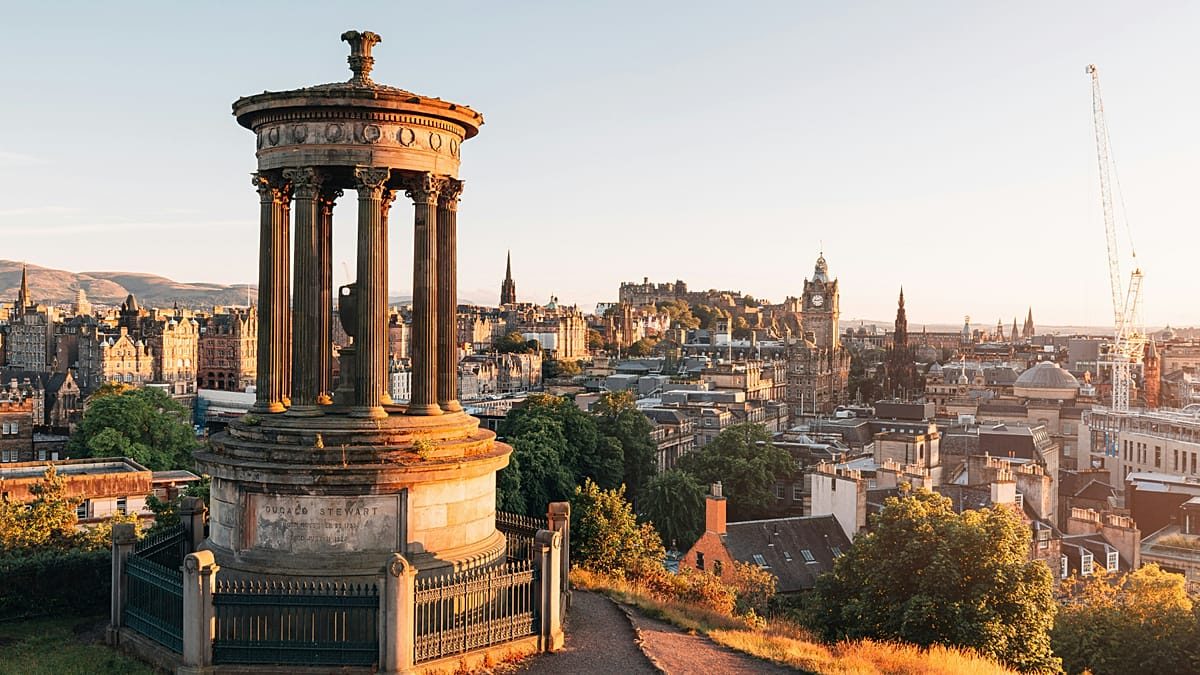
Scotland's capital has implemented a 5% levy on overnight stays, creating a €58 million annual fund to combat overtourism and setting a new cost baseline for the local hospitality sector.
Edinburgh has enacted a 5% tax on all paid overnight accommodation, making it the first Scottish city to implement such a levy. The charge applies to guests staying in hotels, hostels, bed-and-breakfasts, and short-term rentals starting 24 July. It was formally agreed by councillors in January 2025 and applies to advance bookings made since 1 October 2025 for stays on or after 24 July 2026.
The daily rate is consistent year-round but is capped at five consecutive nights. For the hospitality industry, the surcharge represents a direct addition to the cost of a room, potentially altering pricing strategies for hotels and Airbnb hosts during peak tourist seasons.
Local authorities expect the levy to generate up to £50 million (€58 million) annually. Across Europe, similar visitor charges are standard, but this marks a shift for the UK market, where destinations have traditionally relied on broader taxation rather than targeted visitor levies to fund municipal services.
The revenue is already earmarked for a £90 million (€105.3 million) investment programme spanning three years. Funds are split across infrastructure, cultural events, and visitor management. Specific allocations include £1.3 million (€1.52 million) for city centre waste and cleansing operations, and £4.5 million combined for coastal upgrades at Cramond foreshore and Portobello Promenade.
The city is also directing money toward public safety and major events, partnering with Police Scotland for a dedicated City Centre Policing Unit and contributing £132,000 (€154,400) to the Festival Carnival and Mardi Gras. Parks will see doubled park ranger numbers and increased repair budgets to improve green spaces.
Council Leader Jane Meagher framed the tax as a necessary response to the pressures of heavy tourism. “We know that the city’s popularity comes at a cost through the pressure it puts on our services and on the people who live and work here all year round,” she said. “This small new contribution from overnight visitors will help improve the services and public spaces we all depend on, while better managing the effects of tourism and major events.”
Julie Ashworth, Chair of the Edinburgh Visitor Levy Advisory Forum, pointed to the broader economic goal of maintaining the city's competitive edge. "From revitalised public spaces to better visitor infrastructure and experiences, we're confident the levy can help Edinburgh stay welcoming, resilient and successful," she said.