Blackpool council ends 44-year ban on Rolling Stones after 1964 riot
The lifting of a four-decade municipal prohibition on the Rolling Stones highlights the long-term cultural and economic friction between local authorities and the live music industry in post-war Britain.
Blackpool’s local council has officially rescinded a 44-year prohibition on the Rolling Stones, ending a decades-long municipal freeze imposed after a severe riot at the town’s Empress Ballroom. The decision marks a formal reconciliation between the seaside local authority and one of Britain’s most globally significant cultural exports.
Municipal bans on major touring acts carry significant long-term implications for local tourism and cultural prestige. By extending the olive branch, Blackpool’s leadership is attempting to repair a historical rift that prevented the town from capitalizing on the band's subsequent global commercial dominance.
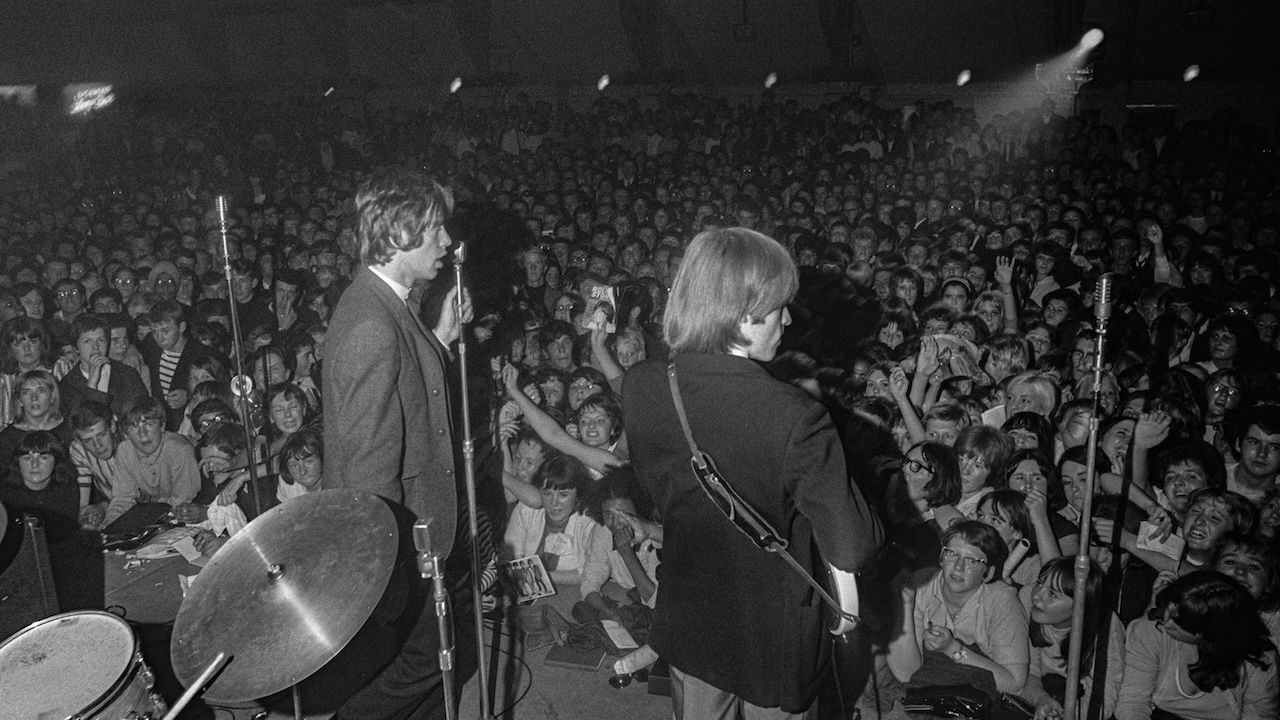
The original conflict occurred on July 24, 1964, during a performance by the newly established rock group. Following what bassist Bill Wyman preferred to describe as a "disaster" during their United States tour, the band faced immediate hostility from a segment of the local audience.
Eyewitness Terry Regan noted a "mass rush for the stage" by hundreds of attendees determined to reach the musicians. Guitarist Keith Richards recalled the crowd punching their way to the front, admitting, "In those days I had a temper..." when he retaliated after being struck by a thrown fork.
Richards later kicked a primary instigator in the face, which triggered widespread destruction. Bottles and ripped seats were hurled at the stage, while chandeliers inside the historic venue were smashed during the chaos.
Tour manager Ian Stewart physically pulled Richards from the stage, telling him, "For fuck's sake get out of here while you're still alive!" The displaced mob then invaded the performance area, destroying amplifiers, a grand piano, and Charlie Watts' drum kit.
The violence resulted in 50 hospitalizations, four arrests, and an estimated £4,000 in property damage to the Ballroom. Frontman Mick Jagger later noted with understatement, "Some people in the audience obviously didn’t like us."
In response to the public order failure, the local police watch committee denied the band a performance licence the following year, formalizing the indefinite ban. Blackpool council leader Peter Callow authorized the reversal of the policy in 2008.
"I've given instruction to our council officers to write to The Rolling Stones to say, 'Right, the ban is lifted. We reach out the hand of friendship'," Callow stated. "What I am saying is, Come back Mick, all is forgiven," the council leader added, attempting to close a chapter of local governance history.
Despite the official lifting of the prohibition, the band currently has no immediate plans to schedule a return performance in the resort town. The long-term economic impact of the ban remains a historical footnote rather than an ongoing commercial dispute.