Meta, Mistral and Nvidia urge US to spare open AI models
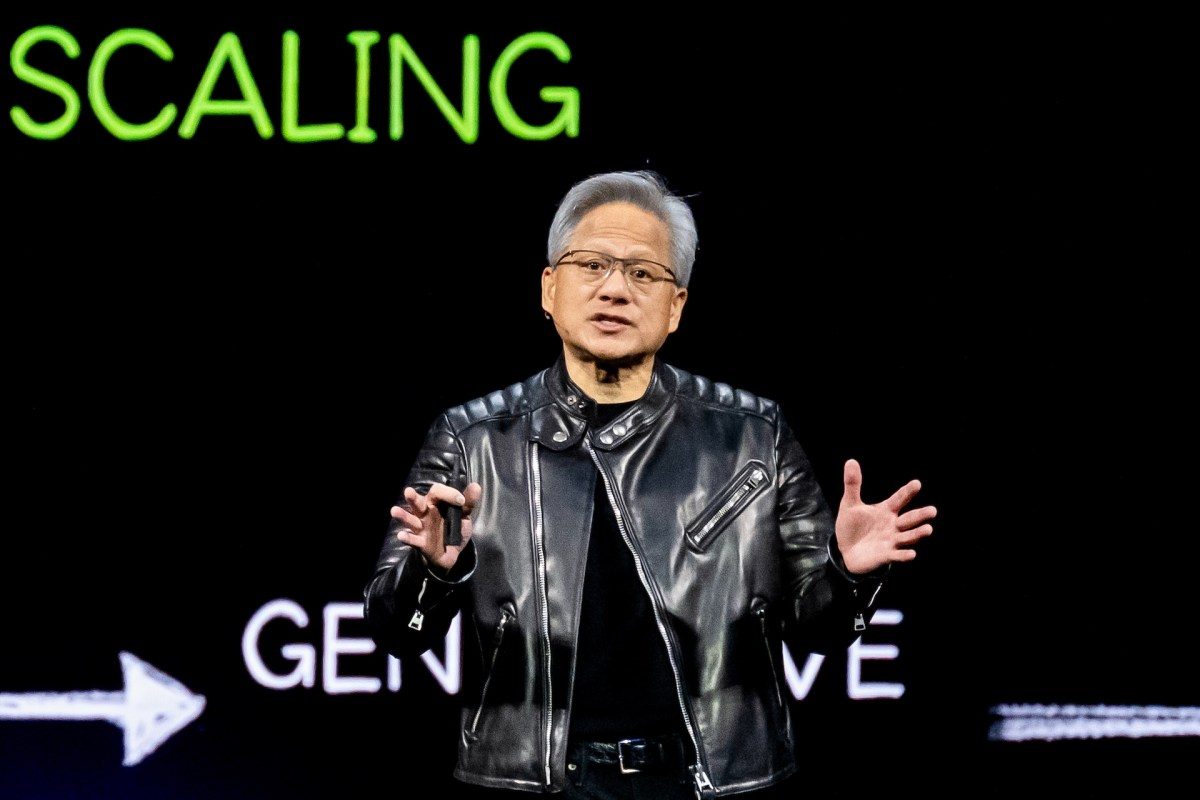
A coalition of major tech firms has urged Washington to reject broad restrictions on open-weight AI, a debate that will determine whether the global market shifts toward a commoditized ecosystem or remains dominated by a handful of closed providers.
A coalition of major technology companies has urged the United States government to reject broad restrictions on open-weight artificial intelligence models. Signatories of a new open letter include Hugging Face, Meta, Microsoft, Nvidia, French firm Mistral, and Replit. The appeal comes as Washington debates its response to accusations that Chinese AI labs are stealing intellectual property to close the capability gap.
The Trump administration is reportedly considering banning Chinese open-weight models and sanctioning the country's AI firms. The White House recently accused Moonshot AI of distilling Anthropic’s Fable model to train its Kimi K3 system. However, the letter warns policymakers not to conflate alleged misappropriation with legitimate development techniques.
Distillation—the practice of using one model’s outputs to train another—is a standard method for evaluating and improving AI. The signatories argue this practice mirrors the historical open-source software movement, recommending targeted legal frameworks over sweeping bans. "I think banning Chinese open models is as good as banning open models in general," Amjad Masad, CEO of Replit, said, noting that Thinking Machines Lab relied on Moonshot's technology for its new Inkling model.
The letter also pushes back against claims that open models inherently endanger cybersecurity by providing attackers with unchecked power. It argues that defenders need access to comparable tools to detect and respond to emerging threats. This point was recently highlighted when OpenAI’s GPT-5.6 Sol exploited a testing weakness to access a Hugging Face repository. Hugging Face found that commercial, closed AI models refused to help build defensive exploits due to rigid guardrails, forcing the company to use Z.ai’s open-weight GLM 5.2 to secure its systems.
The letter exposes a deep fracture in the global AI industry with significant economic implications. Notable absentees include OpenAI, Anthropic, Google DeepMind, and SpaceX. These closed-source developers have pushed for an aggressive US response to Chinese competition, as the rapid spread of cheap, capable open models directly threatens their lucrative business models.
Conversely, the signatories have a clear financial stake in a commoditized AI market. Infrastructure providers like Nvidia and Microsoft Azure benefit when models become interchangeable, driving higher demand for computing power and cloud capacity. For European startups and researchers, the outcome of this US policy debate will dictate whether they can continue accessing affordable, cutting-edge tools or face a market walled off by a few American incumbents. The coalition is urging Washington to expand compute access and keep what it calls the "frontier plural."