Burnham plans English decentralisation to close UK productivity gap

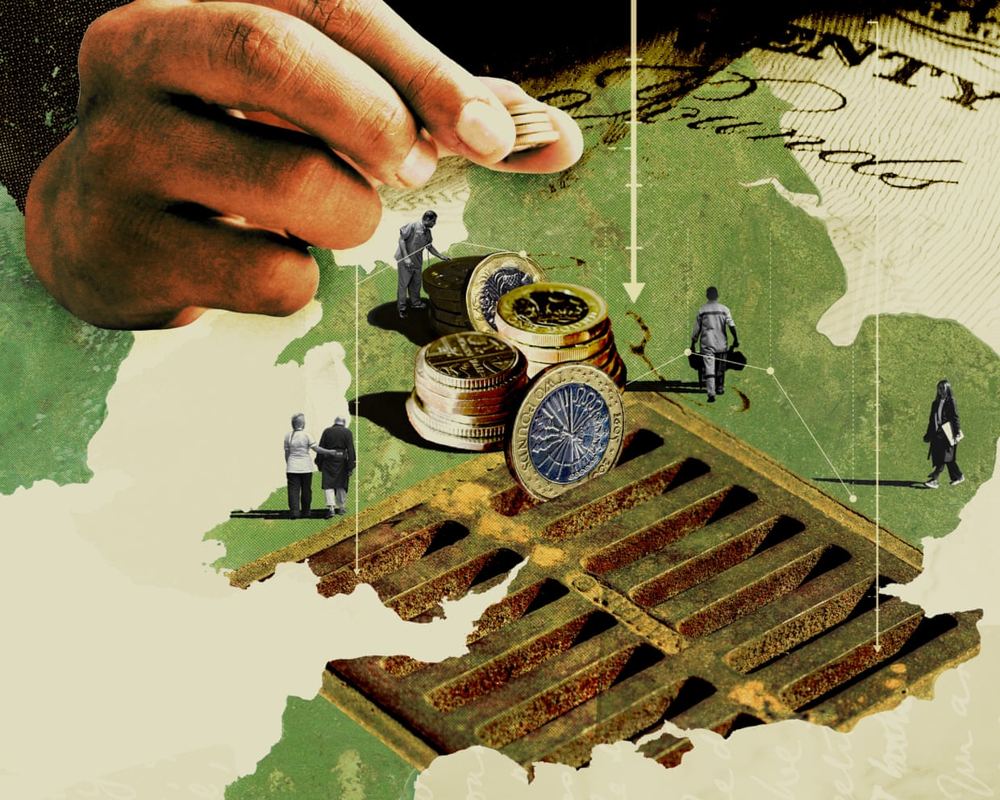
New British Prime Minister Andy Burnham has launched a decentralisation drive aimed at closing a regional productivity gap that researchers say is now wider than the divide between east and west Germany.
Andy Burnham began his tenure as UK prime minister by capping single bus fares across England at £2 from January and opening a new headquarters for the central government in Manchester. While the opposition has dismissed these as local-level gestures, the early moves signal a deliberate strategy to dismantle decades of centralised economic power in London.
The economic rationale for this shift is stark. A new paper from the Harvard Kennedy School and King’s College London, authored by former minister Ed Balls and others, argues that Britain’s national productivity stagnation is fundamentally a "persistent regional productivity problem". Researchers found that the economic divide between the prosperous south-east and the rest of the country is now "wider than between east and west Germany".
Burnham is betting that handing power to cities and regions is the most viable path to unlocking growth. Pointing to his record as mayor of Greater Manchester, he argued: "We built a city-region with twice the economic growth of anywhere else in the UK. What we did in Greater Manchester, we can do across the nation." The new "No 10 North" site in Manchester is intended to physically embody this shift.
The prime minister's focus on practical, immediate measures has drawn criticism. Conservative leader Kemi Badenoch dismissed the policies as "small answers to big problems", arguing they amounted to "mayor of Manchester ideas". Some voices within the governing party have also wondered why Burnham has not yet delivered a large-scale financial intervention, such as Gordon Brown’s 1997 decision to grant independence to the Bank of England.
However, the new administration is operating under severe fiscal constraints. The 2024 manifesto blocks the most obvious routes to raising revenue, yet Burnham must find billions to fund soaring demands for defence and social care. This leaves decentralisation as the primary mechanism available to stimulate the economy without immediate major tax increases or borrowing.
The Harvard-Kings research highlights that this strategy has been historically thwarted by a Whitehall machine reluctant to surrender control. Previous leaders, including John Major, Tony Blair and George Osborne, admitted to researchers that they regretted not pushing regional devolution earlier in their tenures when they possessed the political capital to force it through.
Balls contends the current political configuration changes that dynamic. With Burnham in the top job, alongside John Healey and Angela Rayner in key economic and departmental roles, he described this as "the best moment we have ever had on this agenda". For businesses and investors, the success or failure of this municipal empowerment will dictate the trajectory of the UK economy.