Wildfires force 80,000 from homes as French tourist hub burns
The evacuation of a major French tourist town exposes the socio-economic divide in disaster recovery and the strain on Europe's emergency resources.
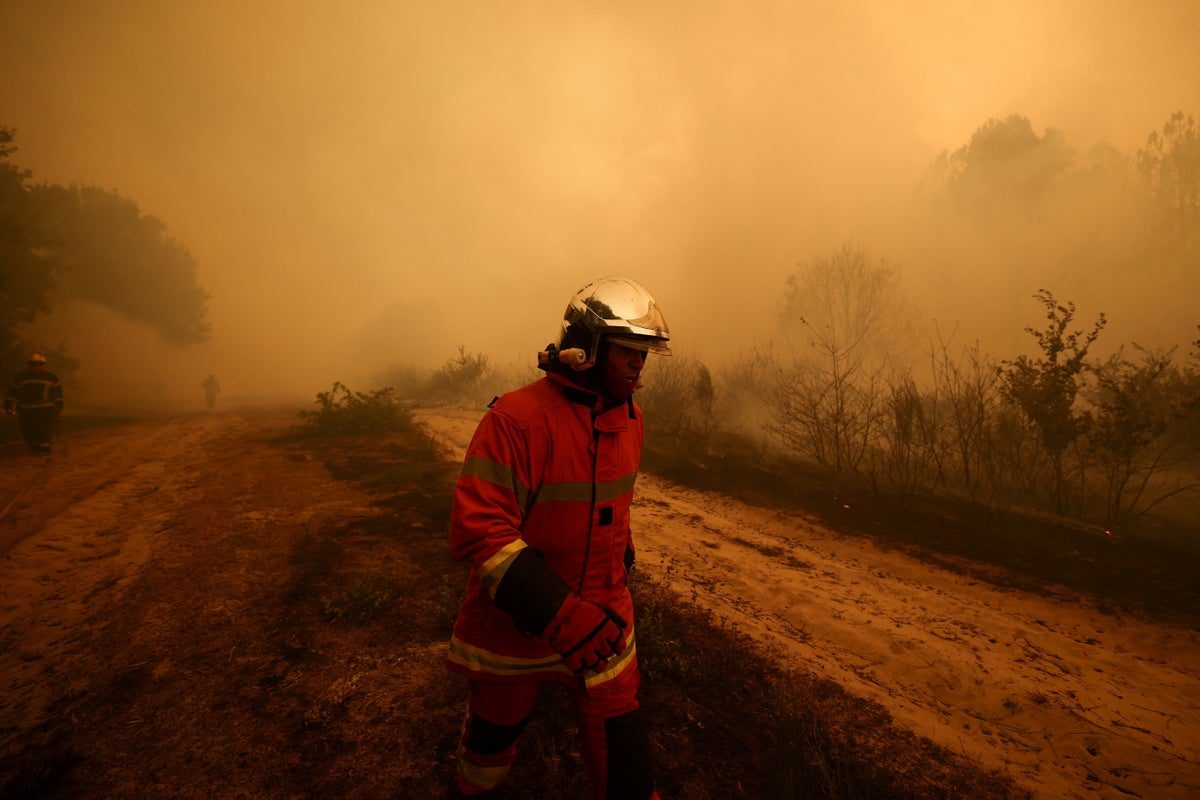
Over 80,000 people have been forced to flee their homes across southwestern France and central Spain as wildfires tear through popular tourist regions. The mass displacement centres on Lège-Cap Ferret, a wealthy French resort town, highlighting the vulnerability of European infrastructure to extreme weather.
Residents of the town, which hosts 120,000 tourists during peak season against a permanent population of 12,000, were ordered to evacuate at 4am on Friday. Hundreds of cars crammed the road to Bordeaux in a disciplined exodus as a pillar of black smoke billowed 20km away. Colonel Romain Moutard, the deputy director of the Landes fire and rescue service, described the situation as "apocalyptic" and "Dantesque".
While the town is known for its upscale summer homes, the fires have exposed a stark socio-economic divide, hitting less affluent residents, including fishermen and maritime workers living year-round on campsites, the hardest. "They have lost absolutely everything," said Marion Girault-Rime, a local marketing business owner assisting at shelters. "It’s going to be very difficult for them to rebuild."
The crisis underscores the severe strain on Europe's emergency resources during a record-breaking summer of heat. Despite experiencing similar wildfires in 2022 and conducting annual emergency exercises, the community found frontline equipment stretched. "In the end we got one plane with flame retardant and two spotter planes, but we didn't get the ones that drop the water on the fires because they were otherwise occupied on other very dangerous fires," Girault-Rime said.
Authorities believe the fire was accidental, but the destruction of roughly 80 homes challenges assumptions about regional preparedness, even among communities that actively drill for wildfires. For a local economy reliant on seasonal tourism, the sudden displacement of its essential, lower-income workforce, and the loss of their homes, raises pressing questions about long-term economic recovery.