Mass evacuations in France and Spain prompt EU calls for structural climate investment
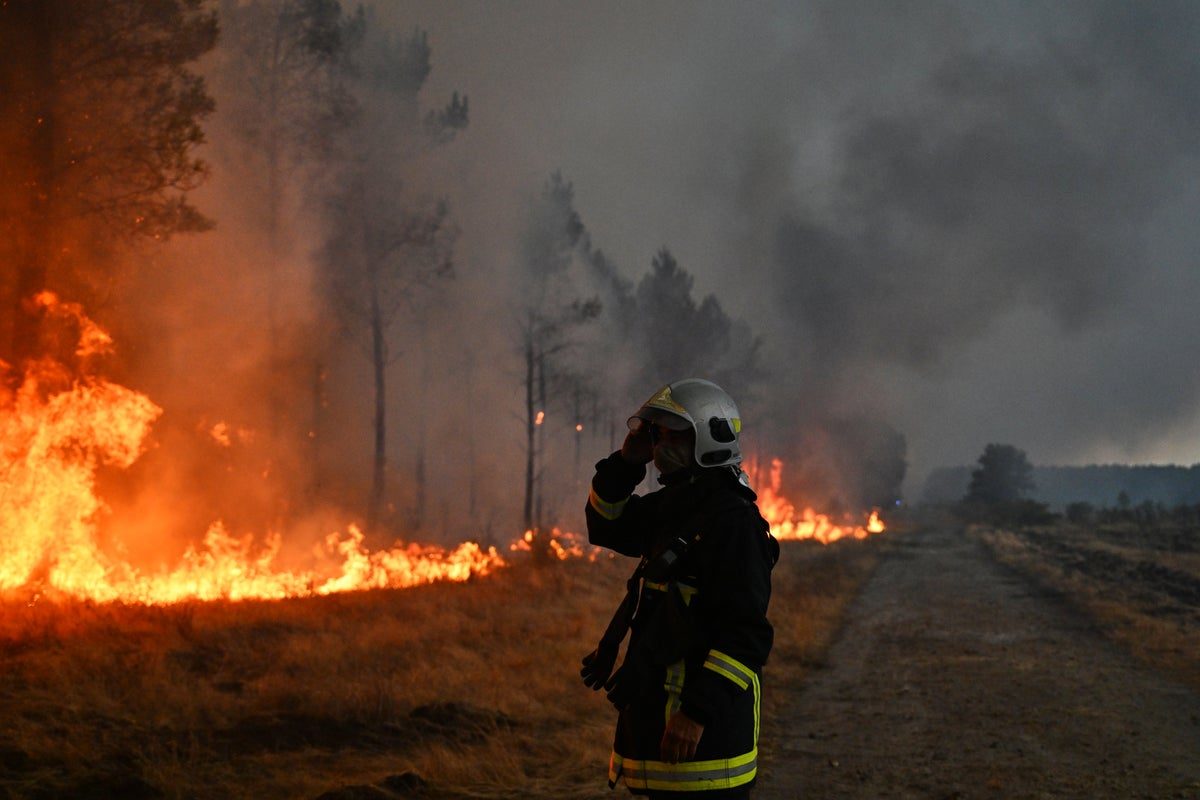
As unprecedented wildfires force hundreds of thousands from their homes in France and Spain, European leaders are signaling an urgent need to redirect funding toward proactive climate adaptation and forest management.
French authorities ordered an additional 4,000 people to evacuate Atlantic coast tourist sites near Bordeaux, expanding what is likely the country’s largest peacetime displacement. The Gironde wildfire has now consumed an area four times the size of Paris, forcing 220,000 residents to flee as temperatures approach 44C.
Simultaneously, more than 63,000 people were evacuated near Madrid, where veteran firefighter Javier García noted the record blaze lacks any historical precedent. The combined disruptions have paralyzed local communities, with French President Emmanuel Macron describing the national crisis as the "most difficult situation since the Second World War."
The scale of the destruction is prompting a fundamental reassessment of how the European Union allocates climate and crisis funding to protect economic assets. Hadja Lahbib, the EU's Crisis Management Commissioner, argued that simply purchasing additional firefighting equipment is no longer sufficient to safeguard rural infrastructure and regional markets.
Lahbib stated that "climate change is accelerating" and urged member states to invest more EU funding into forest management practices. She also stressed the need to better educate citizens on avoiding behaviors that cause fires, which account for 90 per cent of blazes.
This policy pivot comes as data from the Copernicus climate service reveals Europe is warming at more than twice the global average due to changing weather patterns and reduced air pollution. The continent has already heated by 2.5C compared to pre-industrial levels, creating severe operational risks for agriculture, insurance, and tourism sectors across the bloc.
On the ground, the economic and social fallout is stark as the French military patrols deserted streets in places like Lege-Cap-Ferret to prevent burglaries in abandoned homes. Meanwhile, more than 1,160 sq km of land have burnt across France this year, and residents near Bordeaux report struggling to breathe due to thick smoke.
In Spain, Prime Minister Pedro Sánchez indicated the country is seeing the "end of the tunnel," allowing some Toledo residents to return home after the July 23 state of emergency was lifted. However, with the Spanish heatwave forecast to continue until Sunday and a rare pyrocumulonimbus cloud generating new fires near the French coast, the immediate threat to regional economies remains acute.