UK Green Party leader faces police inquiry after sharing guillotine image
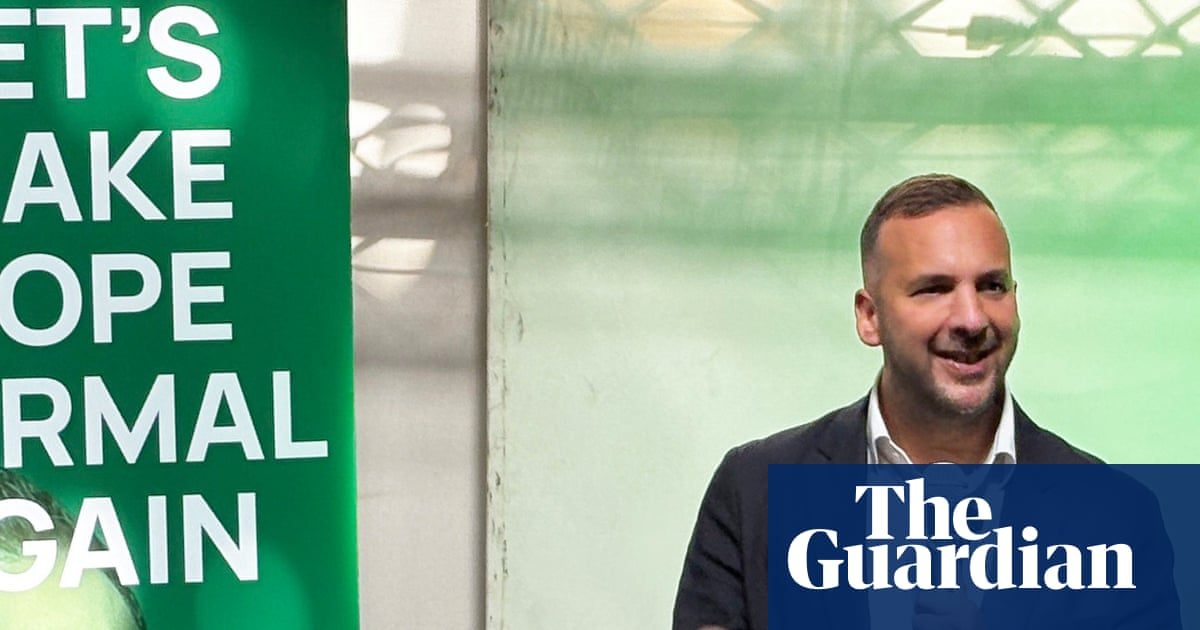
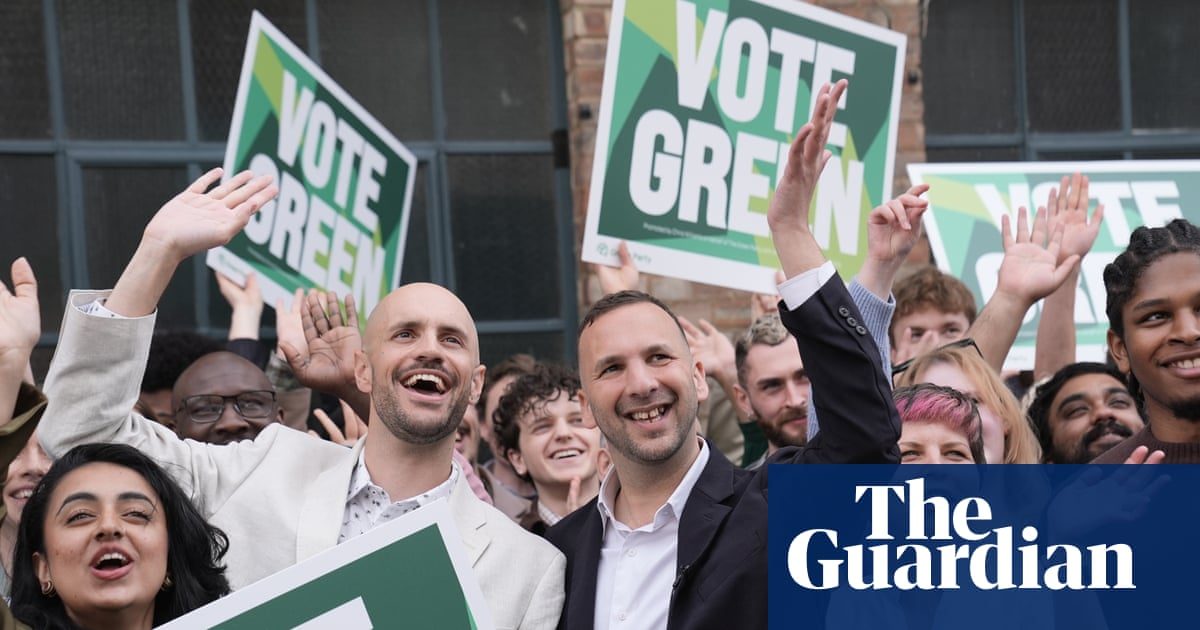
Zack Polanski is facing a police inquiry after sharing an image featuring a guillotine and a message directed at Nigel Farage, raising fresh concerns about political safety and social media conduct among UK lawmakers.
UK Green Party leader Zack Polanski is facing a police inquiry after admitting he shared an Instagram image featuring a guillotine and a message directed at Reform UK leader Nigel Farage. Polanski described the post as an “inadvertent mistake” but has firmly refused to apologise to Farage.
The removed image depicted a man wearing a black T-shirt bearing the phrase “We’re only making plans for Nigel” alongside a graphic of a guillotine. Reform UK has reported the incident to the police, with home affairs spokesperson Zia Yusuf accusing Polanski of “inciting murder” and Farage publicly calling for his arrest.
A Metropolitan police spokesperson confirmed the force is conducting inquiries and takes such reports “extremely seriously”. Polanski told BBC Newsnight that he had not yet been contacted by authorities, explaining the image was part of a 20-photo collaboration from a photographer that he failed to scrutinise before posting.
He stated he was “horrified” by the “dangerous message” and removed the content immediately upon realising the error. However, he maintained that apologising to Farage would be inappropriate for an unintentional act, adding that he would only consider doing so if Farage apologised for historically putting others in danger.
The incident has intensified scrutiny on political conduct online. Work and pensions secretary Pat McFadden emphasised that all politicians have a duty to be careful with their posts, particularly following the death of former MP Ann Widdecombe earlier this month.
McFadden noted that while mistakes happen, it is ultimately for the police to determine if action is required, adding that this is not Polanski’s first such controversy. The Green Party leader previously apologised in May for hastily sharing a post criticising the police response to the Golders Green stabbings.
This row underscores the fragile nature of public trust and political stability in the UK. As law enforcement evaluates whether the post crosses the threshold into criminal incitement, the episode highlights the severe reputational and legal risks that digital missteps pose to European political institutions and their leaders.