UK regulator allows Heathrow to pass £320m runway planning costs to flyers
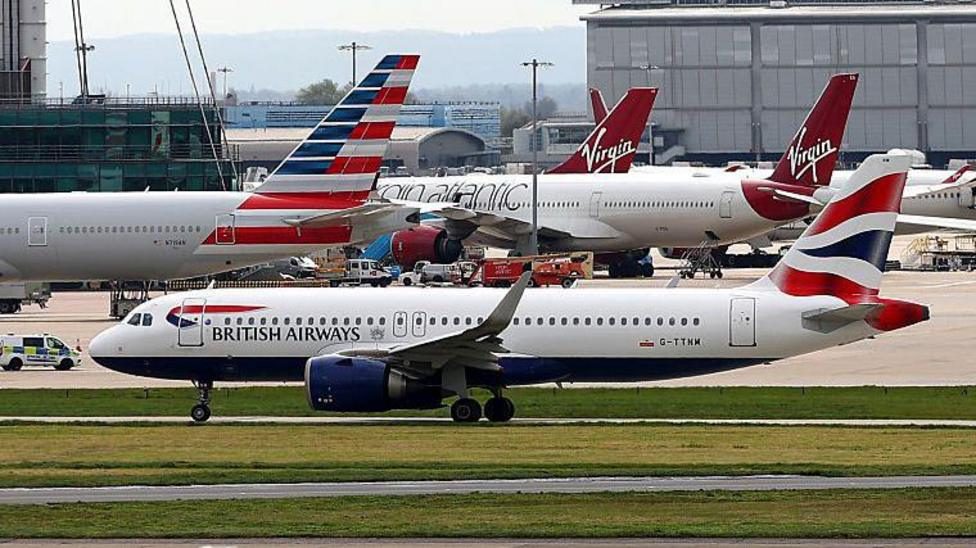
The UK aviation regulator has approved Heathrow Airport's request to recover up to £320m in early third runway planning costs through higher passenger charges, signaling the financial burden of Europe's busiest hub expansion is shifting toward travelers and airlines.
The Civil Aviation Authority has granted Heathrow Airport permission to recover up to £320m spent on the early planning and design of its proposed third runway. The UK regulator will allow the airport to recoup these 2025 and 2026 costs by increasing the fees it charges airlines per passenger.
These higher airport charges are widely expected to be passed on to consumers through increased ticket prices. The regulator estimates the maximum airport charge per passenger will rise by approximately 15 pence in 2028, eventually reaching an estimated 30 pence in subsequent years.
Tim Johnson, the Civil Aviation Authority's director of consumers and markets, confirmed the financial scope of the decision. "We've announced that the first tranche of costs, which is to help with the planning of this, can be recovered from passengers," Johnson said, noting the £320m maximum.
The approval also extends to Arora Group, which submitted an unsuccessful rival proposal for a shorter runway called Heathrow West. The company will be permitted to recover £4.1m in costs incurred up to November of last year. To prevent unjustified expenses, the regulator is implementing safeguards including strict cost reporting and independent expert assurance.
Johnson argued the ruling manages competing interests as the massive infrastructure project moves forward. The decision "strikes a balance between supporting the delivery of benefits to consumers through timely progress on Heathrow expansion, whilst also protecting them from undue increases in costs," he stated.
The financial implications arrive at a tense moment for European aviation markets. Airlines have frequently criticized the London hub as the world's most expensive airport and warned that its expansion plans will only drive up operational costs further. Higher landing fees could compress margins for carriers operating out of the United Kingdom's primary international gateway.
The government backed the £33bn expansion scheme over the Arora alternative last November, citing it as the most deliverable option. Officials hope to secure a formal planning decision for the project by 2029, keeping the timeline within the current parliament.