Noah Kahan joins artists condemning Trump administration over unauthorized music use
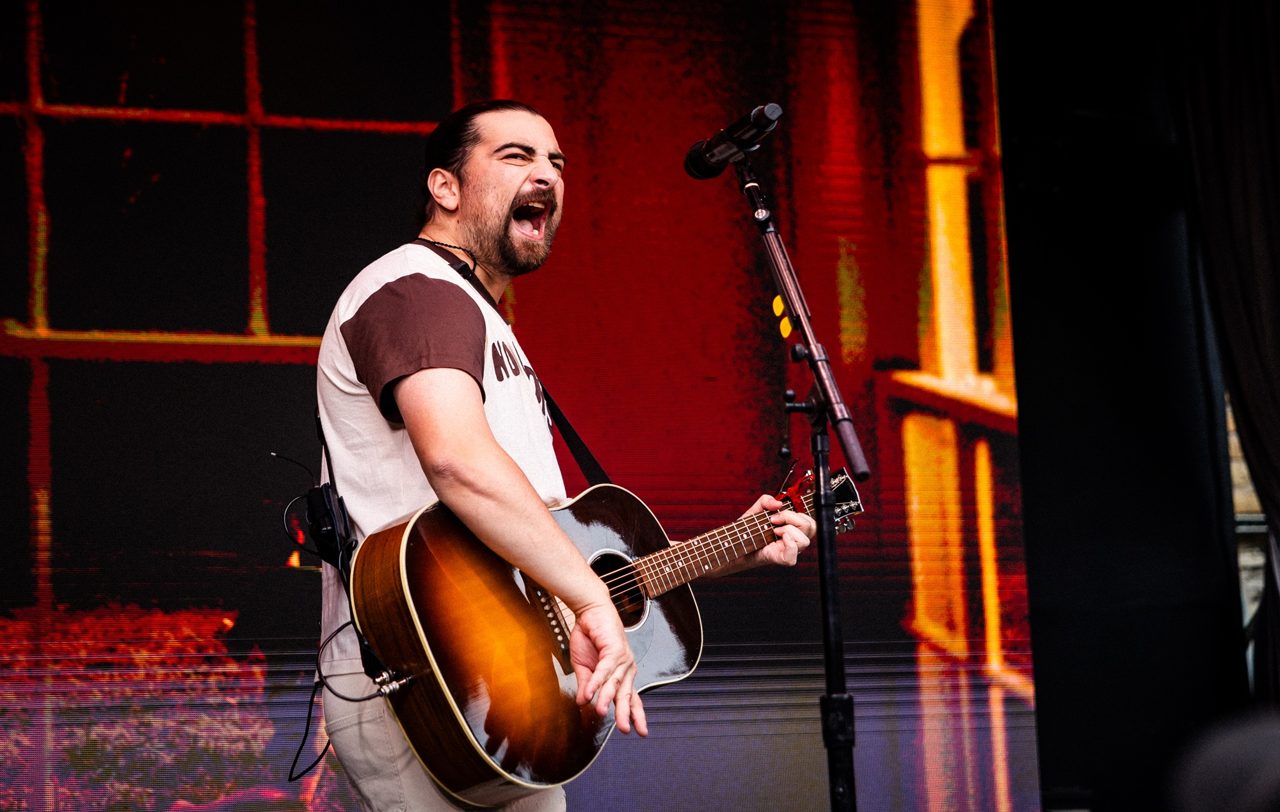
Noah Kahan has demanded the removal of his song from a White House social media post, highlighting a growing pattern of musicians confronting the Trump administration over the unauthorized political use of their copyrighted work.
Noah Kahan publicly rebuked the Trump administration after the White House featured his track ‘American Cars’ in an Instagram post about Donald Trump’s visit to a General Motors test facility in Michigan. Writing in the comments, Kahan stated he “would never approve of my music being used in support of you or this administration,” while co-writer Noah Levine directed an expletive-laden insult at the government.
The audio was subsequently stripped from the Instagram upload, though it remains attached to a version on TikTok. The White House has not issued a public response regarding the unauthorized inclusion of the track.
This incident underscores a sustained friction between the US government and the global music industry regarding intellectual property rights and political messaging. Over the past several months, a diverse roster of international and American artists has forced the administration to address the unlicensed deployment of their cultural products.
Katy Perry recently condemned the use of her 2010 hit ‘Firework’ to soundtrack footage of US military strikes on Iran. The White House TikTok account paired the track with the caption “Iran has been warned,” prompting Perry to state she was “deeply appalled and angry” and “absolutely do not condone” the use of an anthem meant to support people in difficult periods.
The unauthorized usage extends across various government operations and policy areas. Ariana Grande criticized the use of ‘Bye’ in a video depicting Immigration and Customs Enforcement detentions, labeling the footage “barbaric, inhumane.”
Sabrina Carpenter similarly described an immigration enforcement video featuring ‘Juno’ as “evil and disgusting.” Boards Of Canada and Warp Records objected to their track ‘Deep Time’ accompanying a post about border patrol boats and detention centres, while Kesha protested the use of ‘Blow’ in a military video.
Olivia Rodrigo accused the government of using her music to promote “racist, hateful propaganda.” The list of objecting rights holders also includes major global acts such as ABBA, Adele, Céline Dion, The Rolling Stones, and the estate of Isaac Hayes.
For European rights holders and the broader entertainment economy, this trend highlights the legal vulnerabilities artists face when state actors bypass licensing agreements. It raises critical questions about copyright enforcement and the reputational risks for governments that alienate major cultural exporters.