UK investors launch tech course for teenagers to address junior talent gap
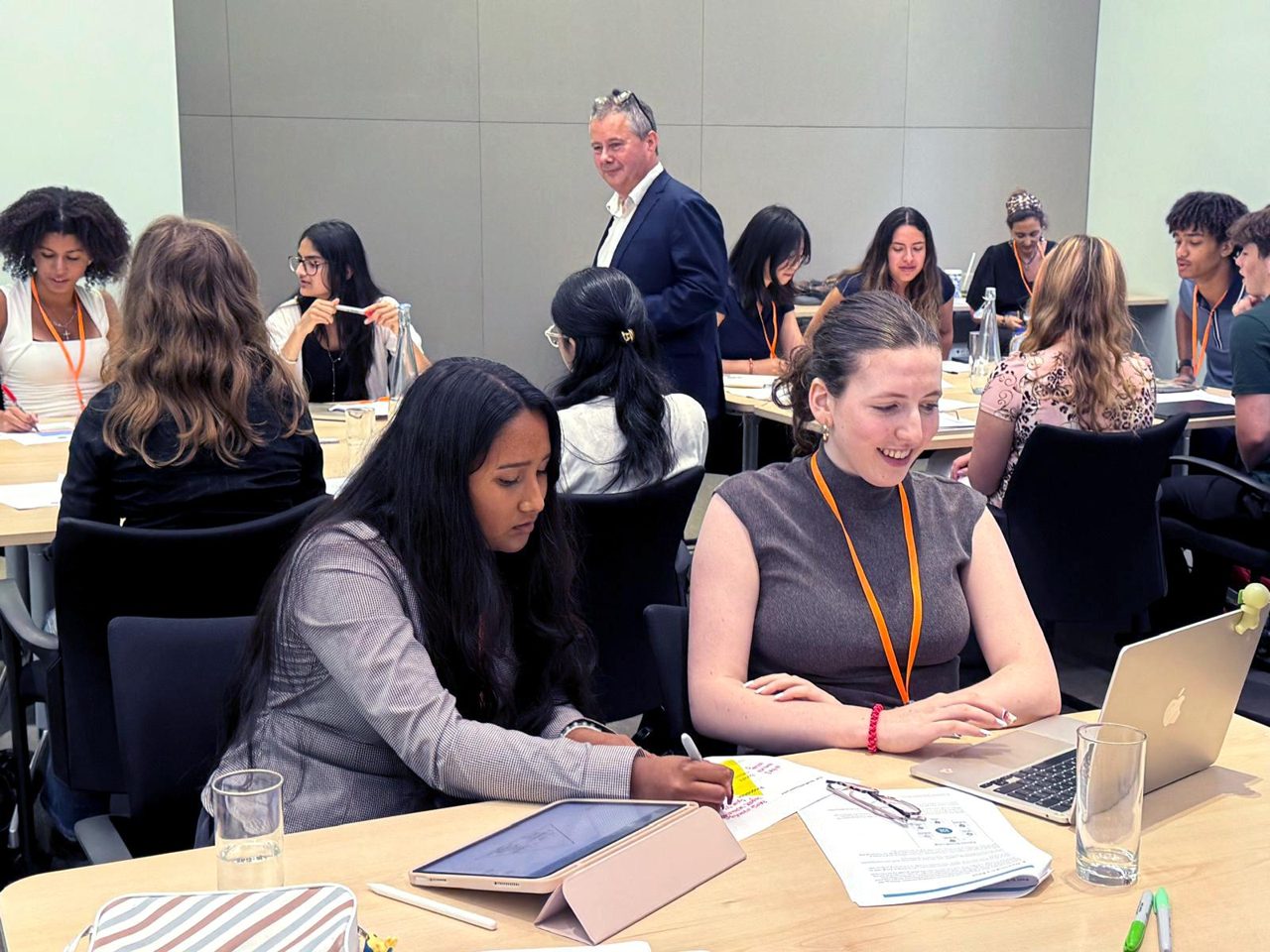
Angel investors in London have launched a startup course for teenagers to counter the disappearance of junior tech roles caused by AI automation and strict hiring rules, highlighting a growing talent pipeline crisis for Europe's technology sector.
Angel investors Deborah Gruenberger and Isobel McDermott-Spencer are running a five-day startup course for 16 to 18-year-olds in London this week. The programme teaches teenagers the fundamentals of building companies and evaluating investment deals.
The initiative highlights a growing structural problem for European technology markets and future deal flow. Startups are increasingly automating routine work with artificial intelligence, which reduces the need for junior staff and locks young people out of the industry.
Gruenberger and McDermott-Spencer argue that tightened safeguarding rules and general employer caution have created a "ghastly hole" for under-18s seeking work placements. This private sector concern is backed by official data showing a lack of foundational business education.
A Federation of Small Businesses poll revealed that only 35 per cent of young people received enterprise education at secondary school. The research also indicated that girls are even less likely to report receiving such training.
To bridge this experience gap, the London course invites established entrepreneurs to share their operational realities with aspiring founders. Students will also act as investors, evaluating a live pitch from healthtech startup Zonova Technologies before deciding whether to back the business.
Zonova chief executive Georgia Fleet admitted that pitching to teenagers is intimidating, though she noted the exercise reflects real-world investor scrutiny. Fleet also highlighted the practical barriers to hiring youth, explaining that her lab-based work requires at least three months to train new hires.
Gruenberger illustrated the broader friction in the youth labour market by noting her friend’s daughter had to sit three interviews for a job at an ice cream shop. Such barriers prevent teenagers from gaining the basic commercial exposure needed to eventually enter the tech sector.
The emerging talent shortage has prompted political intervention at the highest levels of government. UK prime minister Andy Burnham has pledged that secondary school pupils in England will soon study subjects like manufacturing and artificial intelligence from Year 10.
The government stated these new courses will be linked to local industries to provide children with a clearer pathway into the workforce. This policy shift aims to rebuild the talent pipeline that private sector automation and cautious hiring have disrupted.
The private London course also seeks to address the persistent gender imbalance in European tech ecosystems. Student Merlin Mani, who runs an entrepreneurship club at her secondary school, noted that female founders face significant hurdles in an industry dominated by "tech bros".
"I do think we have to put twice as much effort in to be recognised for our work to be respected in the same way," Mani said. Despite the broader economic anxiety surrounding AI and job losses, she remains focused on building her own company.
Mani plans to study mathematics at university, a discipline she believes will remain relevant even as software engineering declines due to automation. She also offered a sharp critique of traditional Silicon Valley leadership models and wealth accumulation.
"If I were Elon Musk," Mani said, "I'd give some of that money to charity." She remains convinced she will build a company one day and is determined to become a founder on her own terms.