Copenhagen rental market strains young residents with high costs and long waits
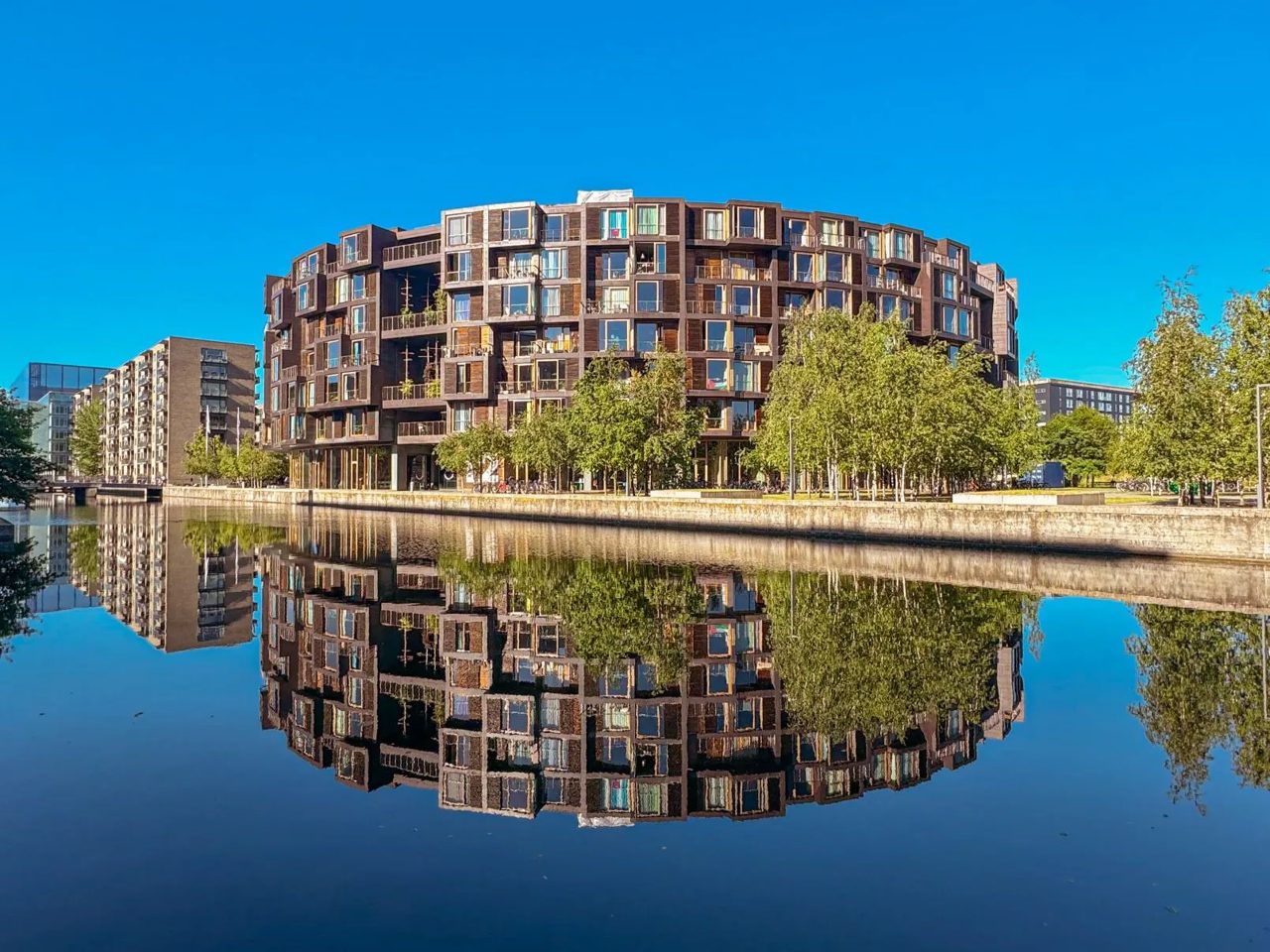
Skyrocketing rents and multi-year waiting lists for student accommodation in Copenhagen are forcing young residents and international arrivals to rely on informal networks and substantial savings to secure housing.
Copenhagen’s housing market continues to present severe financial and logistical barriers for students and young professionals, with average studio rents significantly outpacing state support. An average studio apartment in the Danish capital now costs 9,900 kroner a month, far exceeding the 7,426 kroner provided by the state educational grant, known as SU.
Consequently, Danish students and international arrivals frequently face waiting periods of one to two years for state-subsidised student accommodation. Those without established local networks often resort to short-term sublets, temporary housing, or commuting from outside the city while navigating complex bureaucratic requirements.
This structural shortage has profound implications for the local economy and labour mobility. High upfront costs, including deposits that can reach 45,000 kroner, lock out lower-income residents and deter international talent from settling long-term in the Danish capital.
Navigating a tight market
The private rental sector offers limited relief, with major property management firms such as Balder, DEAS, Heimstaden and Kereby dominating available listings. However, tenants dealing with these large rental companies often find their substantial deposits entirely consumed by mandatory refurbishment fees upon moving out.
As a result, securing stable housing increasingly depends on informal networks rather than traditional market mechanisms. Many residents ultimately find affordable, long-term housing through andelsboligforeninger, or housing cooperatives, purchasing units directly from acquaintances to avoid exorbitant market rates.
For those entering the market, experienced residents advise broadening the search to suburbs along Copenhagen’s S-train commuter lines. Utilising dedicated platforms like Boligportalen or temporary solutions like Startup Housing on Vesterbro can provide crucial bridging options, though scam risks remain high without in-person viewings.
The Copenhagen experience reflects a broader European urban challenge, where housing supply fails to match demographic demand. Until new construction or policy interventions address the deficit, young residents will continue to face steep financial hurdles to establish roots in the city.