Paris closes Seine swimming sites after illegal heating oil discharge
The dumping of 3,000 litres of heating oil into a municipal drain has forced the closure of popular Parisian swimming sites, highlighting the ongoing challenges of managing urban water quality and environmental enforcement.
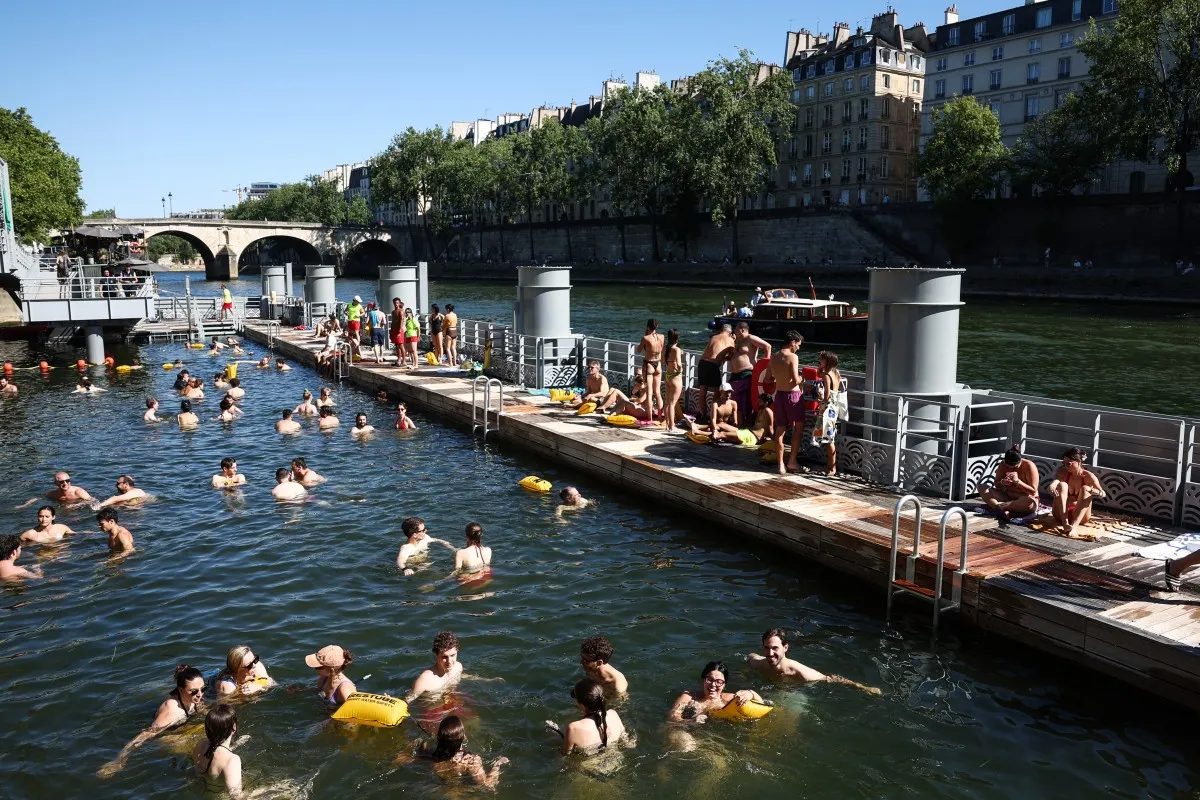
Paris has closed its Bras Marie and Bercy swimming sites on the Seine due to a significant drop in water quality. City authorities traced the contamination to an illegal discharge of approximately 3,000 litres of heating oil into the sewer system in Saint-Maur-des-Fossés, located in the Val-de-Marne department.
The pollution has already disrupted public access across multiple locations. The Maisons-Alfort swimming area was forced to shut down over the weekend as the contaminant spread. While the third site at Grenelle currently remains open, it is scheduled to close between August 1st and 9th for open water swimming competitions.
Municipal officials warn that the cleanup will not be immediate. The Paris mairie stated that "the oil slick is moving very slowly into the Seine," making it impossible to predict when the affected sites will safely reopen. A spokesman emphasized that "as soon as there is any cause for concern regarding the measurements we carry out continuously, we close the pools immediately."
Investigations are actively underway to identify and prosecute those responsible. The city noted that "the fuel, which probably came from the emptying of a tank, was simply dumped into a municipal drain." This deliberate act of pollution directly disrupts the city's recent investments in public river access.
The incident tests the resilience of Paris’s renewed commitment to urban swimming. The city reintroduced these free swimming sites at the start of the summer following their initial launch in 2025. While closures are typically associated with heavy rainfall, this event underscores the vulnerability of public water infrastructure to deliberate negligence.
For European cities aiming to reclaim urban waterways for public recreation, the episode serves as a stark reminder of the enforcement required. Daily water testing and real-time public reporting are now essential operational costs. Maintaining public trust depends not only on infrastructure but on the rigorous prosecution of environmental violations.