Wildfire in Pelayos de la Presa Destroys Homes and Local Livelihoods
As evacuation orders are lifted in the Spanish municipality of Pelayos de la Presa, residents face a years-long rebuilding process that threatens the local tourism-dependent economy and leaves at least 15 families without primary homes.
Evacuation orders were lifted on Tuesday for Pelayos de la Presa, allowing residents to return to a municipality scarred by a severe wildfire. The blaze advanced from the San Juan reservoir area, devastating properties and disrupting a community of 3,000 people.
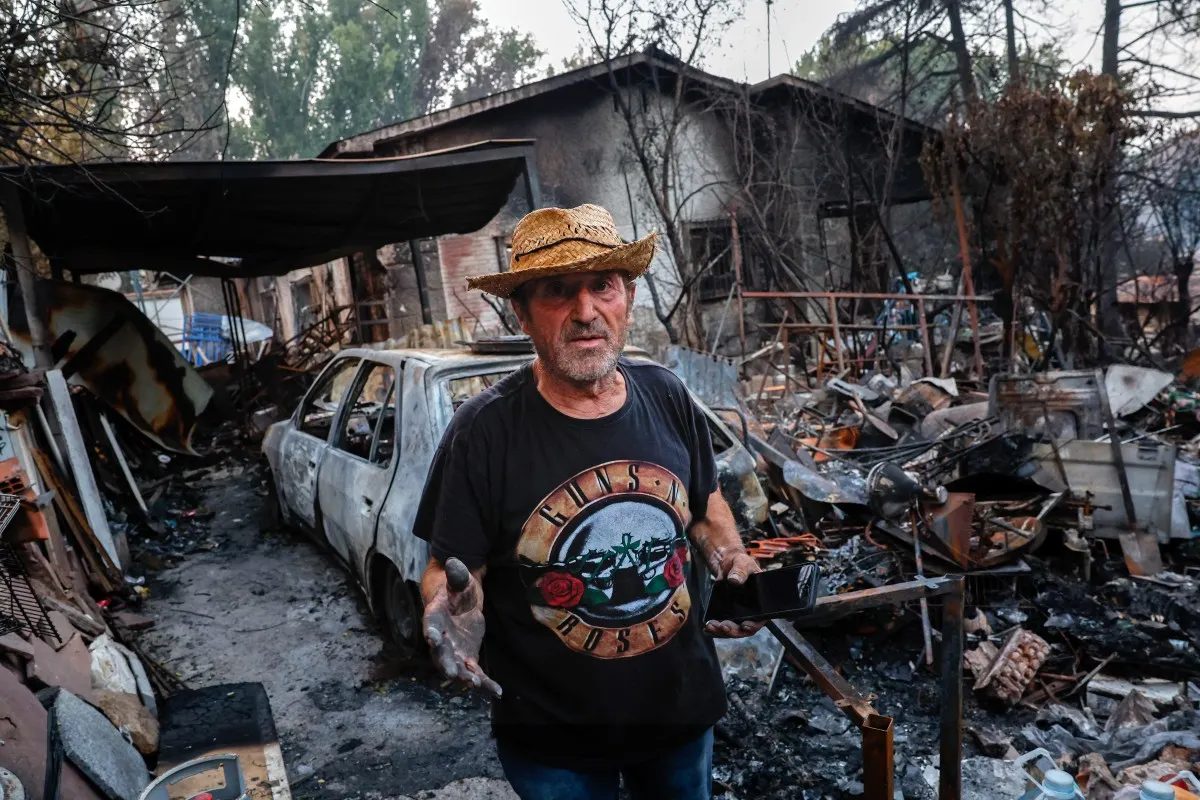
Among the returning residents is 74-year-old Fernández, who found only burnt furniture, half-collapsed walls and mountains of ash where his home of 35 years once stood. He initially refused to evacuate when a Civil Guard officer rudely told him to leave, responding, "You don't know what you're doing. I'm a 74-year-old man and I'm here standing my ground."
Fernández noted that he had put out fires with buckets since childhood, but he was ultimately forced to leave. He returned days before the latest wave of returns to walk around the plot and assess everything he had lost.
The destruction extends beyond residential housing to the essential tools of local livelihoods. Fernández lost a refrigerator and chairs from his former bar, a construction van, and plumbing equipment used for repairing household appliances.
This loss of personal capital underscores the broader economic shock facing the town. Mayor Antonio Sin described the wildfire as a "monster" and confirmed that around 15 families have lost their primary homes.
The immediate priority for local authorities is rehousing these displaced families, with the town hall already offering temporary accommodation. However, the path to recovery will be protracted, as the mayor noted that assessing priorities and rebuilding will take years.
The municipality historically relies on tourists drawn to the water and natural beauty of the reservoir area. The unpredictable behavior of the fire and wind, which left blackened houses standing directly beside untouched ones, complicates recovery and urban planning.
For residents like Fernández, survival currently depends on municipal support and the rallying of friends and neighbours. The disaster represents a profound local economic setback that will require sustained public and private investment to overcome.