Evacuees return as Spain and France wildfires stabilise ahead of new heatwave
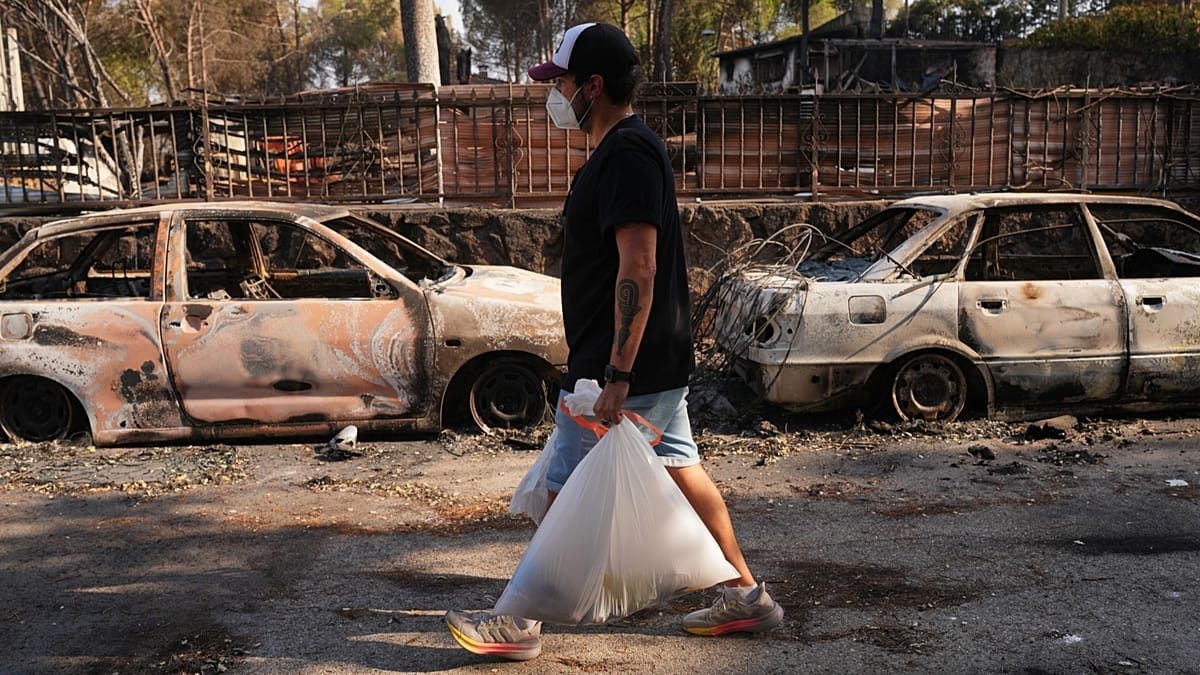
As tens of thousands of residents return home following record-breaking wildfires in Spain and France, an incoming heatwave threatens to reignite the blazes and compound severe economic damage across the continent.
Thousands of residents in the Madrid region returned home on Wednesday after authorities lifted evacuation orders for municipalities west of the capital. Central government delegate Francisco Martin Aguirre stated on X that "24,000 evacuated individuals have been able to return to their homes, and another 20,000 have been released from confinement in the Community of Madrid."
Regional President Isabel Díaz Ayuso noted the situation was "improving little by little" as overnight weather shifts aided firefighting teams. However, crews in the Valencia province of Castellon continue to battle advancing flames near Artana and Eslida amid high temperatures and difficult terrain.
The sheer scale of the destruction presents a severe economic shock to southern Europe, threatening regional agriculture, forestry, and local infrastructure. A total of 207,000 hectares have burned across Spain between January and July, marking the highest recorded figure for this period according to the European Forest Fire Information System, though Spanish authorities report marginally different figures.
Neighbouring France has seen 92,000 hectares burn, the largest area lost in two decades. President Emmanuel Macron described the blazes as the country's worst crisis since the Second World War, highlighting the unprecedented strain on national resources, emergency services, and regional economies.
In the heavily impacted Gironde prefecture near Bordeaux, authorities reported a stable fire line following a calm night. Yet, the region remains under an orange-level warning alongside Landes as a new heatwave approaches.
Inland temperatures are forecast to hit 41 degrees Celsius, with coastal areas reaching 38 degrees, accompanied by wind gusts of up to 45 km/h that could reignite the flames. Gironde fire chief Lieutenant Colonel Eric Pitault warned that Wednesday "will be an important day that we will be watching very closely, given the extreme temperatures we are going to have."
These extreme weather events underscore a broader structural risk for the European economy. The European State of the Climate 2025 report identifies Europe as the fastest-warming continent, with temperatures rising at roughly twice the global average.
For markets, companies, and investors, this shifting environmental baseline signals that the economic costs of disaster recovery and asset protection will become a permanent, compounding factor. As heatwaves occur earlier and later in the year, businesses across the continent must increasingly price in the long-term financial risks of extreme weather.