Russell T Davies highlights palliative care value following husband’s brain tumour death
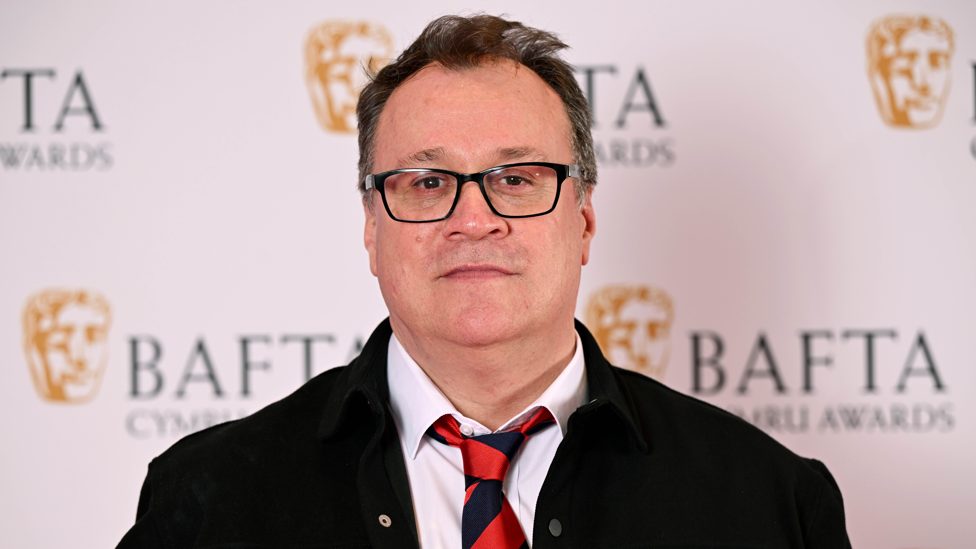
The acclaimed screenwriter’s public reflection on his husband’s eight-year cancer battle underscores the vital role of charitable end-of-life care in supporting individuals and families.
Screenwriter Russell T Davies has spoken publicly about the death of his husband, Andrew Smith, describing it as his "greatest loss". Smith died in September 2018 following an eight-year battle with glioblastoma multiforme, a malignant brain tumour.
Speaking on the On the Marie Curie Couch podcast, the writer behind Doctor Who, Tip Toe and Channel 4’s It’s a Sin recounted the couple’s initial shock. Smith attended what the couple thought was an "ordinary meeting" alone and returned home unable to remember the specific type of cancer he had been diagnosed with.
The severity of the situation only became clear three days later when Smith found a note in his bag from a nurse specifying the glioblastoma multiforme diagnosis. Davies subsequently researched the condition, immediately realising the profound seriousness of the prognosis.
This personal account highlights the critical function of charitable healthcare networks in the public sphere. Davies noted that medical professionals advised it was acceptable for Smith to remain unaware of his grim prospects, provided a close family member understood the reality.
Despite an initial prognosis of just 18 months to live, Smith survived for eight years. Davies described this extended survival as "amazing", attributing part of the resilience to his husband’s deliberate choice to avoid focusing on the statistical outlook of the disease.
For the broader cultural sector, such reflections draw attention to the hidden personal tolls borne by creative professionals. The reliance on charities like Marie Curie also points to the ongoing societal need for comprehensive, accessible end-of-life care.
The screenwriter paid specific tribute to the nurses who provided support during the final weeks of Smith’s life. He described their presence as akin to having a "saint visiting the house", emphasising the irreplaceable value of specialised palliative support.
Davies recalled holding his husband’s hand at the moment of his death at home, alongside his sister. He stressed that being able to pass away in a familiar environment was "very important" to the family’s experience.