Ukraine's EU bid to force major farm subsidy overhaul
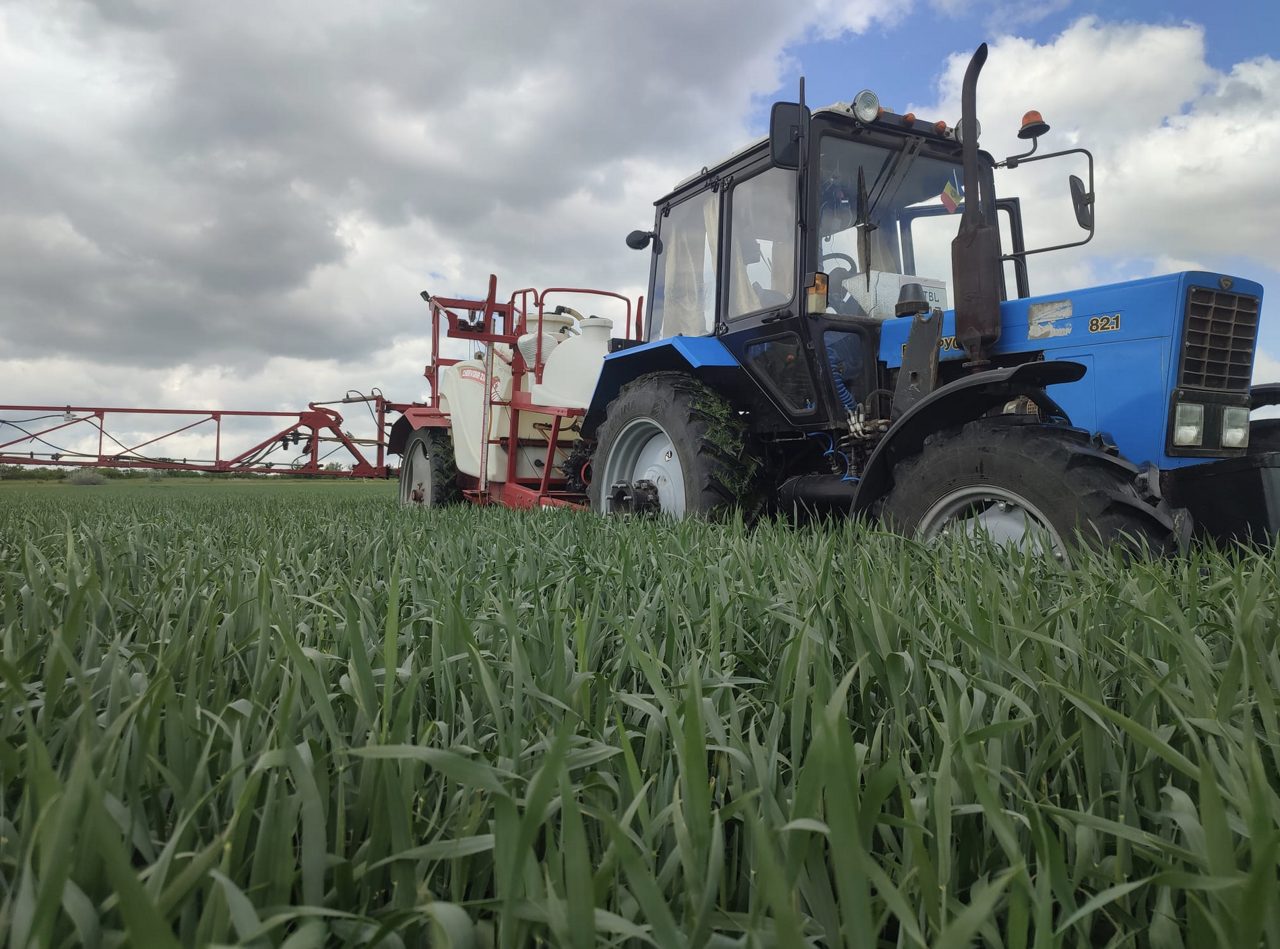
Ukraine’s path to EU membership, bringing twice the arable land of France, threatens to destabilise European agricultural markets and will require a fundamental reform of the bloc’s farming subsidies.
Ukraine’s bid to join the European Union is setting up a collision course with the continent’s farming sector. With 32 million hectares of usable agricultural land—twice the 17 million hectares of arable land in France—Kyiv’s accession would instantly make it the bloc’s top producer of cereals and oilseeds. The sheer scale of this integration means the EU cannot simply tweak its existing Common Agricultural Policy (CAP) to accommodate it.
The agricultural chapter of accession “is considered among the most difficult in the EU accession process,” according to researcher Elsa Régnier in a 2024 SciencesPo study. The European Commission has similarly acknowledged that Ukraine and Moldova “will need time and effort,” noting the EU “must ensure that its policies, including the CAP, are fit for an enlarged Union.”
Ukrainian agriculture has already proven remarkably resilient, supported by uniquely fertile soil. In central Ukraine, the humus layer “can reach up to one metre in thickness, which is extraordinary,” explains researcher Mykhailo Mulenko. Despite Russian forces destroying processing factories in Kharkiv and blockading the port of Odesa—which handled over 80 percent of agricultural exports—the sector survived by establishing new rail and sea routes through nations like Romania and Poland.
This logistical resilience has already triggered protectionist backlash from neighbours fearing market destabilisation. Hungary, Poland and Slovakia have all imposed bans on Ukrainian imports. Dănuț Andruș, a Romanian farmer who previously protested against Ukrainian products, captures the uneasy truce: “I don’t think it’s good, because it will destabilise the market, but every people has the right to do what it wants; if they comply with the rules, I have no problem.”
Historically, the EU managed major agricultural expansions through price adjustments or phased rollouts. The 1986 accession of Spain and Portugal increased the bloc’s agricultural land by 30 percent, while the 2004 and 2007 enlargements added 44 percent. Including Ukraine, Moldova and the Balkans would represent a 28 percent increase. However, Yves Le Morvan of the Agrillées think tank argues a minor adjustment will not work this time. “Ukraine is not Poland; it has an agricultural economic model inherited from the former Soviet Union, with land ownership structures and business forms that are external to the EU system,” he explains.
For European policymakers, the looming enlargement is both a geopolitical necessity and an economic puzzle. While Ukrainian farmers like Volodymyr Rever from Lviv insist “we will adapt,” the onus is on Brussels to design a CAP framework capable of absorbing a massive agricultural powerhouse without disrupting its existing internal markets.