US ends North American trade pact and imposes 50 percent tariffs on Canada
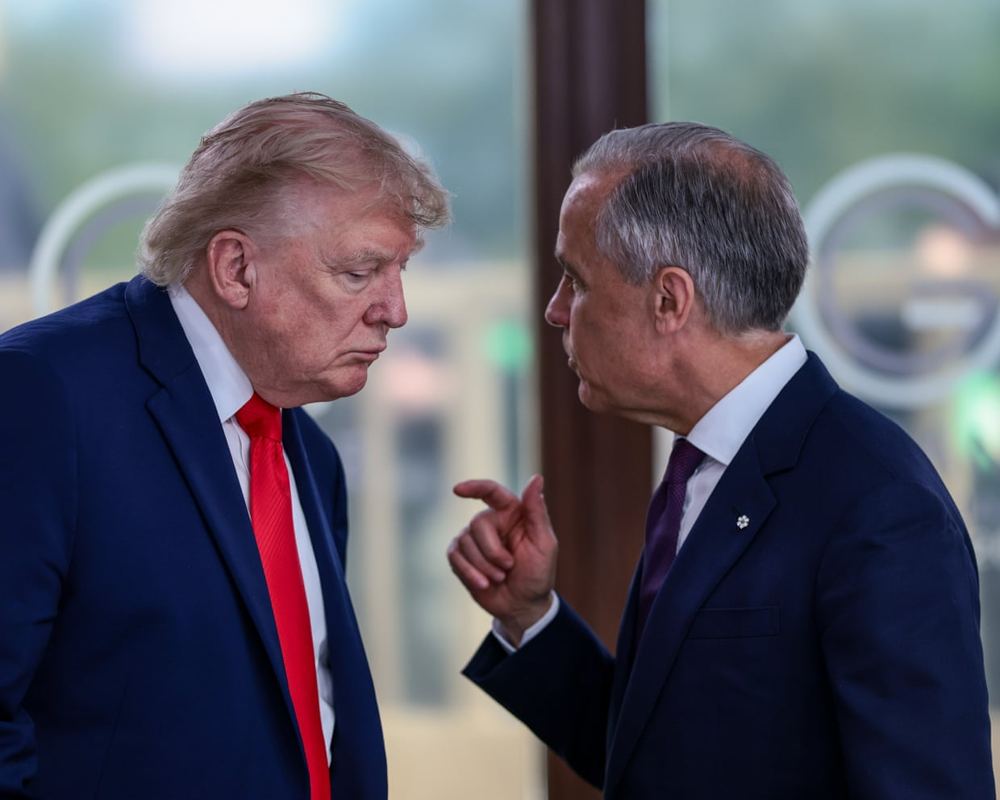
Washington has refused to renew its long-term free trade agreement with Ottawa and imposed steep new levies, creating severe supply chain uncertainty for global markets.
The United States has declined to extend its free trade agreement with Canada and Mexico for another 16-year term, shifting the pact to annual renegotiations. Concurrently, the White House announced tariffs of up to 50 percent on a selection of Canadian goods, including items previously shielded by the treaty.
While Washington recently applied levies of around 10 percent to dozens of other nations following its April 2025 Liberation Day tariffs, the 50 percent rate targets Canada specifically. The administration framed the move as retaliation for Canadian trade practices, though it deliberately kept the affected export list narrow to limit domestic consumer impact.
For European investors and multinational corporations, this escalation highlights the fragility of established trade architectures. The shift from a stable multi-year treaty to annual renegotiations introduces profound regulatory uncertainty. This complicates long-term capital allocation and cross-border supply chain planning, forcing companies to price in continuous geopolitical risk when operating in North America.
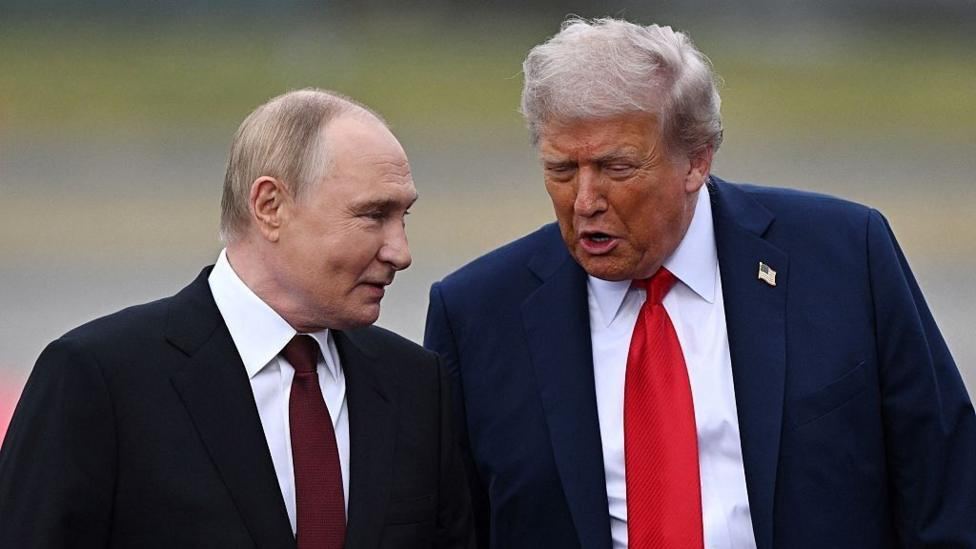
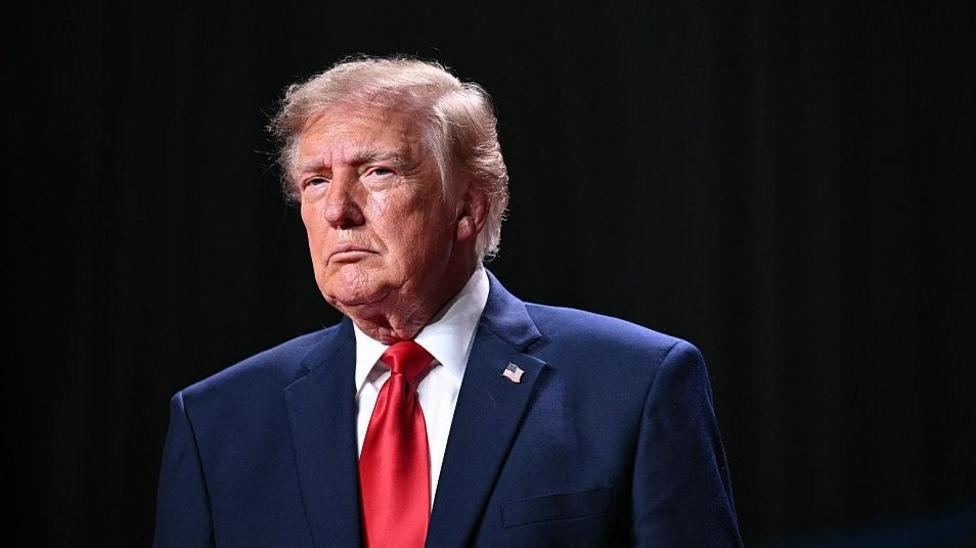
The trade friction is further complicated by President Trump’s repeated suggestions of annexing Canada through economic force rather than military action. This rhetoric has fundamentally altered Canadian domestic politics. It helped Prime Minister Mark Carney and the Liberal party secure an election victory last year by positioning themselves as defenders against American coercion, replacing Justin Trudeau.
The new tariffs disproportionately affect the manufacturing hubs of Ontario and Quebec, as well as British Columbia, which have adopted confrontational stances toward Washington. Conversely, the resource-dependent western provinces of Alberta and Saskatchewan were largely spared, reflecting a fragmented national response to the pressure.
This regional divide complicates the ability of Ottawa to retaliate. Carney faces pressure to respond to the levies to maintain domestic political support, but imposing countermeasures like an oil export tax could inflame separatist sentiments in Alberta. Voters in that province will decide on an independence referendum this fall.
The 50 percent duties will take effect in several weeks, and Canada has yet to formalize its response. While Carney has made some concessions, such as scrapping a planned digital tax that angered American technology companies, he dare not go too far.
Washington cites legitimate grievances regarding Canadian trade barriers and chronic defence underinvestment. However, the aggressive nature of the tariffs leaves Ottawa with little political room to concede. Caving to American pressure remains toxic for Canadian voters, ensuring a prolonged and increasingly hostile trade dispute.