Kazakhstan decentralises tourism to build a regional creative economy
By shifting major cultural and sporting events away from its largest cities into remote national parks, the nation is attempting to build a decentralised creative economy that keeps international visitors longer.
Kazakhstan hosted tens of thousands of international attendees at regional music and sporting festivals this summer, marking a strategic pivot to decentralise its tourism sector. Event organisers are shifting focus away from major urban centres, turning remote natural landscapes into primary venues for a new creative economy.
This strategy aims to shift the economic model away from standard sightseeing by designing itineraries that prompt travellers to explore deeper into the country and extend their visits. For international investors and event companies, the expansion signals new opportunities in Central Asia's growing experience and sustainable travel markets.
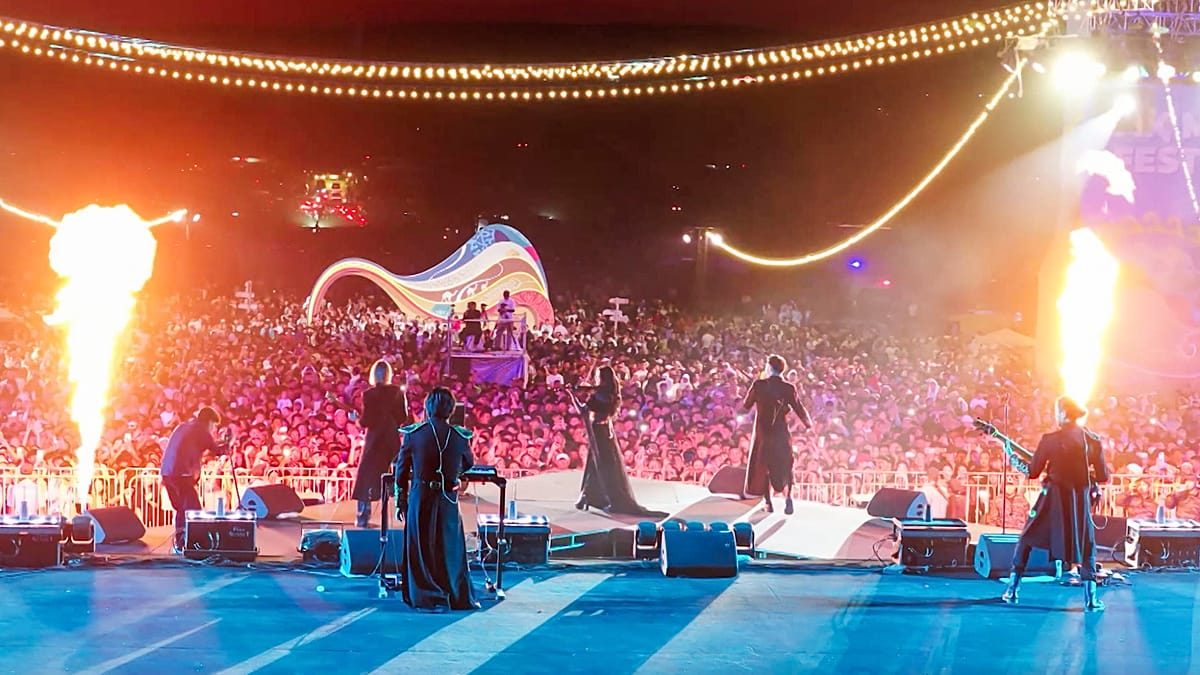
In the eastern mountain district of Katon-Karagay, the Altai Fest recently drew 50,000 attendees to honour the shared heritage of Turkic populations, concluding with a performance by Dimash Qudaibergen. Meanwhile, the August Ak Maya Festival in the Mangystau region used dramatic desert gorges to highlight the traditional production of shubat, a fermented camel's milk drink, while promoting sustainable travel.
The Zhetysu region, known as the Land of Seven Rivers, recently hosted the Paragliding World Cup, drawing approximately 150 pilots from 33 nations. World champion David Virshki and his father Igor Virshki organised the competition to establish the area as a global aviation sports hub.
David Virshki noted that competitors find the local terrain unique compared to European alternatives. "It was always my dream to have such an event at my local site because our nature is very pristine and wild," he said. "Pilots tell me these landscapes are something they don't have in Europe."
Goran Dimishkovski, President of the Paragliding World Cup Association, highlighted the broader economic multiplier effect of such gatherings. "We are doing this quite often. There are famous festivals like this in France, in the United States and many other places," Dimishkovski said. "They become a reason for people to gather, while many other activities grow around them."
This modern approach builds on the foundation of Nauryz, the ten-day March festival recognised by UNESCO that already draws massive domestic participation to celebrate the spring equinox. By leveraging diverse assets ranging from the blooming of the wild Sievers apple to international sporting competitions, the country is attempting to capture a larger share of the global experience economy.