US defense bill advances deeper integration with Israeli defense industry
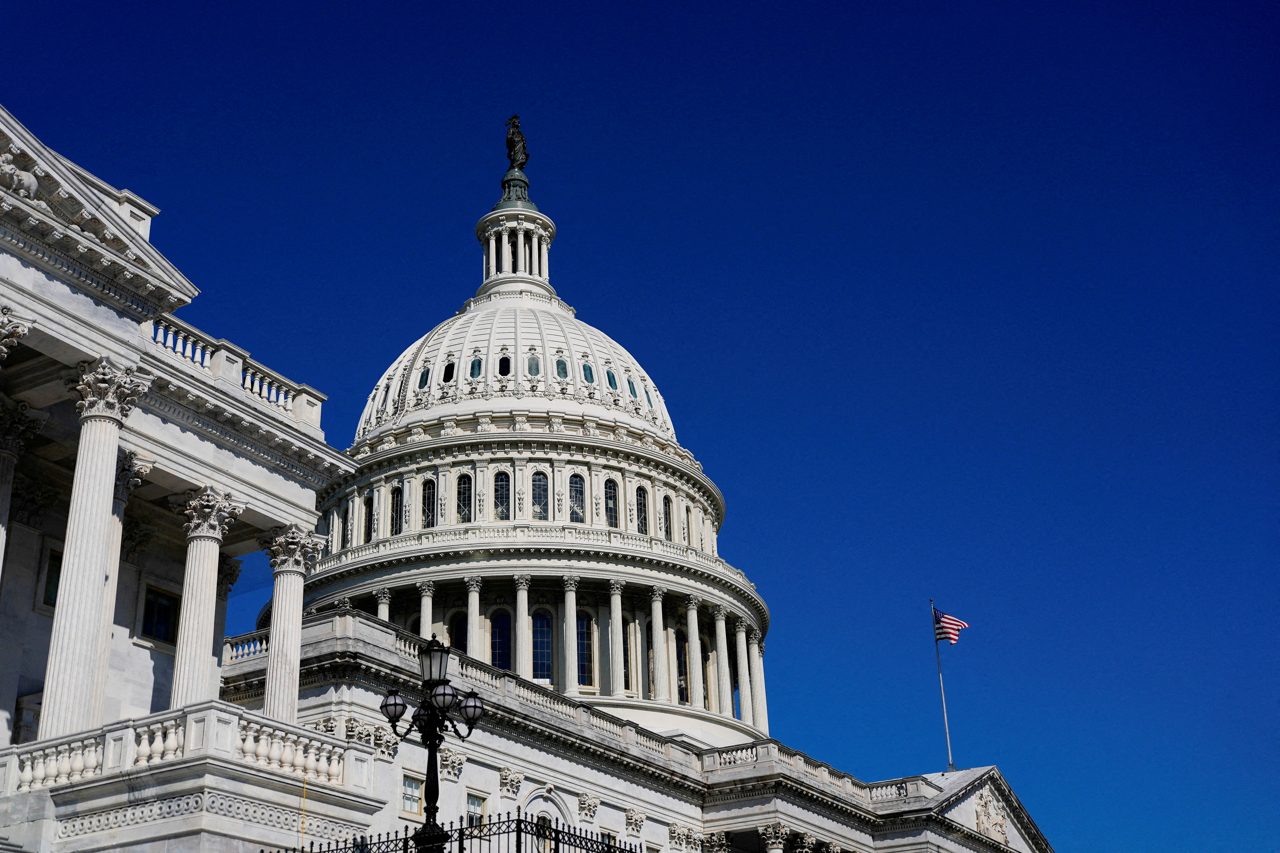
The US House of Representatives has advanced a defense bill that formally integrates the American and Israeli defense industrial bases, signaling a major shift in transatlantic security cooperation and defense procurement that will ripple through global military markets.
The US House of Representatives passed its version of the National Defense Authorization Act last week, retaining a provision to deeply integrate the American and Israeli defense industrial bases. The measure, designated as Section 219, establishes a new executive agent within the Pentagon specifically tasked with identifying and advocating for joint production opportunities.
This legislative move represents a structural shift in how Washington and Jerusalem manage security cooperation. While the two nations have previously co-produced defensive systems like the Iron Dome, this provision broadens the scope and institutionalizes the partnership at the highest levels of the US defense establishment.
For European defense markets and investors, this development highlights a tightening of the Western military supply chain. As Washington formalizes these joint production channels, European defense contractors may face altered competitive dynamics when bidding for American contracts or supplying components to the broader alliance.
Supporters argue the measure streamlines accountability and improves the efficiency of bilateral defense projects. House Armed Services Committee Chair Mike Rogers stated the provision “actually improves oversight and accountability of these programs by designating a single official responsible for them.”
Critics warn the integration could bypass traditional congressional scrutiny and obscure the flow of military resources. Elias Yousif of the Stimson Center noted that traditional foreign military aid requires explicit congressional approval, whereas co-production operates in a more ill-defined regulatory environment.
Yousif added that this ambiguity allows the executive branch to navigate regulations more easily. John Ramming Chappell of the Center for Civilians in Conflict questioned the strategic value for Washington, arguing the expansion gives Israel greater leverage and complicates accountability as bilateral priorities diverge.
The legislation still faces significant hurdles in the Senate, where its equivalent measure is classified as Section 1217. Several Democratic senators have demanded debate on the provision before allowing a vote on the broader defense bill, leaving the legislative next steps unclear.
Chappell expects House and Senate stakeholders to eventually negotiate a compromise that likely preserves some form of the integration measure. Meanwhile, Yousif suggested lawmakers must force the administration to close regulatory gaps and mandate stricter transparency to prevent the executive branch from circumventing oversight.