Nolan’s three-hour Odyssey draws millions without an interval, challenging opera norms
Christopher Nolan’s 180-minute film The Odyssey is drawing millions of viewers without an interval, highlighting a shift in consumer endurance that contrasts with the traditional operational model of the European live performance sector.
Christopher Nolan’s film The Odyssey is achieving massive global popularity despite its highly demanding runtime and length. Millions of audiences worldwide are enduring the 180-minute epic without a single interval, a consumption pattern that diverges significantly from traditional live performance models.
This shift in viewer tolerance carries significant implications for the cultural economy and the live arts sector. The operatic canon, a cornerstone of European cultural infrastructure, has never required an uninterrupted viewing period as long as Nolan’s film. Even Richard Wagner’s Das Rheingold, known for its scale, limits a single session to two and a half hours.
The structural differences between these mediums fundamentally affect how cultural institutions manage audience experience and venue revenue. Cinema maximizes continuous engagement, utilizing Ludwig Göransson’s score and Callum Armstrong’s aulos performance to maintain momentum without pauses. Conversely, opera relies on scheduled intervals to break up the performance, a model that supports ancillary spending in venues but requires audiences to commit to a different pacing.
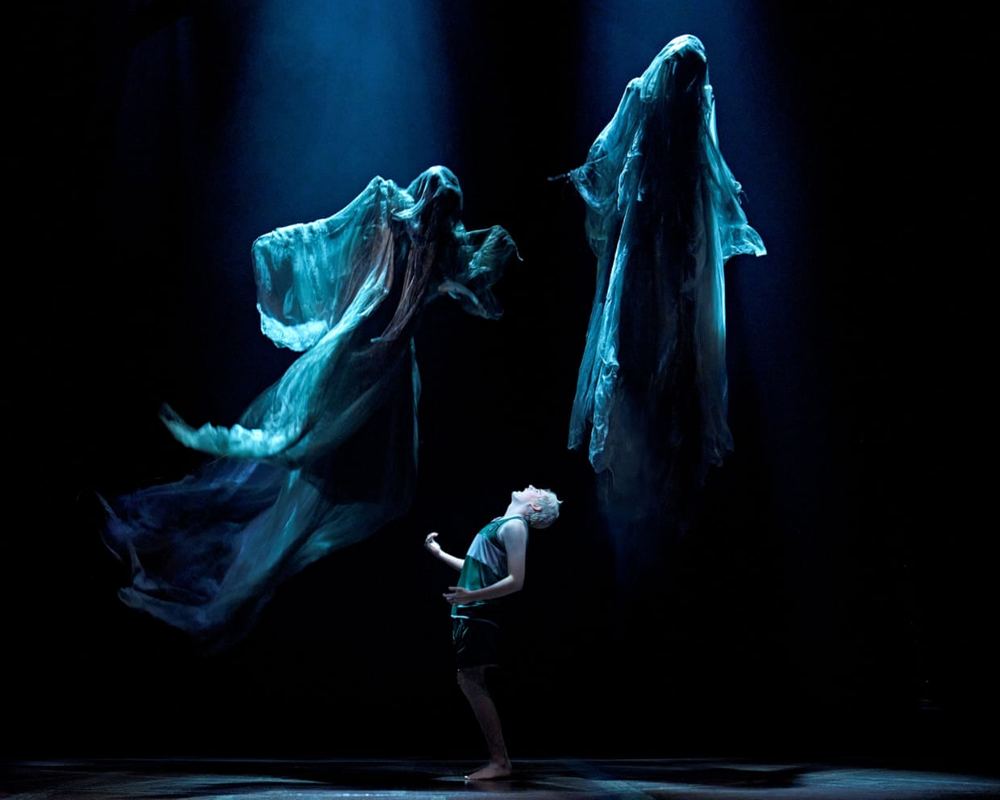
Both sectors heavily utilize ancient Greek mythology as intellectual property, with Nolan’s film featuring Robert Pattinson and Samantha Morton alongside Ludwig Göransson’s score. The opera market offers a vast catalog of similar mythological adaptations, including Richard Strauss’s Elektra, Mozart’s Idomeneo, Purcell’s Dido and Aeneas, and Hector Berlioz’s Aeneid adaptation. Additional works in this genre include Harrison Birtwistle’s The Minotaur, Gluck’s Telemaco, Handel’s Teseo, and Tom Smail’s forthcoming The Odyssey.
The commercial success of Nolan’s marathon runtime suggests that modern consumers are increasingly willing to engage with extended, uninterrupted narratives on a regular basis. This presents a strategic consideration for European opera houses, which must compete for audience time and attention in a market where three-hour cinematic commitments are rapidly becoming normalized.