Iberian climate extremes destroy infrastructure and strain European emergency resources
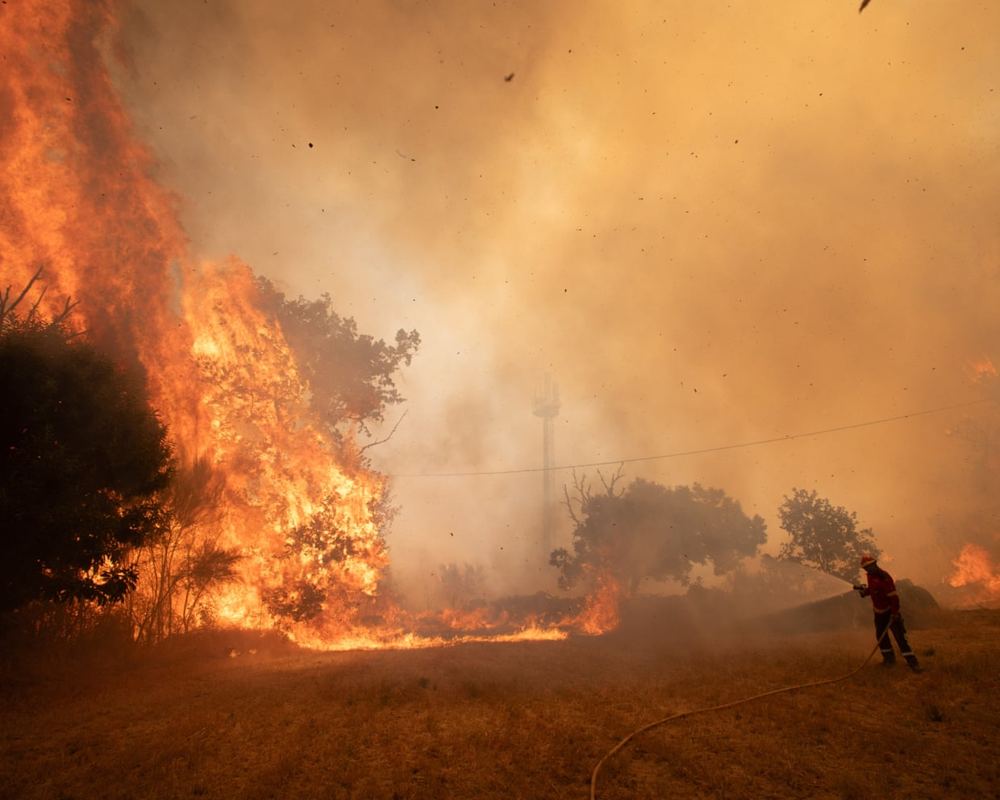
Mass evacuations and widespread destruction across the Iberian peninsula highlight the severe physical and economic toll of Europe's accelerating climate crisis.
Wildfires and extreme weather across the Iberian peninsula have forced the evacuation or confinement of approximately 330,000 people since last week. The physical destruction highlights the accelerating economic and infrastructural toll of the climate crisis on the European continent.
Europe is currently the fastest-heating continent, warming at more than twice the global average. The Iberian peninsula has become the primary frontline for these escalating environmental shifts, presenting severe risks to regional stability, property, and public resources.
In the autumn of 2024, severe blazes razed 100,000 hectares across northern and central Portugal. The fires killed nine people, injured dozens, and destroyed homes and vehicles in municipalities like Albergaria-a-Velha.
João Oliveira, the head of the civil protection agency in Albergaria-a-Velha, noted the unprecedented nature of the disaster. “The amount of energy the fire created, the amount of damage it did and the intensity and violence of the fire, were something we’d never seen before,” he said.
Just weeks later, eastern Spain faced catastrophic flooding in the Valencia region. Waters reached heights of three metres in towns like Utiel and Chiva, killing more than 230 people and leaving a thick carpet of mud over ruined infrastructure.
Local residents described desperate scenes as floodwaters poured into homes, trapping and drowning occupants. The sheer scale of the destruction in Valencia underscores the mounting financial and human costs of failing to adapt to extreme weather events.
The crisis is rapidly spreading beyond the peninsula. Eleni Myrivili, the UN’s global chief heat officer, warned in 2021 that “heat will be the story of the next decade,” a prediction now visible as temperatures in Athens approach those of Bahrain.
Southern Europe is bearing the brunt, but northern capitals are also feeling the strain. In the southern suburbs of Paris, a record-breaking May heatwave pushed a top-floor school classroom to 40C, disrupting daily life and highlighting the economic cost of inadequate urban insulation.
More recently, flames forced mass evacuations west of Madrid to municipal sports centres. Residents described an apocalyptic orange sky, illustrating the persistent threat to Spain's central regions and the continuous drain on national emergency budgets.
The human toll remains devastating. In the north-western town of Tábara, 53-year-old builder's yard owner Ángel Martín died after suffering burns to 80 percent of his body while attempting to dig a firebreak to protect his community from the Sierra de la Culebra wildfires.
His friend Montse Fernández Blanco reflected on his sacrifice, stating, “We still talk about him a lot.” She added, “The thing is he would have done it again because that’s what he was like.”
Despite these compounding disasters, political point-scoring and denial continue to hamper preparation efforts. For European investors and policymakers, the repeated destruction of physical assets signals an urgent need to price climate risk into long-term economic planning.