German renewables overtake fossil fuels as negative prices drive curtailment
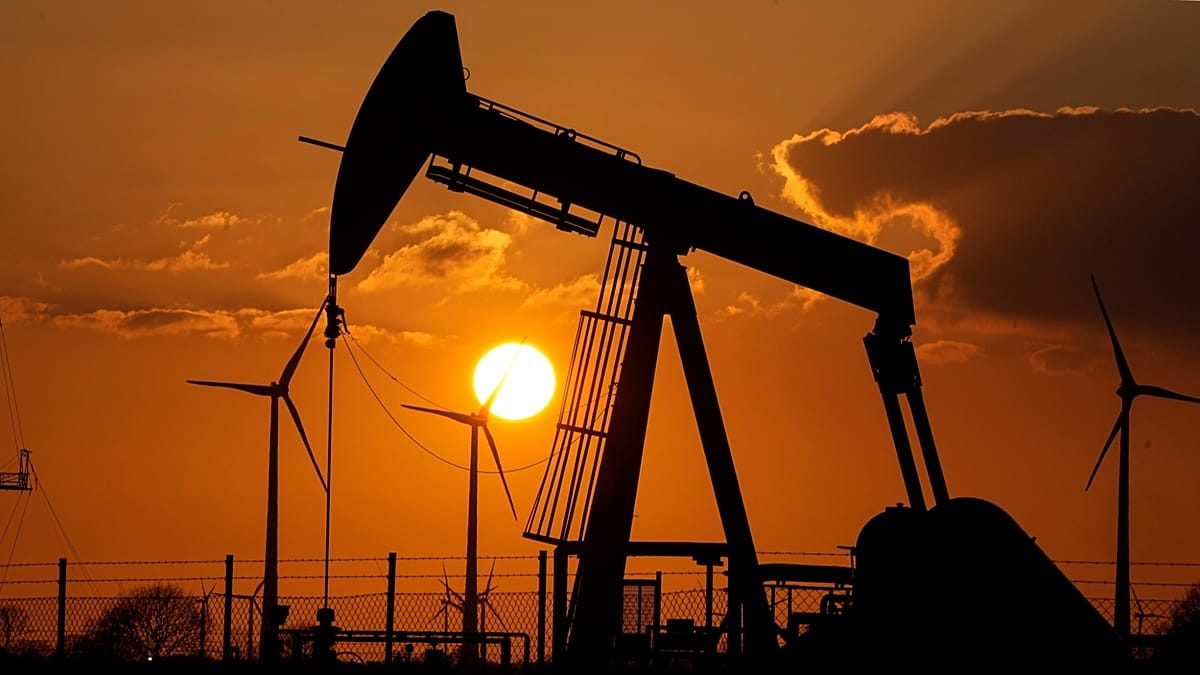
Wind and solar power generated more electricity than fossil fuels in Germany last year, but regulatory changes and lagging infrastructure are creating severe market distortions for investors.
Wind and solar power generated 44 per cent of Germany’s electricity in 2025, overtaking fossil fuels by a single percentage point. Coal’s share of the national grid fell to 21 per cent from over half its historical supply. Experts now predict the country will eliminate coal generation well before its official 2038 target.
This generation milestone masks severe underlying market distortions that complicate the investment landscape. Inflexible renewable output frequently outstrips demand, driving a surge in commercial curtailment. Operators intentionally switched off or reduced wind and solar output by 1,463 gigawatt hours in the first half of 2026. This represents a 20 per cent increase from the 1,216 gigawatt hours recorded in the same period last year.
The regulatory environment is actively encouraging this behaviour. The Solar Peak Act, introduced last year, strips newly built renewable assets of their guaranteed subsidy top-ups whenever wholesale prices turn negative. Energy market intelligence firm Montel notes this policy has created a “much sharper commercial incentive” for operators to halt production rather than sell power at a loss.
Efforts to balance this supply surge by boosting electricity demand have also faced political setbacks. The cabinet recently dropped a draft law requiring new heating systems to run on at least 65 per cent renewable energy. The green party condemned the reversal as a “complete abandonment of Germany’s climate targets”.
Despite the policy failure, consumer behaviour is shifting due to external geopolitical pressures. Volatile gas prices, exacerbated by Iran’s stranglehold on the Strait of Hormuz, drove heat pump sales to 299,000 units last year, capturing 48 per cent of the new heating market. The European Heat Pump Association reports German heat pump sales rose 34 per cent in the first quarter of 2026 compared to the previous year.
Aligning this growing electrification with renewable supply requires better grid infrastructure, an area where Germany is falling behind its European peers. Only two per cent of households had advanced smart meters installed in 2024. This technological lag prevents consumers from accessing flexible time-of-use tariffs that would encourage energy-intensive appliance use during periods of abundant renewable generation.