WHO warns southern Europe wildfire smoke creates a continent-wide health emergency
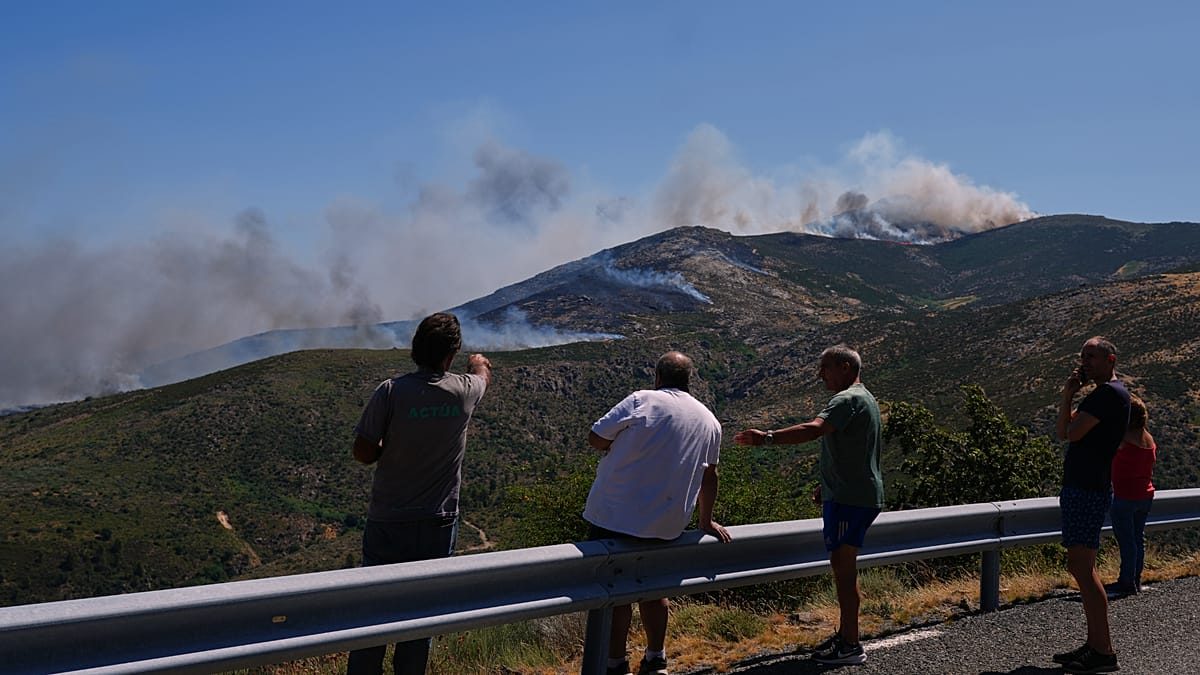
The World Health Organization warns that toxic smoke from southern Europe’s severe wildfires is triggering a continent-wide health crisis that threatens vulnerable populations and strains medical infrastructure.
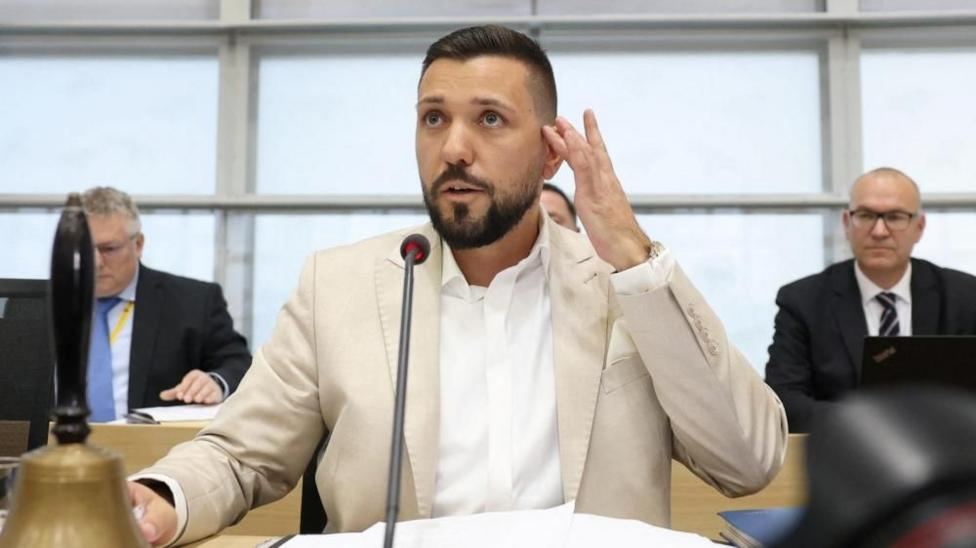
Southern Europe is currently battling some of its most severe wildfires in recent years, forcing mass evacuations and destroying infrastructure. Dorota Jarosinska, a programme manager at the WHO’s European Centre for Climate Change, Environment and Health, stated that the resulting smoke has escalated the crisis into a "true health emergency" across the continent.
Jarosinska stressed that the danger extends far beyond the immediate flames and localized destruction. She noted that toxic smoke can travel hundreds or thousands of kilometres, degrading air quality in distant, heavily populated urban centres.
The smoke contains a dangerous mixture of gases, particulate matter, and toxic pollutants released by burning plastics, electronics, and paints. Jarosinska explained that these fine particles penetrate deep into the lungs and enter the bloodstream, triggering immune responses and widespread inflammation.
While healthy individuals may only experience mild throat irritation, the impact on vulnerable demographics can be life-threatening. People with heart disease, chronic pulmonary conditions, or asthma, alongside children and the elderly, face the most severe health risks.
Current public health guidance, which largely recommends staying indoors and using high-efficiency air filters, risks leaving disadvantaged communities behind. Jarosinska argued that authorities must provide accessible clean-air and cooling spaces for those lacking such equipment, including individuals who face language barriers or lack healthcare access.
The crisis places a massive operational burden on regional healthcare systems, driving up medical costs and requiring urgent structural reinforcement. This strain affects the broader economy as workforce productivity drops and public health budgets are stretched thin. Medical professionals need specialized training to understand poor air quality and properly advise patients during these climate emergencies.
"The immediate priority is to strengthen the position of the health sector: to train people, to equip them, so that the health argument is communicated more strongly and factored into local action," Jarosinska said. This systemic shift is essential to mitigate the long-term medical and economic fallout of the continent's worsening fire seasons.