Late-night host Jimmy Fallon faces scrutiny over alleged reuse of South Park material
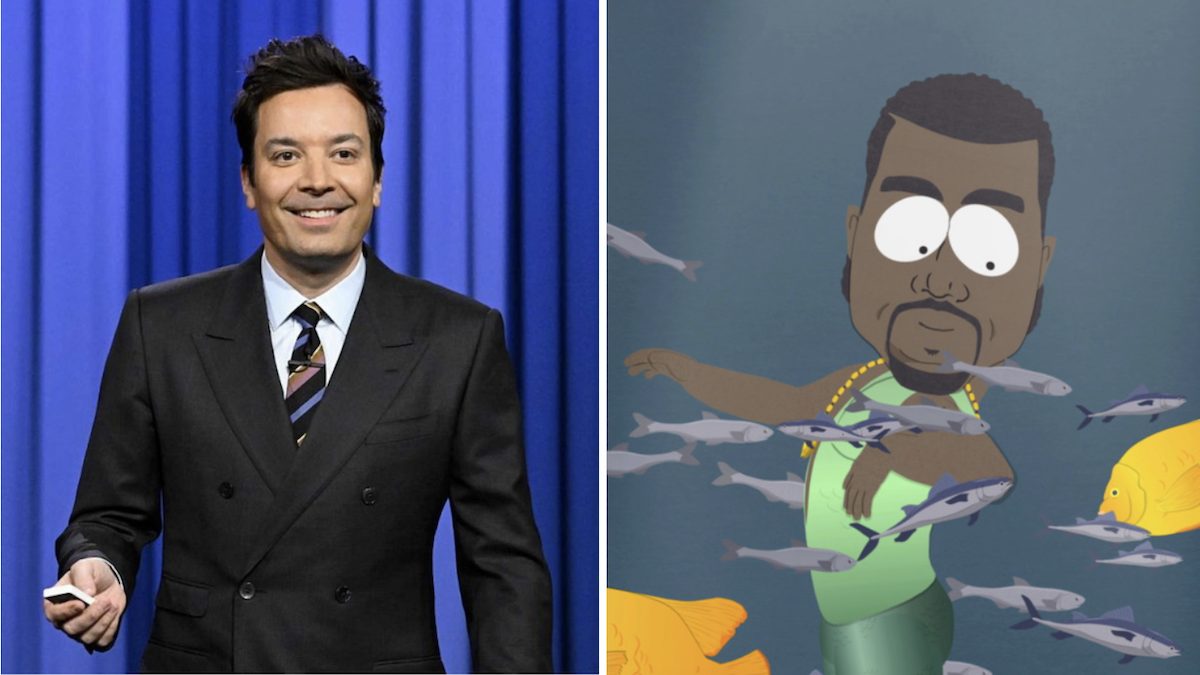
The apparent recycling of a 2009 animated series punchline by a major US television host highlights ongoing debates over intellectual property and originality in commercial broadcasting.
Jimmy Fallon has come under scrutiny after appearing to lift a famous punchline originally featured in the 2009 South Park episode titled "Fishsticks." The late-night television host recently delivered a quip relying on the phonetic similarity between "fish sticks" and "fish dicks." This specific comedic premise is deeply associated with the animated series, making the reuse funny in a meta sort of way.
The incident was quickly highlighted by media observers monitoring the late-night circuit. LateNighter noted on July 29, 2026, that the delivery might still earn the host a spot on its year-end best jokes list. This reaction highlights a recurring tension in commercial broadcasting regarding the line between homage and uncredited appropriation of established intellectual property.
The original South Park episode famously centered on the main story of Jimmy writing the quip and Cartman’s attempts to take credit for it. The meta-narrative of the episode has aged notably well over the years. Furthermore, the episode’s B-plot featured Kanye West repeatedly failing to understand the pun, even though he keeps calling himself a genius.
The origins of the gag are well documented by its creators. According to "Fishsticks" co-writer Bill Hader, the creative team came up with the pun while outdoors watching salmon spawn. To ensure the material was genuinely original at the time, Trey Parker literally googled to make sure that no one had made that joke previously.
The distinctiveness of the gag is firmly established in media history, having previously been covered by prominent publications such as The New Yorker. For European observers of the transatlantic media landscape, this incident underscores the ongoing challenges of protecting comedic intellectual property. In an industry where late-night programming relies heavily on rapid, high-volume content production, the boundaries of original writing remain a persistent point of friction for companies and creators alike.