Wes Borland abandons collaborative band model for remote solo production
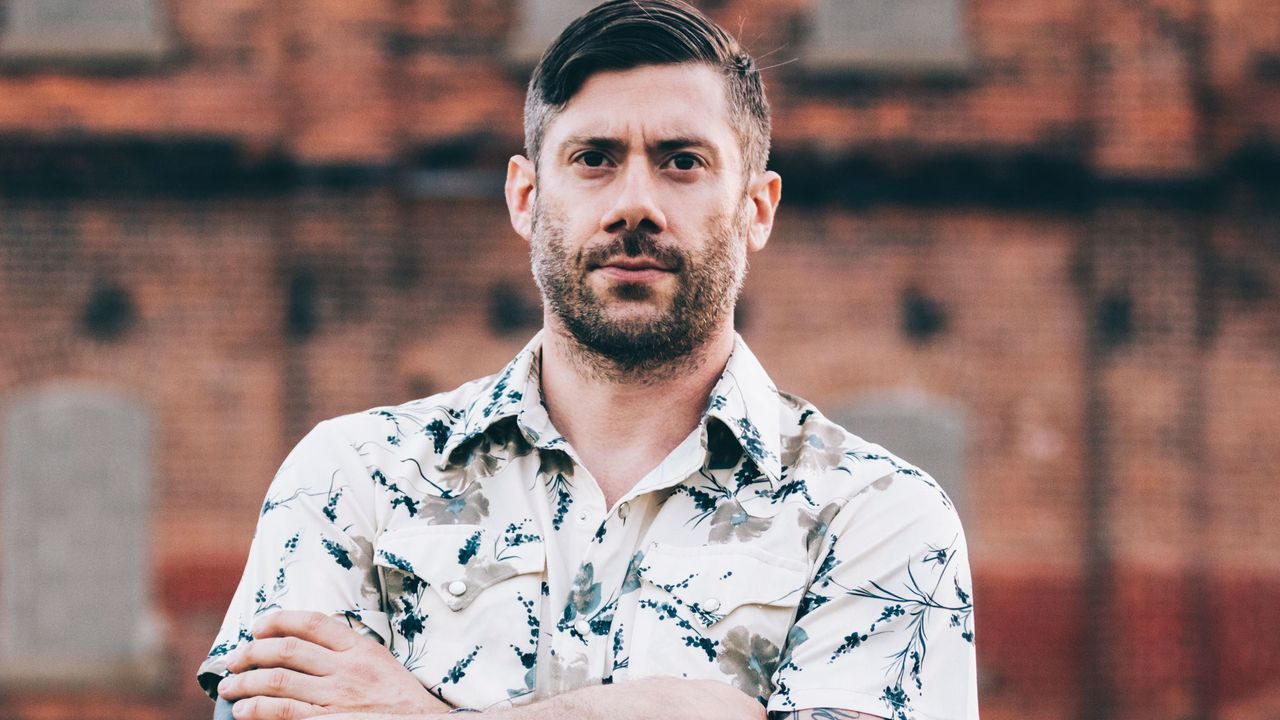
Limp Bizkit guitarist Wes Borland has released a solo electronic album created entirely in isolation, highlighting a broader economic shift in the creative sector as artists abandon expensive industry hubs and collaborative models for remote, self-funded production.
Limp Bizkit guitarist Wes Borland has released Crystal Machete, an experimental electronica album written and produced entirely in isolation at his home studio in Detroit. The project marks a definitive break from the collaborative band structures that have defined his career, signaling a shift in how modern musicians approach their craft and business operations.
Borland’s relocation from Los Angeles to Detroit underscores a growing trend of creative professionals leaving traditional, expensive industry hubs. He criticized the Los Angeles culture, noting that "every single person is always going to be doing something next and it never happens." Detroit, conversely, offers larger facilities and a revitalizing local economy, allowing him to build a studio in a 1920s ballroom with a separate billiard room for control.
The move also reflects changing labor dynamics within the entertainment sector. Borland explicitly rejected traditional band structures, citing frustration with collaborators and explaining that his schedule has been "completely muddled and destroyed by other people’s inability to have a work ethic." By operating entirely alone, he eliminates the friction and financial overhead associated with managing group projects.
This isolationist approach extends to his market positioning and future revenue streams. Crystal Machete eschews conventional vocals and electric guitar, targeting a niche audience rather than the mainstream rock demographic of his primary band. Borland views the record as a strategic calling card to transition into the film soundtrack industry, aiming to build a new, independent revenue stream.
While Borland acknowledges that his new sound will alienate some existing fans, his strategy highlights a wider evolution in the creative economy. As technology enables high-quality production outside major studios, artists are increasingly prioritizing autonomous, remote work over the collaborative, hub-dependent models of the past.