Bayreuth Festival confronts its Nazi past and warns of democratic decline
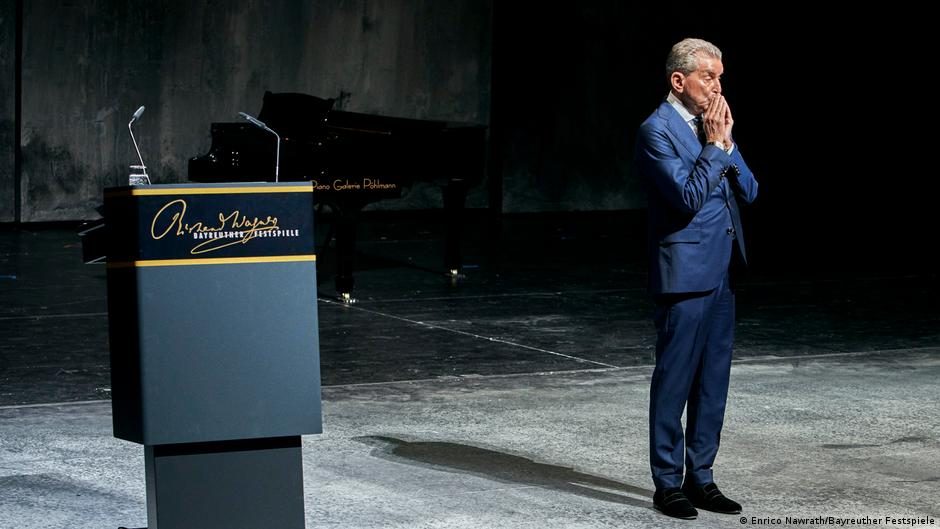
The 150th anniversary of the Bayreuth Festival opened with prominent political and cultural figures confronting the event's historical ties to the Nazi regime while issuing stark warnings about the current fragility of European democracy.
The Bayreuth Festival opened its 150th anniversary season with a direct confrontation of its historical complicity in Nazi atrocities and urgent warnings about the present state of German democracy. German-Jewish author Michel Friedman and festival director Katharina Wagner led the two-day commemoration, which included the premiere of the opera Rienzi, using the platform to address rising antisemitism and political extremism.
Friedman used his hour-long address to criticize what he termed a "bored, decadent democracy" and cautioned against the societal passivity that allows hatred to flourish. He emphasized that diversity "has once again become a concept that is under heavy attack", urging citizens to become active witnesses to their own time. For European observers, this highlights the ongoing struggle to protect democratic institutions from resurgent nationalist forces, a stability that remains foundational for the continent's broader economic and social cohesion.
Katharina Wagner explicitly addressed her family’s deep personal ties to the Nazi regime and the festival’s historical role as a cultural showcase for the Third Reich. She declared there is "no better place than this Festspielhaus to say: No" to forces seeking to normalize antisemitism, racism, and chauvinism. This marks a definitive shift in how the institution manages its legacy and engages with contemporary public life.
The anniversary drew high-profile political attendance, including German Chancellor Friedrich Merz and former Chancellor Angela Merkel. Merz noted that Richard Wagner’s work exemplifies the "contradictions of German intellectual history", blending the country's most admirable achievements with its darkest depths. His presence underscores how deeply intertwined cultural heritage remains with national identity and political discourse in Europe, shaping the public environment in which businesses and civic institutions operate.
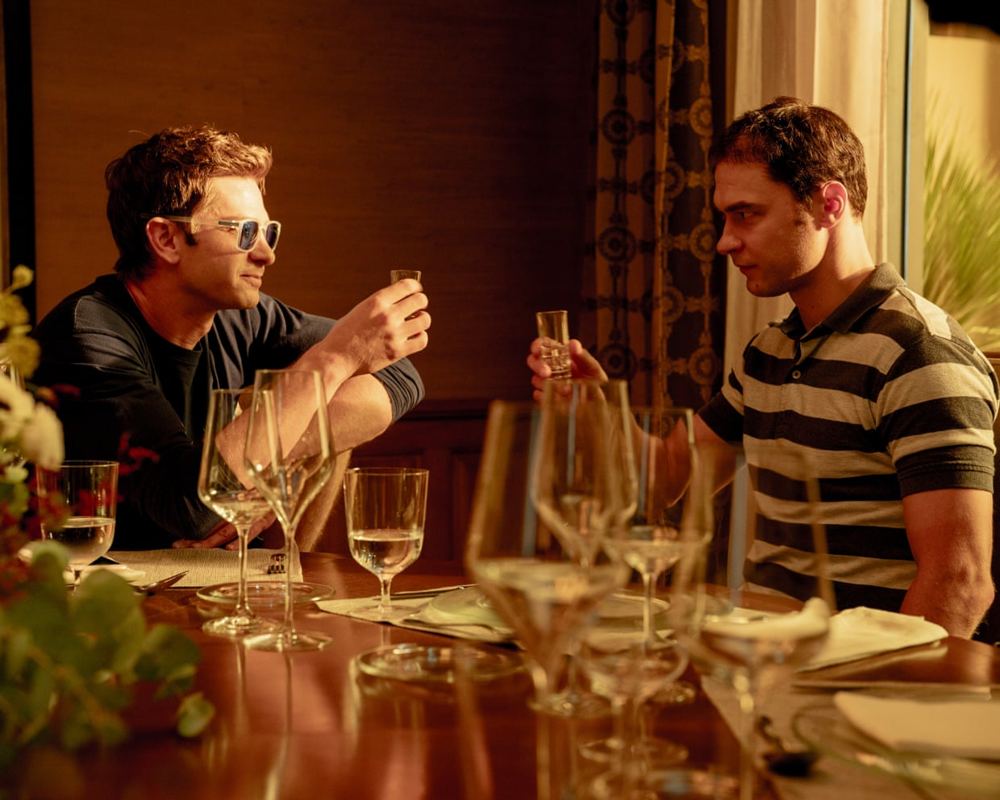
The festival grounds physically reflected this complex history through a new mural by Hungarian street artist Adam Heat inside the auditorium. The artwork depicts King Ludwig II funding the festival alongside historical figures, controversially including Adolf Hitler holding a small glass. Outside, gray memorial steles were placed beside Richard Wagner’s bust to honor Jewish artists murdered or oppressed under the Nazi regime.
Nike Wagner, the composer’s great-granddaughter, reminded attendees that sitting in the grand hall means joining a continuous historical "artistic ritual". By integrating these stark visual and verbal reckonings into its 150th anniversary, the Bayreuth Festival is attempting to transform its cultural remembrance into a broader societal defense of democratic values.