Yellowstone enforces afternoon fishing bans as river heat threatens trout populations
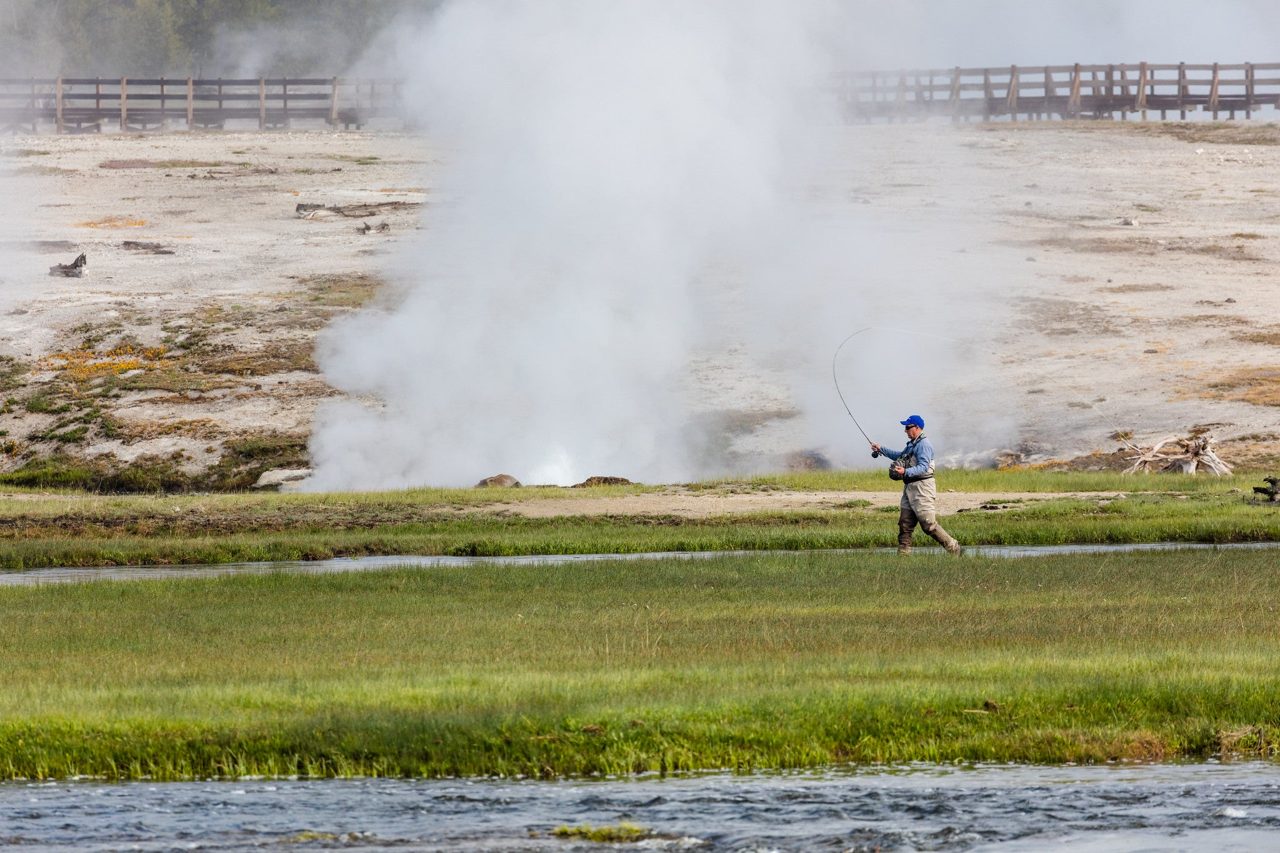
Yellowstone National Park has imposed strict daytime fishing closures due to lethal water temperatures, highlighting the growing economic and operational risks extreme heat poses to the global outdoor recreation industry.
Yellowstone National Park has implemented mandatory daily fishing closures across all its rivers and streams from 2 p.m. to sunrise, effective July 29, 2026. The restriction arrives as water temperatures consistently surpass 68°F (20°C), creating conditions that park officials warn are lethal to native trout populations.
The National Park Service noted that "peak water temperatures have ranged from 80 to 86 degrees Fahrenheit during the day. Coupled with high air temperatures, these conditions are lethal to trout, and there have been reports of dead fish..." These spikes are compounded by low stream flows and afternoon air temperatures forecast to hit 90°F, triggering immediate protective action.
While general park rivers remain open from sunrise until 2 p.m., the Firehole, Madison, and lower Gibbon rivers face complete 24-hour closures until conditions cool. Anglers are still permitted to fish in stillwaters, including Yellowstone Lake, from sunrise to sunset in accordance with the 2026 fishing regulations.
For the broader outdoor recreation sector, such climate-driven disruptions represent a mounting operational and financial risk. Nature-based tourism relies heavily on predictable environmental conditions, and heat-induced closures directly impact local guiding businesses, equipment retailers, and regional hospitality revenues. This volatility complicates long-term planning for companies dependent on summer adventure travel.
European markets and institutional investors are increasingly tracking these vulnerabilities, as similar heat stress affects alpine and riverine ecosystems across the continent. The Yellowstone restrictions serve as a stark indicator that extreme summer temperatures are no longer just an ecological concern. They are a material threat to the viability of seasonal tourism economies worldwide, demanding new adaptation strategies.
Park authorities are urging visitors who fish during the approved early morning hours to land catches quickly and keep them wet. Skipping extended photo opportunities is now advised to ensure fish survival when oxygen levels drop in warm water. Respecting these conservation measures is essential to maintaining the long-term viability of the park's natural resources.