Kneecap presses 2018 mixtape to vinyl as Irish-language act expands global reach

The Belfast trio’s decision to release their debut mixtape on physical media, alongside a US distribution deal and movie adaptation, highlights the growing commercial export of Irish-language culture.
The Irish-language hip-hop trio Kneecap will release their 2018 mixtape, 3CAG, on vinyl next month. The physical release of the record, which includes tracks such as C.E.A.R.T.A. and Your Sniffer Dogs Are Shite, marks a new commercial phase for the group.
“Our label boss Jeff [Barrett] has been hounding us to put it on vinyl and we gave in,” the band stated. The trio, comprising Naoise Ó Cairealláin, Liam Óg Ó hAnnaidh and JJ Ó Dochartaigh, originally described the project as “rudimentary as fuck but still bangers.”
The push for a physical product reflects the ongoing economic viability of vinyl for independent labels seeking to monetize dedicated fanbases. The original 2018 digital project was recorded in a Hawthorn Street attic and mastered in Dublin by Ciarán Byrne, who accepted a hole dug in his garden as payment.
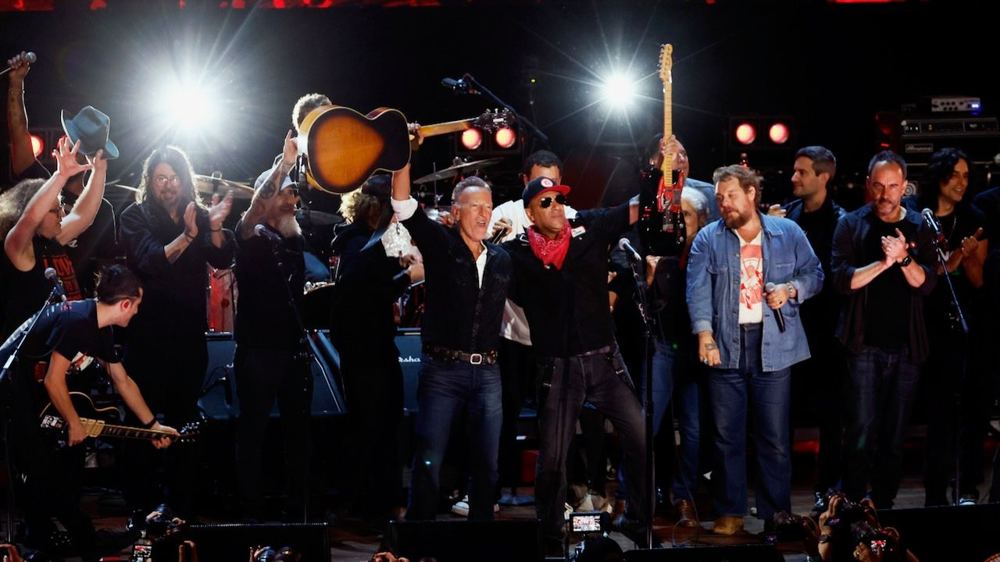
Beyond physical media, the band is expanding its international commercial footprint. Kneecap will feature on Unconquered, a track on the upcoming solo album by American guitarist Tom Morello. The album, Everyone Gets Everything They Want, is scheduled for release on September 25 through the US-based independent label Mom + Pop Music.
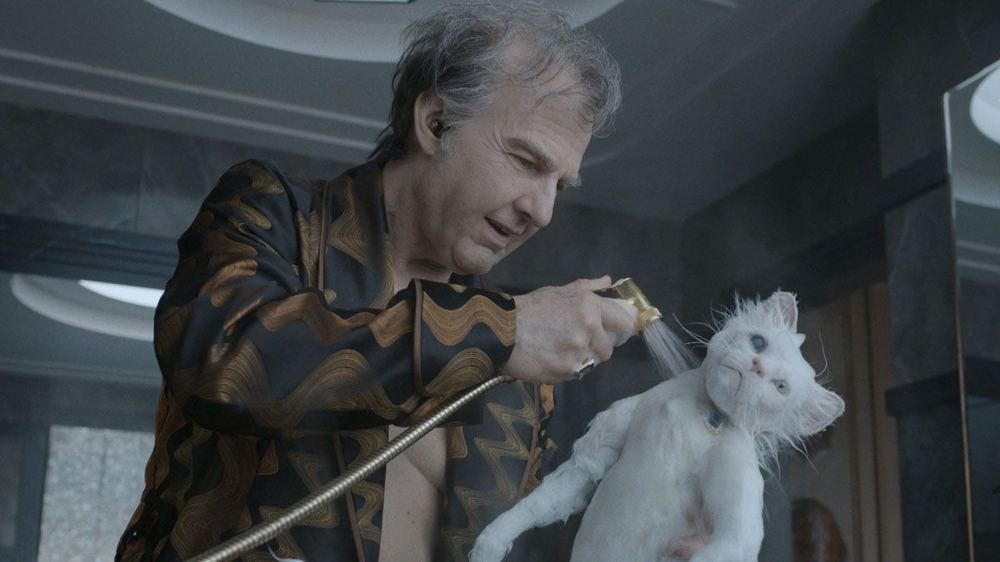
This collaboration, which also features Serj Tankian and Caleb Shomo, represents a strategic cross-border partnership that introduces Irish-language music to wider global rock and alternative markets. The band’s cultural narrative, which involves linguistic innovations and a fictionalized story of smuggling narcotics in West Béal Feirste and Free Derry, has already been adapted into a movie.
The transition from an underground digital mixtape to physical vinyl, international record distribution and cinematic intellectual property demonstrates a structured commercial evolution. It illustrates how regional cultural acts can leverage multimedia and global label networks to build sustainable economic models.