UK Prime Minister Andy Burnham pushes national care service to reform £18bn sector
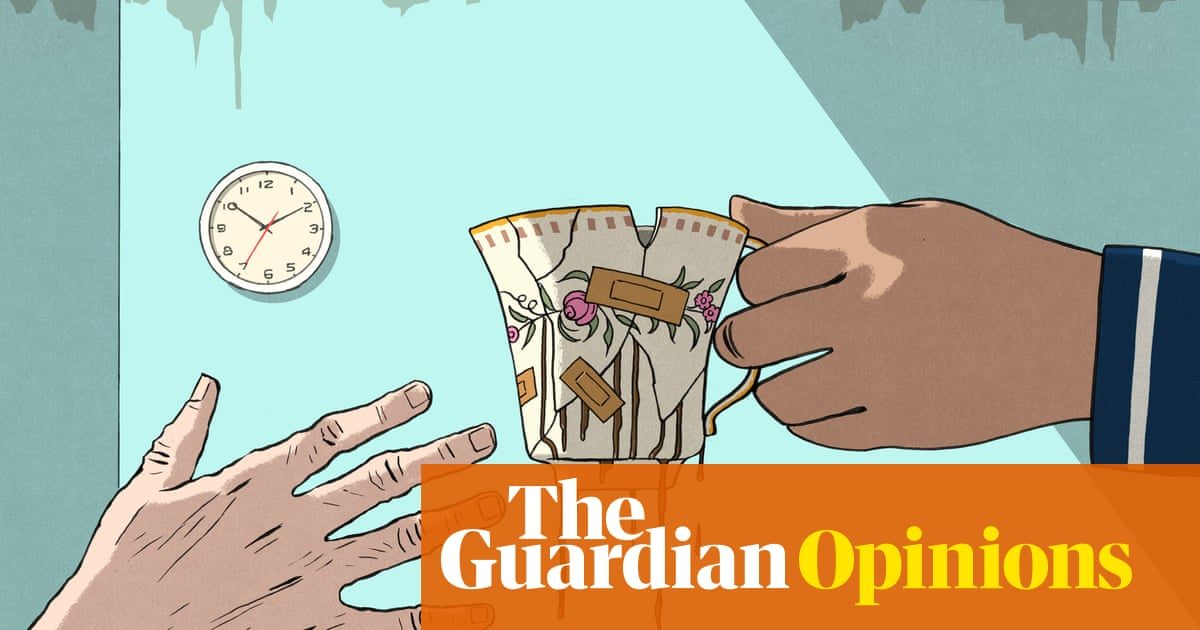
UK Prime Minister Andy Burnham is championing a national social care service to relieve local councils and restructure a heavily privatised sector, a move that will reshape public finances and impact private care operators across the country.
UK Prime Minister Andy Burnham has committed to establishing a national care service, tackling a policy area that has seen 22 major reviews over three decades. Speaking from a north London care home, he outlined a vision to integrate health and social care, aiming to resolve a systemic crisis that currently consumes 78 per cent of local council funds in England.
The proposed overhaul targets a heavily fragmented market of 16,500 care homes, of which 85 per cent operate for profit. Research indicates that for-profit facilities deliver lower quality care than voluntary or local authority-run services. By shifting away from a model rooted in 1980s privatisation, the government intends to curb the influence of private equity firms and redefine how care provision is funded.
A core component of the economic strategy involves standardising the workforce across both sectors. Currently, a starter NHS healthcare assistant earns more than a social care assistant, driving staff shortages. Burnham plans to integrate the two systems so that care workers share the same pay scales and career progression, a move that will significantly alter public sector wage bills.
Reform is also critical for the broader economy, as the current dysfunction creates a massive drain on National Health Service resources. Last month, approximately 13,600 NHS beds were occupied by patients awaiting social care, with delayed discharges costing the health service £2.7bn last year. Burnham warned the NHS could collapse without immediate repairs to the social care infrastructure.
Funding the transition remains the primary hurdle, with critics already pointing to an £18bn price tag. Previous attempts, such as a care levy under Boris Johnson that added 1.25 percentage points to national insurance, failed after being abolished by Kwasi Kwarteng. Burnham’s team must now design a funding mechanism that avoids placing the entire burden on young workers through payroll taxes.
The political debate will likely centre on intergenerational wealth, as pensioners hold the majority of property and final salary pensions. Burnham dismissed media attacks, stating, “You can’t create scare stories when people are already scared by what they’re seeing anyway through their own eyes in their own homes or in care homes.” He added a call for “a different kind of politics: problem-solving, not point-scoring” to overcome opposition.
To build public consensus, Louise Casey is leading a national conversation to educate citizens on the current system's realities. Currently, 33 per cent of people in England mistakenly believe care is free, while only 4 per cent rank it as a top national priority. Success depends on convincing a sceptical public and political opponents that the financial risks of the status quo are unsustainable.