US blocks imports of foreign humanoid robots and solar inverters citing security risks
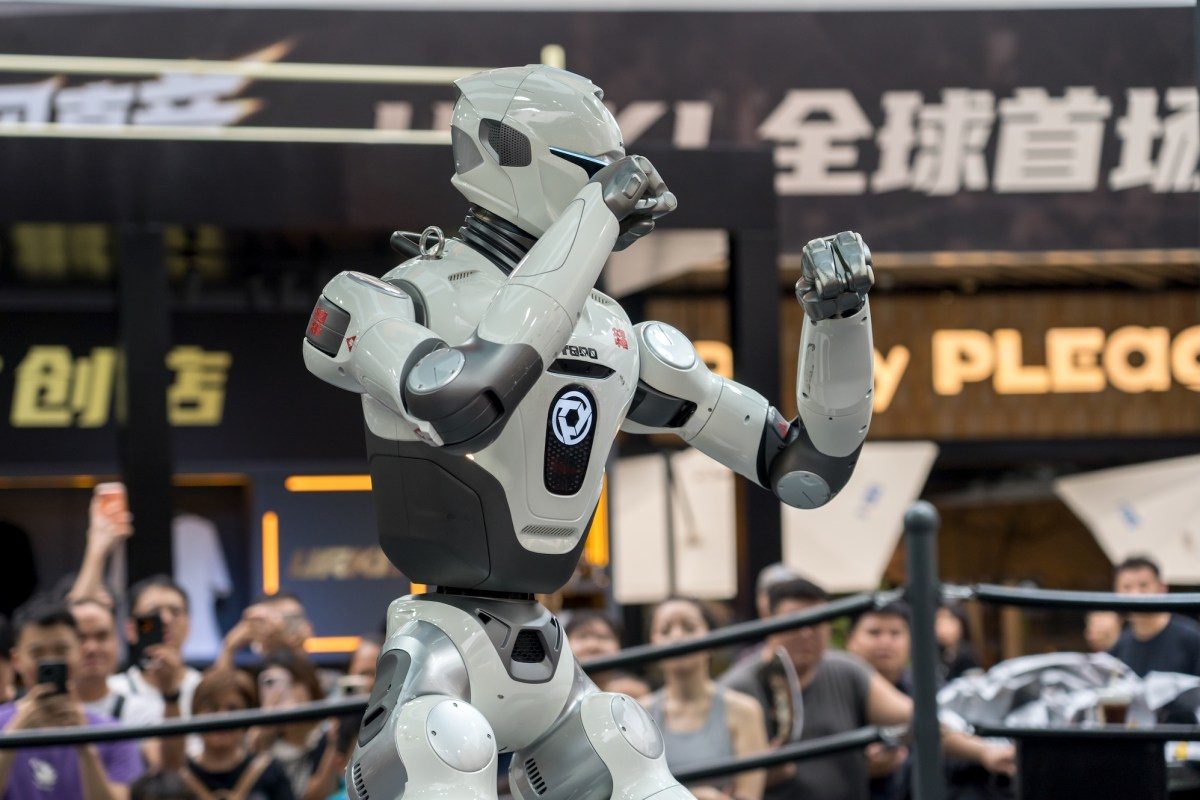
The US Federal Communications Commission has barred new imports of foreign-made humanoid robots and solar power inverters, a move that threatens to deepen global tech fragmentation and disrupt renewable energy supply chains.
The US Federal Communications Commission announced on Tuesday a ban on the import of new foreign-made humanoid robots, robot dogs, and power inverters. The agency cited an unacceptable national security threat, warning that overseas devices could be remotely controlled, exploited for surveillance, or weaponized in cyberattacks.
This restriction primarily targets Chinese manufacturers, which currently dominate the global market share for these technologies. The FCC noted that exceptions may be granted if the government determines a specific device poses no risk to US national security.
Washington has long alleged that Beijing hacks American businesses to steal data and prepares for future cyberattacks to advance military objectives, including a potential invasion of Taiwan. US officials argue that Chinese corporate ownership alone creates vulnerabilities, allowing the state to compel companies to spy on Americans or tamper with products remotely.
The robotics sector remains in its early stages, with approximately 15,000 humanoid robots shipped globally in 2025. China’s two largest robot makers accounted for the majority of those shipments, meaning the ban will severely restrict their access to the American market.
The inclusion of power inverters carries immediate implications for the renewable energy sector. These devices are widely used in American households to connect solar systems to the broader power grid, though the FCC clarified that existing installations remain unaffected by the new rule.
This policy represents the latest escalation in Washington’s broader campaign to restrict Chinese technology. Previous measures include forcing the sale of TikTok to US investors, banning various foreign-made consumer routers, and blacklisting surveillance equipment manufacturers Hikvision and Dahua over human rights concerns.
Beijing swiftly rejected the FCC’s decision, with a Foreign Ministry spokesperson stating that China will employ all measures necessary to protect its businesses. The dispute adds tension ahead of a planned state visit in September, where Chinese President Xi Jinping is expected to meet President Donald Trump in Washington, D.C.
For European markets and investors, this widening transatlantic tech decoupling signals growing supply chain fragmentation. Companies operating in renewable energy and advanced robotics must now navigate an increasingly bifurcated global landscape, where geopolitical alignment dictates market access.