Outdoor Brands Push Maintenance and Recycling for Climbing Footwear
Manufacturers and niche companies are addressing the persistent odor and durability issues of climbing shoes through specialized care products and circular economy initiatives.
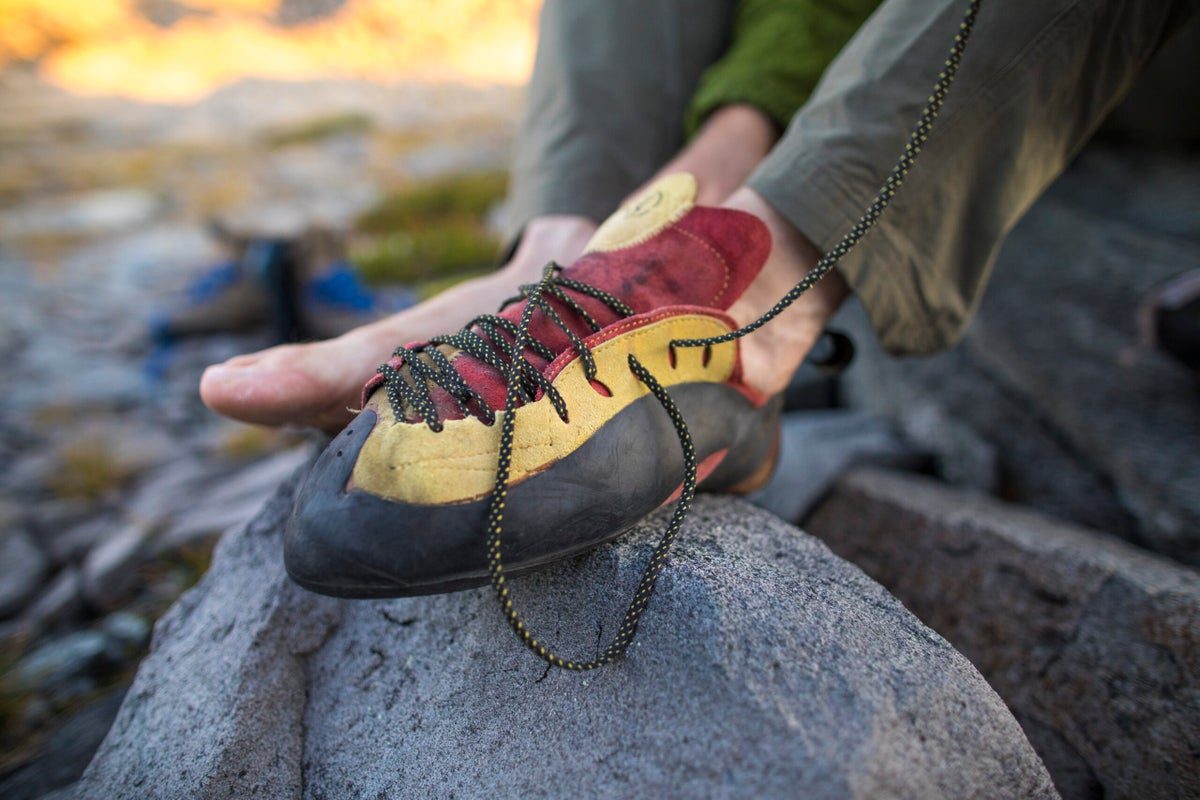
The outdoor footwear sector is addressing the pervasive issue of climbing shoe odor through specialized maintenance products and structured recycling initiatives. The intentionally tight, non-breathable design of these shoes, frequently worn without socks, creates significant hygiene challenges for consumers.
This persistent problem has catalyzed a niche market for dedicated maintenance products. Companies are capturing consumer spend with solutions like On Your Toes foot powder, which claims to eliminate odors for up to six months, and moisture-absorbing inserts. Co-designed by a climbing instructor, these "boot banana" inserts use minerals, salts, and essential oils, turning brown to signal when replacement is necessary and driving repeat purchases.
For established manufacturers, improper consumer care poses a direct threat to product integrity. Scarpa explicitly cautions users against machine-washing their footwear, warning that it causes material damage. The brand emphasizes that shoes must be washed by hand to preserve their materials.
This places an ongoing burden on companies to educate consumers on proper air-drying and the use of mild vinegar solutions. Such guidance helps users avoid premature product failure or corrosive damage from harsher chemicals like hydrogen peroxide.
The end-of-life phase of this gear is also drawing attention from sustainability-focused enterprises. When maintenance fails, third-party services are steering consumers away from traditional waste streams. Programs like the GotSneakers shoe recycling initiative and the Trashie Bag system offer structured recycling pathways for old climbing shoes and apparel.
While some consumers rely on DIY methods like baking soda or essential oil sprays, this market gap highlights an opportunity for brands to integrate aftermarket solutions directly into their business models. The lifecycle of climbing footwear now illustrates a broader industry challenge, balancing performance-driven design with maintainability and environmental responsibility.