Rising prices and tourist crowds reshape Florence dining economy
A surge in tourist demand and rising costs are bifurcating Florence’s restaurant sector, pushing young chefs to cheaper outlying neighborhoods while the city center fills with high-turnover eateries.
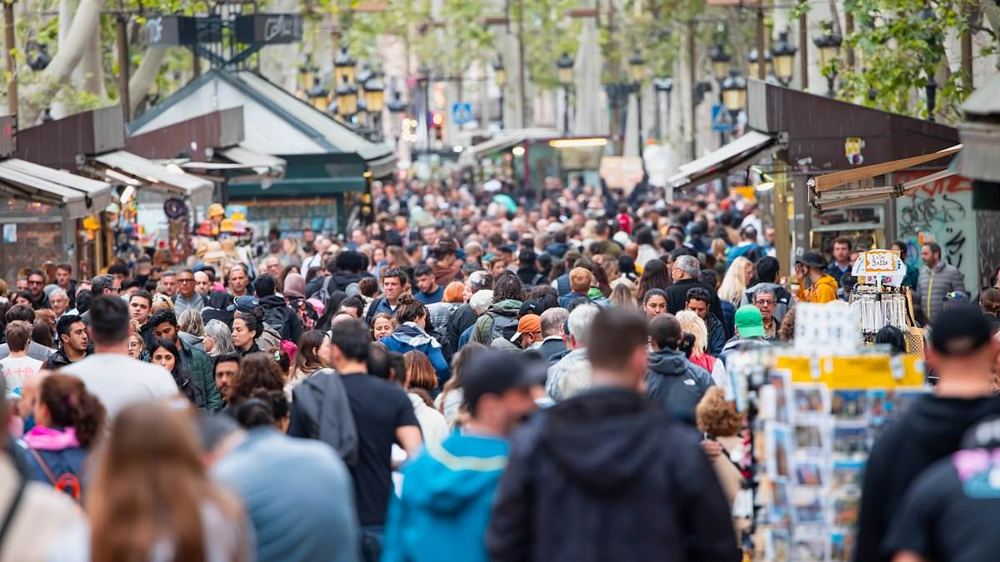
Florence’s dining sector is undergoing a structural shift as relentless tourist demand drives up prices and alters the types of establishments opening in the city center. A flood of new restaurants catering to visitors, often featuring multi-language menus and variable quality, has saturated the historic core. This makes it increasingly difficult for independent operators to compete on prime real estate, particularly as visitor numbers show little sign of letting up.
The economic pressure is pushing culinary start-ups and young chefs toward outlying neighborhoods like Le Cure and Gavinana. These areas offer significantly lower rents and a predominantly local clientèle, providing a more sustainable business model away from the volatile tourist trade. At the same time, baseline prices are rising across the board. A basic three-course dinner in a neighborhood trattoria now routinely exceeds $45 before the addition of wine.
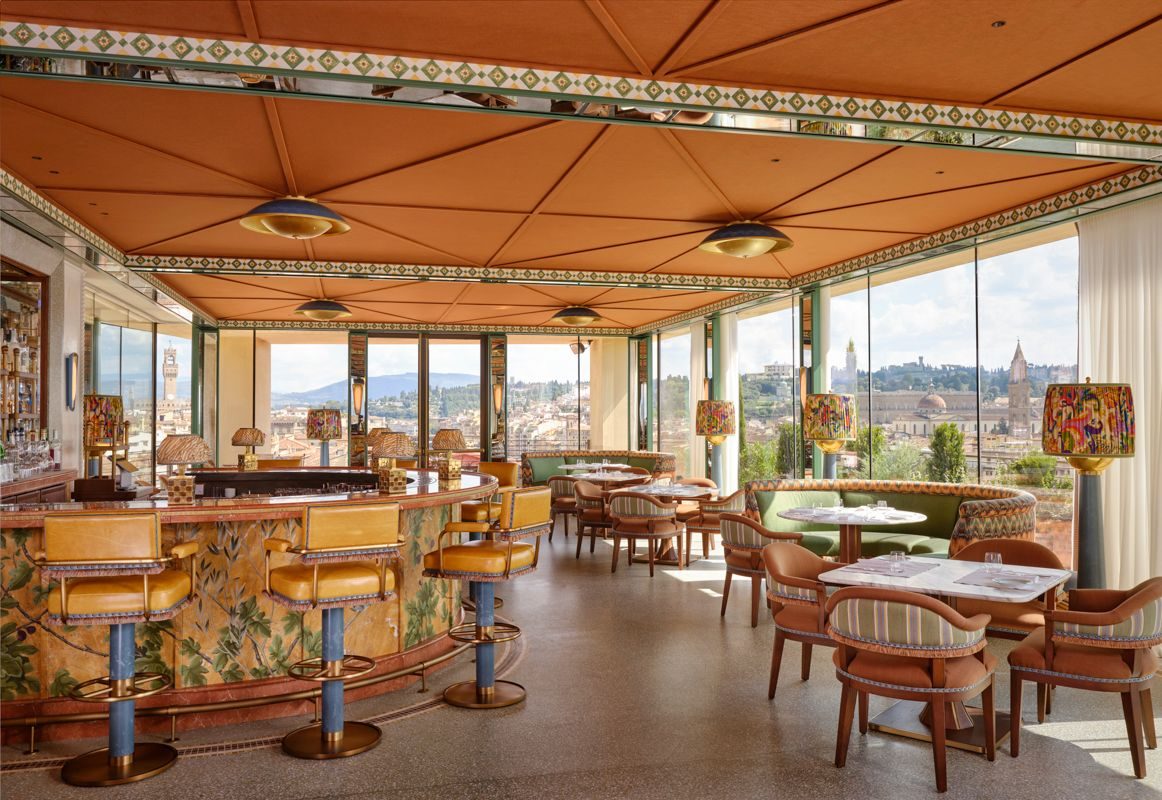
Simultaneously, the city is experiencing an expansion in high-end fine dining aimed at affluent visitors. Chefs like Simone Caponnetto are targeting the luxury market with technically accomplished, multi-course menus rooted in local seasonal produce. At Caponnetto's Centro Storico restaurant, four-course tasting menus start at 120 euros. À la carte options begin at 90 euros for two courses, while curated wine flights start at 70 euros.
The geographic shift toward peripheral neighborhoods is already yielding notable new ventures. In Gavinana, a Japanese fusion micro-restaurant that opened in 2025 has built a loyal local following. The establishment sources produce locally wherever possible and makes breads, noodles, and sauces entirely in-house. Such agile start-ups represent a growing segment of the market that relies on local demand and lower overhead rather than foot traffic from tourist landmarks.
Other operators are differentiating themselves through specialized inventory to capture high-margin spending. An intimate wine bar in the Oltrarno district stocks a vast, carefully curated list of Tuscan and Piemonte reds, including bottles dating back to the 1950s, 1960s, and 1970s that cannot be found elsewhere in the city. The food is designed specifically to complement these rare wines, with pairings like prosciutto crudo with truffled gorgonzola.
For consumers and investors alike, the message is clear: the era of easily finding affordable, high-quality food in the city center without prior planning is ending. Reservations are now essential for even simple neighborhood spots, particularly at dinner. As Florence’s tourism economy continues to expand, its food sector is effectively splitting into distinct markets, mass-market tourist catering in the center, and specialized, higher-margin dining on the periphery.