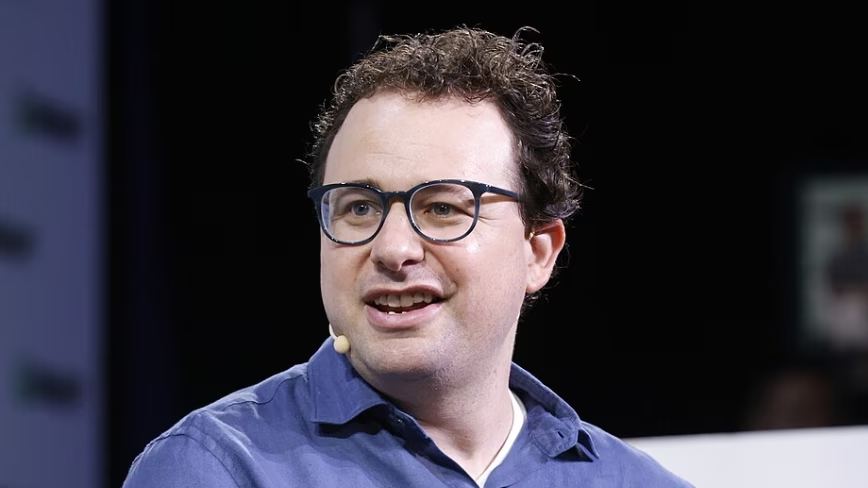
OpenAI rehires Lilian Weng to lead recursive self-improvement research
Lilian Weng’s departure from Thinking Machines to rejoin OpenAI highlights the intense consolidation of top artificial intelligence talent and the escalating race to develop self-improving systems.
Lilian Weng has stepped down from her position as a co-founder of Thinking Machines and is returning to OpenAI. The artificial intelligence laboratory confirmed that she will lead a newly formed, top-level team dedicated to accelerating its internal research capabilities.
A company spokesperson stated this specialized group will drive cross-functional efforts in recursive self-improvement. This specific methodology aims to enable an artificial intelligence system to continuously iterate on its own architecture to achieve greater computational power.
Weng initially announced her departure from Thinking Machines earlier this week, attributing her exit to health issues. In an internal Slack message that she subsequently shared on the social platform X, she explained her decision to step away from the daily demands of the startup. She added that the relentless pressure and heavy workload had exceeded her physical limits.
Weng noted she had considered the situation for several months before concluding she could not maintain the speed required by a new venture. Returning immediately to a major laboratory might seem at odds with her stated need to avoid intense startup environments. Yet, she will likely experience less direct operational friction at an established corporation where she does not hold a co-founder title.
Mira Murati, a Thinking Machines co-founder and former OpenAI chief technology officer, publicly backed the decision to prioritize personal well-being. In her response on X, Murati expressed that she was glad Weng was putting her health first and thanked her for their time building the company together. Whether Murati knew about the OpenAI transition at the time of her message remains unknown.
This executive movement underscores a critical dynamic within the technology sector, particularly given the intense rivalry among artificial intelligence laboratories to recruit elite personnel. For European investors and technology policymakers, this personnel shift highlights the severe bottleneck in top-tier research talent. As global laboratories compete fiercely for these individuals, the concentration of expertise at a few dominant firms complicates efforts by European companies to build competitive domestic alternatives.