Kyiv braces for Russian strike amid Patriot missile shortage
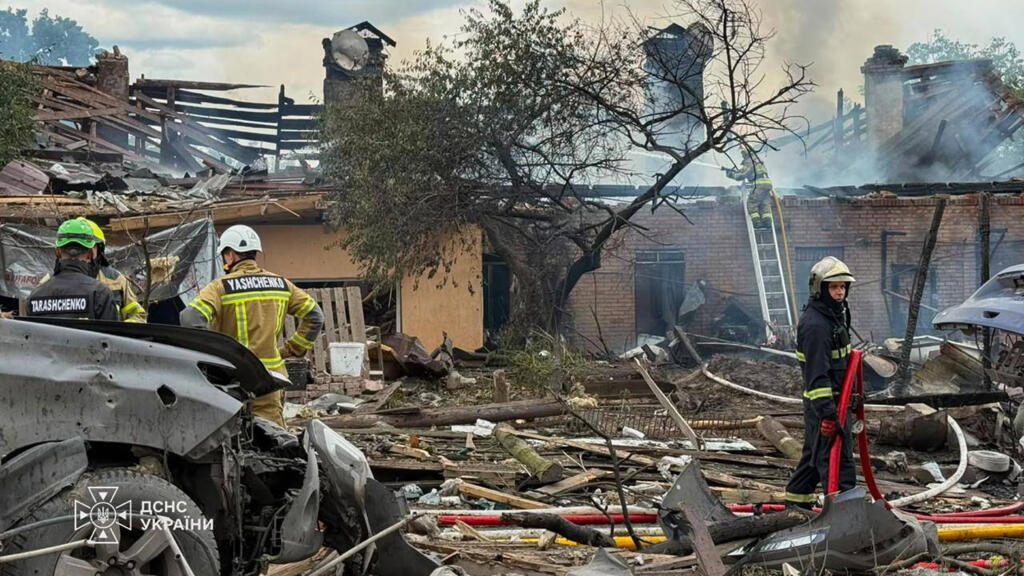
President Volodymyr Zelensky has warned of an imminent major Russian missile strike, highlighting a critical shortage of Patriot interceptors that leaves Ukraine's infrastructure vulnerable and strains European defence supplies.
Volodymyr Zelensky warned on Wednesday that Russia is prepared to launch a massive attack on Ukraine overnight. "The Russians prepared a massive attack several days ago, and there is a high probability that the strike will be carried out tonight," the Ukrainian president said on X. He urged citizens across all regions to heed air raid alerts and prioritise safety.
The imminent threat highlights a severe and worsening gap in Ukraine’s air defence capabilities, with direct ramifications for European security. Russia has recently increased its deployment of ballistic missiles. These weapons travel at such speeds and trajectories that only American Patriot systems are capable of shooting them down.
Despite the critical need, Kyiv is facing a desperate shortage of the PAC-3 interceptor missiles required to operate these batteries. This deficit is not occurring in a vacuum. The availability of Patriot munitions has tightened significantly since February, when a war launched by the United States and Israel against Iran placed additional demands on global air defence stockpiles.
For European governments and businesses, this bottleneck illustrates the fragility of the transatlantic defence supply chain. Many European nations rely on Patriot systems to shield population centres, energy grids, and industrial hubs. When global conflicts drain allied inventories, the ability to defend critical economic infrastructure on the continent comes under strain.
To address the immediate shortfall, Zelensky is actively lobbying allies for additional Patriot interceptor transfers. He is also pushing to reshape the defence industrial base. During a meeting with Donald Trump at the White House on Tuesday, the two leaders discussed the possibility of Ukraine producing Patriot interceptors domestically.
This follows an indication from Trump in early July that he would allow Ukraine to manufacture these surface-to-air missiles. Establishing local production would mark a major shift in the deployment of advanced Western military technology. Until such manufacturing capacity becomes operational, however, Ukraine remains dependent on a limited and contested pool of allied interceptors, leaving its territory and surrounding European markets vulnerable to prolonged missile campaigns.