UK allocates £8.4bn to nuclear submarine programme supporting 47,000 jobs
Prime Minister Andy Burnham has confirmed an £8.4bn investment in the UK’s nuclear submarine programme, linking national security to regional job creation as the government navigates ambitious defence spending targets.
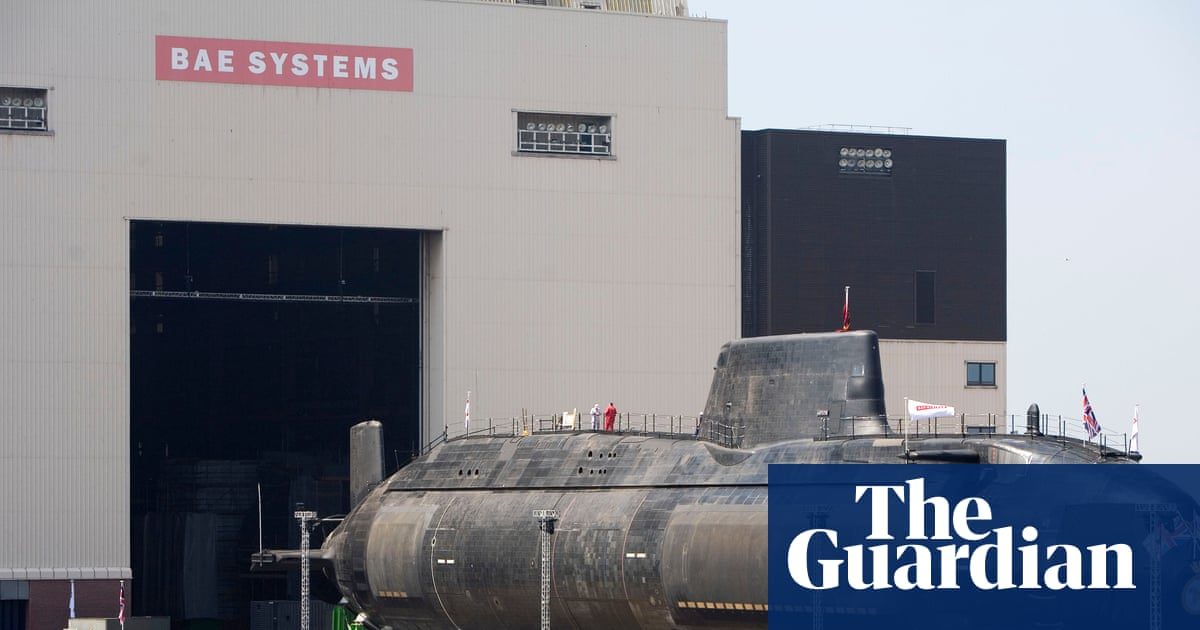
Prime Minister Andy Burnham has confirmed an £8.4bn investment in the UK’s nuclear submarine programme, marking the start of the project’s fourth phase. The funding is directed toward the construction of four new Dreadnought-class vessels in Barrow-in-Furness.
The government states this defence spending currently supports approximately 47,000 British jobs. That figure is forecast to rise to 65,000 by 2030, including a target of 22,000 apprenticeships by 2035.
Burnham framed the expenditure as both a security imperative and an economic catalyst for regions historically neglected by investment. "Security is not only about what we build, it is about who builds it, and who benefits from it," he said ahead of his visit to the shipyard.
This allocation is part of a broader £63.6bn Defence Investment Plan for the Defence Nuclear Enterprise over the next four years. The plan was originally published during the final days of Sir Keir Starmer’s government.
The bulk of that wider funding, £47bn, will maintain existing nuclear submarines and continue Dreadnought development. It will also fund early work on future replacements, construct additional vessels, and upgrade naval docks and manufacturing facilities.
The investment arrives as Burnham and Chancellor John Healey face the complex task of financing the UK’s pledge to meet a Nato target of spending 3.5 per cent of national income by 2035. Conservative shadow defence secretary James Cartlidge welcomed the programme’s progress but accused the prime minister of failing to commit to fully funding defence.
Beyond shipbuilding, the government intends to tie defence contracts to broader social outcomes. Burnham announced that public procurement processes will favour companies offering 45-day work placements to young people not in employment, education or training.
He cited his tenure as Greater Manchester mayor as inspiration for weighting social value in public contracts. However, the announcement provided little detail on how these changes will be implemented or how many firms will be required to roll out the placements.
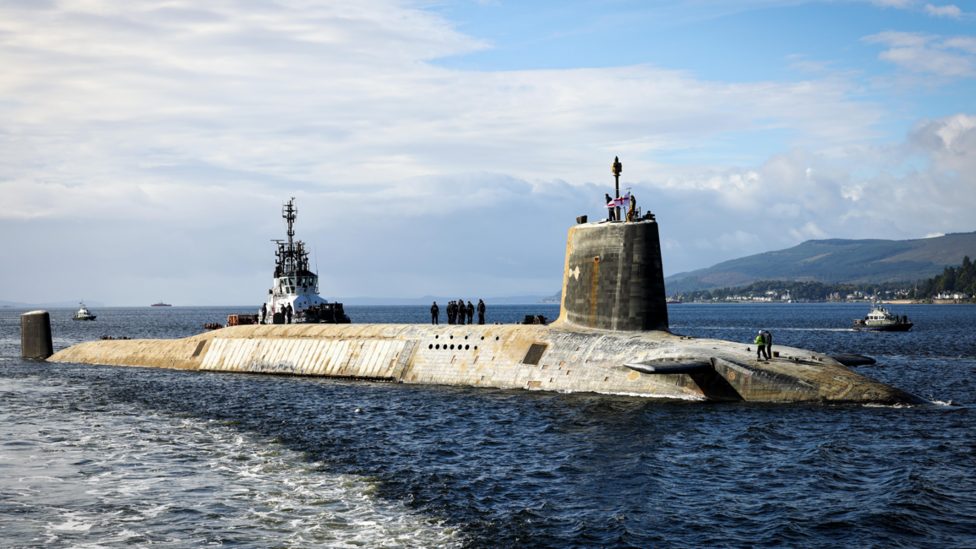
The Dreadnought-class project will replace the UK’s four Vanguard-class vessels, which have carried Trident missiles since 1992 and are due for retirement in the 2030s. The initiative has taken two decades to reach this stage, having been first announced by Tony Blair in 2006 and formally approved by MPs in 2016.