Prolonged summer heat drives spread of infectious diseases in Europe
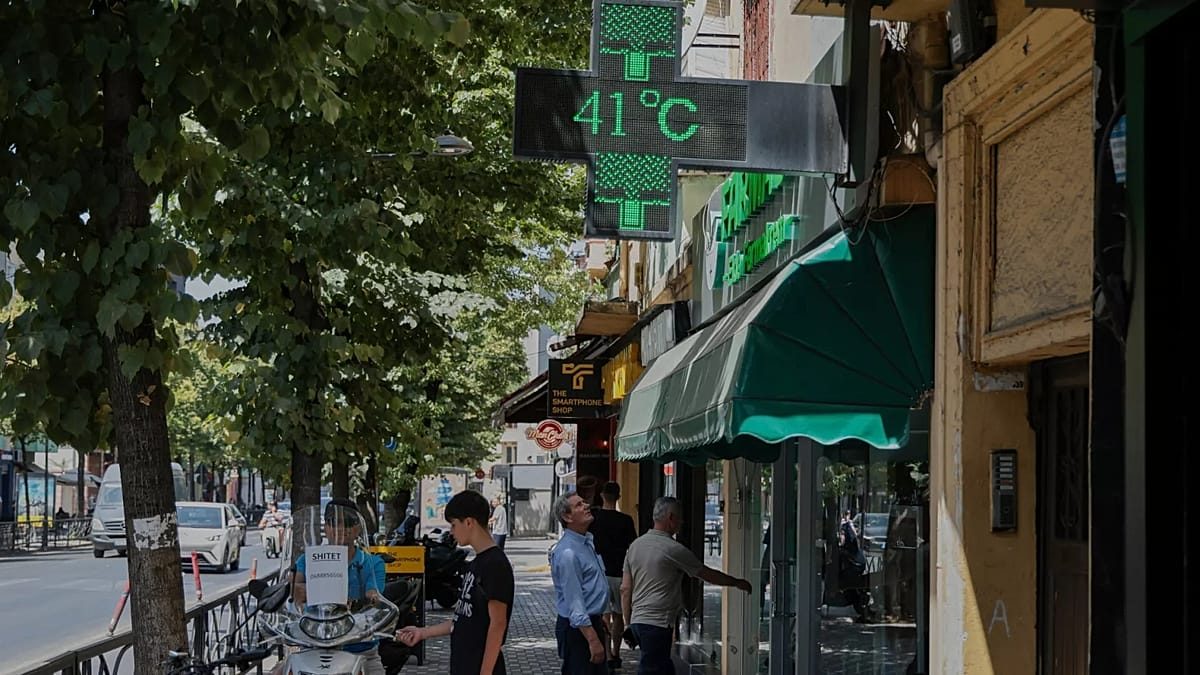
The European Centre for Disease Prevention and Control has warned that increasingly long and hot summers are expanding the range of pathogens across the continent, forcing a shift toward long-term cross-sectoral cooperation to protect public health.
Prolonged summer heat is fundamentally altering the disease landscape across Europe, the European Centre for Disease Prevention and Control (ECDC) has warned. The agency stressed that the primary driver of this risk is not isolated weather events, but a steady rise in baseline temperatures over longer seasons. “While the current heatwaves are making headlines, it is the continuously higher temperatures of an ever longer duration that create the conditions for many infections to spread,” the health agency said.
This shifting climate baseline creates significant structural challenges for European public health systems and cross-border coordination. As climate change widens the range of these threats, the ECDC cautioned that reactive measures are no longer sufficient. The agency called for long-term strategic collaboration across human, environmental, and animal sectors to predict and manage outbreaks that increasingly ignore national borders.
Mosquito-borne illnesses represent a rapidly expanding threat to the region. Longer, humid seasons are allowing invasive mosquito species to establish themselves in areas where they were previously rare or entirely absent. The World Health Organization has already documented cases of West Nile virus this year in Greece, Italy, North Macedonia, Romania, and Spain, with the transmission season peaking between July and September. Diseases such as dengue and chikungunya are also becoming growing public health concerns.
The warming climate is simultaneously driving up foodborne and waterborne infections. Higher temperatures accelerate bacterial growth in food, making summer illnesses more frequent even when contaminated products show no obvious signs of spoilage. Furthermore, Vibrio bacteria, species that thrive in warm, moderately salty waters, are causing vibriosis outbreaks in Northern Europe. Several countries bordering the Baltic Sea have reported rising infection rates specifically during summers with extended heatwaves.
Ticks present a third vector of concern across the continent, transmitting bacteria and viruses that cause Lyme disease and tick-borne encephalitis. The European region reports an average of 3